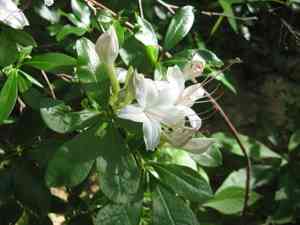
Sweet azalea (Rhododendron arborescens)
Also known as: Smooth Azalea, Sweet Azalea
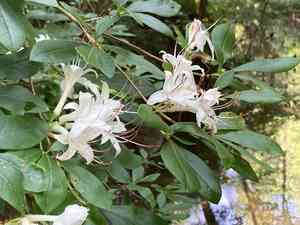
Sweet Azalea (Rhododendron arborescens) is a perennial shrub that typically reaches heights of 1.5 to 1.8 meters (about 5 to 6 feet). It blooms in late spring to early summer, showcasing fragrant, white, lily-like flowers that attract butterflies and hummingbirds. The plant's foliage transforms from green to a striking reddish-purple in the fall. It thrives in full sun to partial shade and prefers moist, humus-rich soil.
Attributes of Sweet azalea
Images of Sweet azalea
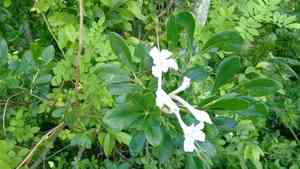
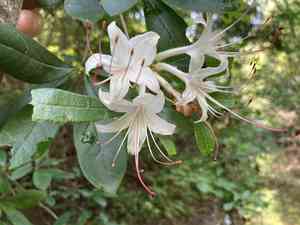
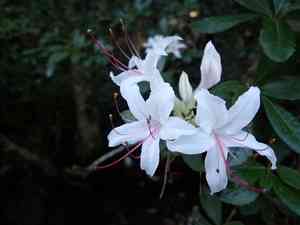
Quickly Identify Sweet azalea
Scientific Classification of Sweet azalea
Planting and Growing of Sweet azalea
 How to Water Sweet azalea?
 What Are the Sunlight Requirements for Sweet azalea?
 What Is the Ideal Temperature Range for Sweet azalea?
 What Soil is Best for Sweet azalea?
 How to Fertilize Sweet azalea?
 How to Prune Sweet azalea?
 How to Propagate Sweet azalea plant?
 How to Repot Sweet azalea plant?
Toxicity of Sweet azalea
Is Sweet azalea toxic to humans?
Sweet azalea, a widely cherished ornamental plant found in various gardens, is exceedingly toxic and may lead to fatal outcomes if ingested. The threat of children experiencing poisoning from the plant's vividly colored blossoms is notably high. This plant encompasses the potent toxin andromedotoxin within all of its parts. Following consumption, individuals may exhibit symptoms such as watery eyes and nasal discharge, excessive salivation, fatigue, depressive states, nausea, vomiting, diarrhea, and, in severe cases, progressive paralysis of the limbs, potentially culminating in coma. Additionally, honey derived from sweet azalea blooms can pose poisoning risks, heightening concerns about unintentional toxic exposure.



