
Mountain azalea (Rhododendron canescens)
Also known as: Hoary azalea, Honeysuckle azalea, Florida pinxter, Pinxter flower, Florida honeysuckle
Mountain azalea (Rhododendron canescens), also known as piedmont azalea, is indigenous to the southeastern United States. This species thrives in well-drained, fine-textured soils and is noted for its slow growth.
Attributes of Mountain azalea
Images of Mountain azalea
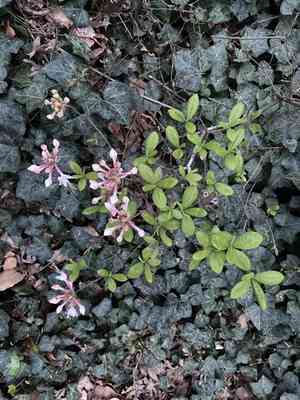
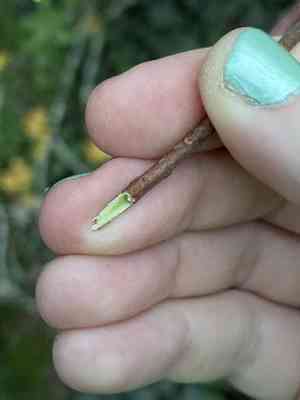
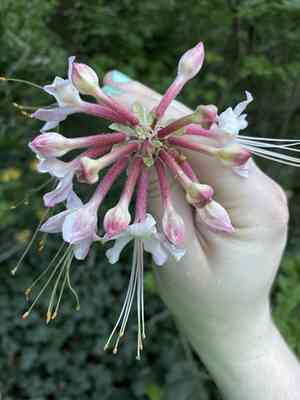
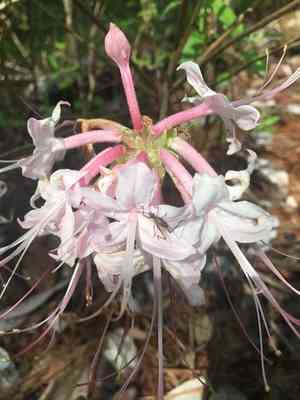
Quickly Identify Mountain azalea
Scientific Classification of Mountain azalea
Planting and Growing of Mountain azalea
 How to Water Mountain azalea?
 What Are the Sunlight Requirements for Mountain azalea?
 What Is the Ideal Temperature Range for Mountain azalea?
 What Soil is Best for Mountain azalea?
 How to Fertilize Mountain azalea?
 How to Prune Mountain azalea?
 How to Propagate Mountain azalea plant?
 How to Repot Mountain azalea plant?
Toxicity of Mountain azalea
Is Mountain azalea toxic to cat?
The mountain azalea represents a significant risk to feline health. Ingesting any portion of this plant can lead to severe poisoning in cats. Symptoms indicative of its potent toxicity may manifest as physical distress and various signs of illness, necessitating urgent medical intervention. Should ingestion be suspected, it is essential for cat owners to respond promptly and contact a veterinarian without delay to secure the most favorable outcome for their pet.
Is Mountain azalea toxic to dog?
The species known as mountain azalea presents a significant toxicity risk to dogs. If a dog consumes any component of this plant, it can result in severe health issues. Every part of the plant, including its leaves, flowers, stems, and roots, is poisonous when ingested by dogs. Typically, poisoning occurs through the ingestion of mountain azalea. Dogs that have ingested parts of this plant may show signs such as gastrointestinal distress, weakness, irregular heart rate, tremors, and potentially life-threatening conditions. It is essential for dog owners to be alert and safeguard their pets from accessing or chewing on mountain azalea. Should there be any suspicion of a dog being poisoned by this plant, immediate veterinary assistance is vital to ensure the highest chance of recovery.



