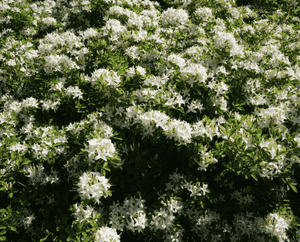
Swamp Azalea (Rhododendron viscosum)
Also known as: Swamp Honeysuckle, Azalea Viscosa
Rhododendron viscosum, commonly called Swamp Azalea, is a deciduous shrub from the eastern United States that draws in hummingbirds and butterflies. Typically reaching heights of up to 2.5 meters, it thrives in woodland gardens, rain gardens, and shrub borders, favoring partial shade.
Attributes of Swamp Azalea
Images of Swamp Azalea
Quickly Identify Swamp Azalea
Scientific Classification of Swamp Azalea
Planting and Growing of Swamp Azalea
 How to Water Swamp Azalea?
 What Are the Sunlight Requirements for Swamp Azalea?
 What Is the Ideal Temperature Range for Swamp Azalea?
 What Soil is Best for Swamp Azalea?
 How to Fertilize Swamp Azalea?
 How to Prune Swamp Azalea?
 How to Propagate Swamp Azalea plant?
 How to Repot Swamp Azalea plant?
Toxicity of Swamp Azalea
Is Swamp Azalea toxic to humans?
Swamp Azalea belongs to the *Rhododendron* genus, which is characterized by the presence of varying concentrations of Grayanotoxin, a potent toxin found in all its tissues. Individuals who come into physical contact with the plant may experience rashes, particularly those who are sensitive. The pollen from this plant can provoke irritation in mucous membranes, and ingestion may lead to symptoms including nausea, vomiting, arrhythmia, hypotension, and even hallucinations in humans. Among the different varieties, Swamp Azalea is identified as one of the most toxic, and it is crucial to ensure that children are kept away from it at all times. Grayanotoxin's potency is such that honey derived from *Rhododendron* pollen may also pose harmful effects due to its potency.
Is Swamp Azalea toxic to cat?
Swamp Azalea is known to be toxic to felines. If a cat consumes any portion of this plant, it might encounter various health issues since every part of the swamp Azalea is harmful. There is a considerable risk if a cat unintentionally eats parts of this plant. Cats that are affected may exhibit signs of discomfort, illness, or pain. In light of the lack of detailed information regarding the specific toxic compounds in the plant, it is crucial to monitor for visible signs of distress in cats. If ingestion is suspected, cat owners should promptly seek veterinary assistance to manage the potential toxicity.
Is Swamp Azalea toxic to dog?
Swamp Azalea is recognized as a poisonous species for dogs. If a dog accidentally ingests any part of the swamp Azalea, it faces a considerable risk of toxicity. Every part of the plant, including its leaves, flowers, and stems, harbors toxic compounds that can provoke negative health reactions in dogs. Signs of poisoning may manifest as gastrointestinal disturbances, lethargy, irregular heart rhythms, hypotension (reduced blood pressure), and in critical situations, it could escalate to coma or death. It is essential for dog owners to vigilantly oversee their pets and restrict access to swamp Azalea. Should there be any suspicion that a dog has consumed any portion of swamp Azalea, prompt veterinary assistance is vital for achieving the most favorable outcome.



