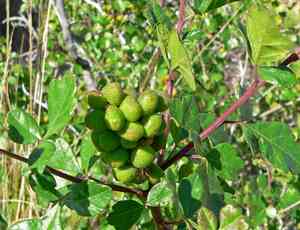
Skunk-bush sumac (Rhus trilobata)
Also known as: Skunkbush
The skunkbush sumac (Rhus trilobata) is known for its pungent-smelling leaves. Its berries serve as a winter food source for various animals and birds, which also use the plant for shelter. Additionally, the plant's flexible branches are ideal for basket weaving.
In This Article
Attributes of Skunk-bush sumac
Lifespan
Perennial
Plant Type
Tree
Plant Height
61 cm to 91 cm
Spread
90 cm to 2.5 m
Leaf Color
Green Red Orange
Flower Size
2.5 cm
Flower Color
Yellow Green
Images of Skunk-bush sumac
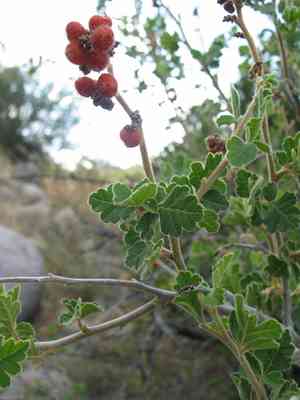
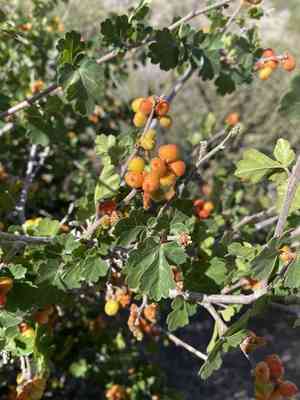
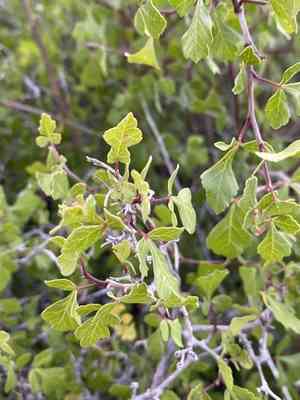
Quickly Identify Skunk-bush sumac
1
Low, spreading growth up to 3-6 feet (1-2 meters) tall.
2
Three-lobed leaves with rough texture, shifting to vibrant autumn colors.
3
Small, inconspicuous flowers in clusters during early spring.
4
Crimson berries with sticky texture, clustered in small bunches.
5
Fuzzy, reddish-brown stems with intricate branching pattern.
Scientific Classification of Skunk-bush sumac
Phylum
Vascular plants
Class
Dicotyledons
Order
Sapindales
Family
Cashew
Genus
Sumacs
Species
Skunk-bush sumac
Planting and Growing of Skunk-bush sumac
Care Difficulty
Easy
Watering Schedule
Every 2 days
Sunlight Requirements
Full sun
Sunshine Duration
4-6 hours
Ideal Temperature
60-75℉
Soil Type
Potting Mix, Peat Mix
Soil pH
6.5-7.5
Fertilizer Type
Balanced
Pruning Season
Spring, Summer
Pruning Area
Branches, Leaves
Pruning Frequency
2 times a year
Repotting Season
Spring
Pot Type
Ceramic, Plastic
 How to Water Skunk-bush sumac?
When watering Rhus trilobata, it is essential to provide approximately 500 milliliters of water per session. This ensures that the soil is adequately moist but not waterlogged, allowing the roots to absorb the necessary moisture without drowning.
What are the symptoms of an underwatered Skunk-bush sumac?
›
What should I do if my Skunk-bush sumac is not getting enough water?
›
What are the symptoms of an overwatered Skunk-bush sumac?
›
How to save an overwatered Skunk-bush sumac?
›
 What Are the Sunlight Requirements for Skunk-bush sumac?
The ideal light range for Rhus trilobata includes full sun to partial sun exposure. Consistent light within this range ensures photosynthetic efficiency, fostering lush foliage and robust, resilient plant health.
More About Sunlight Requirements Techniques→
What is the best type of sunlight for Rhus trilobata?
›
Is it okay for Rhus trilobata to be under partial sun?
›
How to achieve ideal lighting conditions?
›
 What Is the Ideal Temperature Range for Skunk-bush sumac?
A consistent temperature range between 60°F and 75°F is crucial for Rhus trilobata as it ensures optimal metabolic processes and growth. This range mimics its natural habitat, facilitating proper photosynthesis and nutrient uptake.
 What Soil is Best for Skunk-bush sumac?
Rhus trilobata thrives in well-drained soils that prevent root rot and nutrient stagnation. Ensuring good drainage promotes healthy root systems and increases the plant's resistance to diseases. While Rhus trilobata is tolerant of poor soils, nutrient-rich soils enhance growth, encouraging vigorous foliage and fruit production. A balance of essential nutrients supports overall plant health and resilience. Soils with moderate moisture retention help Rhus trilobata maintain consistent hydration without waterlogging. Consistent moisture supports steady nutrient uptake, contributing to healthy growth.
 How to Fertilize Skunk-bush sumac?
For Rhus trilobata, it's crucial to ensure proper fertilization without overwhelming the plant. Typically, applying a balanced liquid fertilizer in a concentration of 1/4 of the recommended dose per application helps avoid nutrient overload. For slow-release fertilizers, use about 1 to 2 tablespoons per plant annually, based on the manufacturer's guidelines.
 How to Prune Skunk-bush sumac?
Begin by examining the Rhus trilobata for dead, damaged, or diseased branches. These should be your first targets for removal to improve the plant's health and overall appearance. Aim to open up the center of the shrub to allow sunlight and air circulation. This can be achieved by selectively removing crowded or crossing branches, which helps reduce moisture buildup and fungal issues. Regularly cut back to a bud or branch junction to maintain the desired shape and size of the Rhus trilobata. This helps control its growth and keeps the shrub looking well-groomed and attractive.
More About Pruning Techniques→
 How to Propagate Skunk-bush sumac plant?
1
Use a well-draining potting mix with a blend of sand, peat, and perlite. This mixture ensures the soil doesn’t retain excess water, which can rot the seeds or cuttings.
2
Select healthy branches and cut segments that are 4-6 inches long. Remove the lower leaves, leaving the top two or three to promote photosynthesis.
3
Plant seeds or cuttings at the correct depth in the prepared soil, ensuring they are supported. Water gently, maintaining soil moisture but avoiding waterlogging.
 How to Repot Skunk-bush sumac plant?
1
Rhus trilobata shows signs of needing repotting when growth slows, roots emerge from the drainage holes, or the soil no longer retains moisture efficiently. These indicators suggest the plant has outgrown its current pot or that the soil is depleted, requiring a refresh. Ideally, repot during early growing seasons like spring to minimize stress and allow maximum recovery time.
2
When selecting a new pot for Rhus trilobata, opting for a slightly larger size than the current pot is ideal. Ensure the pot has adequate drainage holes to prevent waterlogging, which can be detrimental to root health. A pot made from breathable material like terracotta can help with air exchange and moisture control, benefiting the plant's overall vigor.
3
Choose a well-draining soil mix for repotting Rhus trilobata. This blend should balance moisture retention with effective drainage, preventing root rot and promoting healthy root development. A mixture with sand or perlite can enhance drainage, while organic matter like compost can supply necessary nutrients, promoting robust growth.



