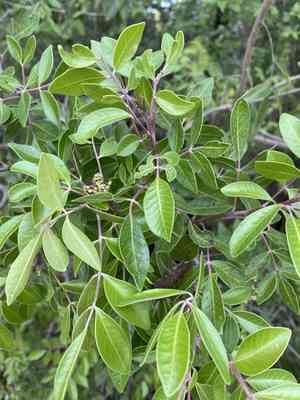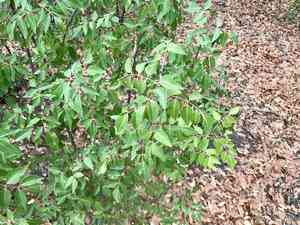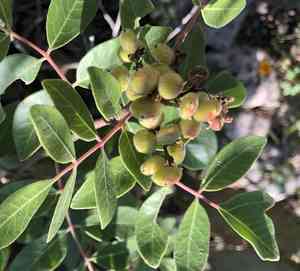
Evergreen sumac(Rhus virens)

Evergreen sumac (Rhus virens)

Also known as: Lentrisco, Tobacco sumac

The American Beautyberry (Callicarpa americana) is a shrub indigenous to regions of the United States. Its vibrant purple berries and blossoms are known to attract butterflies, bees, and birds. Historically, the Comanche Indians utilized its fruit to create a drink.

Attributes of Evergreen sumac

Lifespan
Perennial
Plant Type
Tree
Plant Height
2.5 m to 3 m
Spread
2.5 m to 3.5 m
Leaf Color
Green
Flower Size
2.5 cm to 5 cm
Flower Color
White Yellow Green Red

PlantJoy - Identify plants with a snap

Identify and diagnose plants, get toxicity alerts, and explore safety guides for all types of fungi.

Try for Free

Images of Evergreen sumac

Evergreen sumac(Rhus virens)

Quickly Identify Evergreen sumac

1
Dense, mounding growth pattern
2
Pinnately compound leaves with thick, dark green, rounded leaflets
3
Shiny upper leaf surface, subdued underside
4
New foliage tinged pink in spring
5
Clusters of small, sweetly scented white flowers in summer

Scientific Classification of Evergreen sumac

Phylum
Vascular plants
Class
Dicotyledons
Order
Sapindales
Family
Cashew
Genus
Sumacs
Species
Evergreen sumac

Planting and Growing of Evergreen sumac

Care Difficulty
Easy
Watering Schedule
Every 2 days
Sunlight Requirements
Full sun
Sunshine Duration
6-10 hours
Ideal Temperature
68-77℉
Soil Type
Potting Mix, Peat Mix
Soil pH
6.5-7.5
Fertilizer Type
Balanced
Pruning Season
Spring, Summer
Pruning Area
Branches, Leaves
Pruning Frequency
2 times a year
Repotting Season
Spring
Pot Type
Plastic, Ceramic

water icon How to Water Evergreen sumac?

For Rhus virens, it's important to water deeply but infrequently. When you water, aim to deliver around 500 ml of water to ensure the soil is adequately saturated. This allows the roots to absorb moisture over time and reduces the risk of root rot by allowing the soil to dry out between watering sessions.
What are the symptoms of an underwatered Evergreen sumac?
What should I do if my Evergreen sumac is not getting enough water?
What are the symptoms of an overwatered Evergreen sumac?
How to save an overwatered Evergreen sumac?

sunlight icon What Are the Sunlight Requirements for Evergreen sumac?

Sunlight Requirements: Full sun, Partial sun
Duration of light: 6 to 8 hours
Rhus virens thrives best in either full sun or partial sun environments. Adequate sunlight ensures enhanced photosynthesis, optimal growth rate, and vibrant, healthy leaf coloration.
Optimal Sun Exposure
Achieving Ideal Conditions
Benefits of Ideal Light
More About Sunlight Requirements Techniques

temperature icon What Is the Ideal Temperature Range for Evergreen sumac?

Ideal Temperature: 68 ~ 77℉
Rhus virens thrives best in temperatures ranging from 68°F to 77°F. This range allows for optimal growth and ensures the plant receives adequate warmth to facilitate its photosynthetic processes efficiently.

soil icon What Soil is Best for Evergreen sumac?

Soil type: Sandy soil, Loam, Calcareous soil
Soil PH: 6.5 ~ 7.5
Rhus virens thrives in well-drained soils, which prevent root rot and ensure proper water and nutrient absorption. This requirement is beneficial as it supports healthy root development and reduces the likelihood of fungal infections. The plant prefers soils rich in organic matter, which provides a steady release of essential nutrients. This enriches the plant's growth and sustains lush foliage, promoting a robust vegetative state. Rhus virens requires moderate soil moisture, avoiding waterlogged conditions that could lead to root diseases. This balance in moisture ensures consistent growth and vitality by preventing the plant from becoming stressed.

fertilize icon How to Fertilize Evergreen sumac?

Fertilizer type: Balanced
For Rhus virens, applying liquid fertilizer at a ratio of 1 tablespoon per gallon of water is generally recommended. When using slow-release granular fertilizer, use around 1 cup per plant, making sure to evenly distribute it across the root zone.

prune icon How to Prune Evergreen sumac?

Pruning Time: Spring, Autumn
Start by sterilizing your pruning tools to prevent the spread of disease. Focus on removing dead or diseased branches to improve air circulation. Always cut just above a leaf node to encourage new growth. Rhus virens can be shaped for aesthetic appeal. Trim branches that disrupt the desired shape of the plant. Make selective cuts to maintain a natural look or create a more structured form, depending on your preference. To encourage a bushier appearance, make heading cuts on taller branches. This involves cutting back to a lateral bud, which stimulates side growth. More side branches will enhance the fullness of your Rhus virens. More About Pruning Techniques

propagate icon How to Propagate Evergreen sumac plant?

Propagate Time: Spring, Early summer
1
Collect seeds from mature Rhus virens fruits in the autumn. Ensure the seeds are dry and store them in a cool, dry place until spring planting.
2
For cutting propagation, select healthy, disease-free shoots in spring or early summer. Cut 4-6 inch sections, ideally with 2-3 nodes, for planting.
3
Plant seeds or cuttings in well-draining soil in seed trays or pots. Maintain high humidity and warm temperatures to encourage rooting and germination.
More About Propagating Techniques

repot icon How to Repot Evergreen sumac plant?

Repotting frequency: Every 2-3 years
1
Look for signs like roots growing out of the pot's drainage holes, soil drying out too quickly, or the plant becoming top-heavy. These indicate it's time for Rhus virens to move to a new home.
2
Select a pot that is 2 inches larger in diameter than the current one, with adequate drainage holes. A slightly bigger pot ensures enough space for root growth, preventing root bound and promoting healthy development.
3
Opt for a well-draining sandy soil mix. This type accommodates the plant’s preference for moderate moisture while preventing waterlogging, ensuring the roots receive both air and nutrients efficiently.

PlantJoy - Identify plants with a snap

Find the best spots for them to optimize their health, simply using your phone.

Try for Free

Toxicity of Evergreen sumac

Is Evergreen sumac toxic to humans?

Evergreen sumac is an extremely toxic plant. Every part of this plant holds an oil that may lead to skin irritation and serious reactions upon contact with the skin. The allergenic compound urushiol can trigger a red, itchy rash that may persist for several days. Even the dried leaves possess the toxin and require careful handling. The greatest risk of exposure occurs during the burning of the plant. The toxin is released in the smoke, which can have catastrophic effects on a person's lungs if inhaled. Lungs may suffer permanent damage, leading to breathing difficulties.

Identify toxic plants for your safety

Learn which plants are harmful to you and your pets, and make informed choices for a safer home!

Try for Free
WARNING
The judgment on toxicity and danger is for reference only. We DO NOT GUARANTEE any accuracy of such judgment. Therefore, you SHALL NOT rely on such judgment. It is IMPORTANT TO SEEK PROFESSIONAL ADVICE in advance when necessary.
More About Toxic Techniques