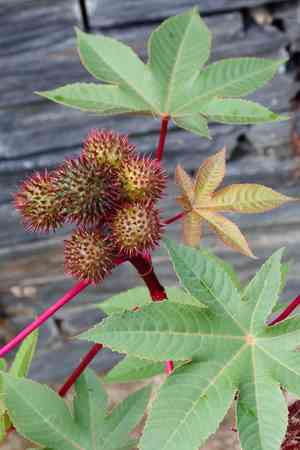
Castor bean (Ricinus communis)
Also known as: Maple weed, Palm of christ
The castor bean is valued for its oil, which finds use in lubricants, biodiesel, and as a rodent repellent, among other applications. While castor plants are commercially cultivated worldwide, India is the leading producer, accounting for approximately 85-90% of global castor oil production. It's important to note that castor beans are inedible due to the presence of a potent toxin that is released when the seeds are broken.
Attributes of Castor bean
Images of Castor bean
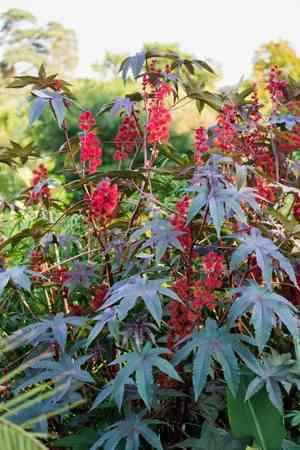
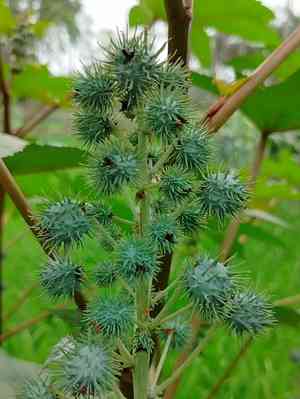
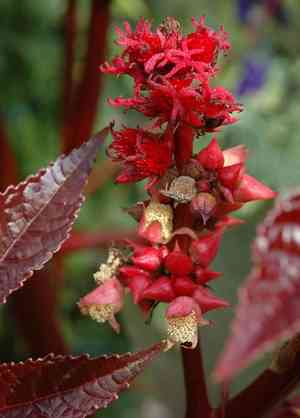
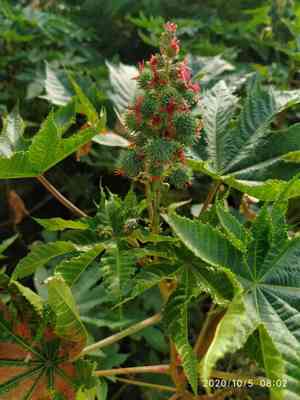
Quickly Identify Castor bean
Scientific Classification of Castor bean
Planting and Growing of Castor bean
 How to Water Castor bean?
 What Are the Sunlight Requirements for Castor bean?
 What Is the Ideal Temperature Range for Castor bean?
 What Soil is Best for Castor bean?
 How to Fertilize Castor bean?
 How to Prune Castor bean?
 How to Propagate Castor bean plant?
 How to Repot Castor bean plant?
Toxicity of Castor bean
Is Castor bean toxic to humans?
The castor bean holds the grim title of the most toxic plant to humans globally, where consuming even a single bean can lead to death within mere minutes. This is attributed to the plant's significant concentration of the carbohydrate-binding protein known as ricin. Ricin presents a poisoning risk through various routes: inhalation, ingestion, or injection. Fortunately, fatalities linked to the castor bean plant are relatively rare, with the majority stemming from the consumption of its berries. Such ingestion can provoke severe symptoms like vomiting and diarrhea, as well as intense dehydration and low blood pressure. Furthermore, if ricin—often a byproduct of processing castor oil—comes into contact with skin or eyes, it can result in irritation and discomfort. Inhalation of ricin can lead to a range of serious symptoms, including fever, coughing, nausea, breathing difficulties, chest tightness, profuse sweating, fluid accumulation in the lungs, reduced blood pressure, and potential respiratory failure.
Is Castor bean toxic to cat?
Every component of the castor bean (Ricinus communis) plant poses a significant toxicity risk to both cats and dogs, with the seeds being the most hazardous portion. The onset of symptoms may be delayed for as long as two days following ingestion. Commonly observed reactions include extreme weakness and vomiting, and without prompt treatment, fatality can result. Immediate veterinary intervention is essential.
Is Castor bean toxic to dog?
The castor bean plant harbors a highly lethal toxin; if you observe your pet nibbling on this plant, seek veterinary care immediately. While all parts of the plant are toxic, the seeds contain the most concentrated levels of poison. Symptoms may manifest between 6 to 42 hours post-ingestion and can include bloody diarrhea, vomiting, excessive salivation, tremors, and even collapse.



