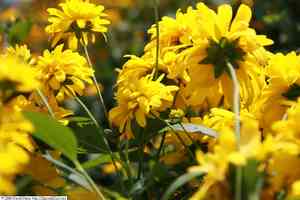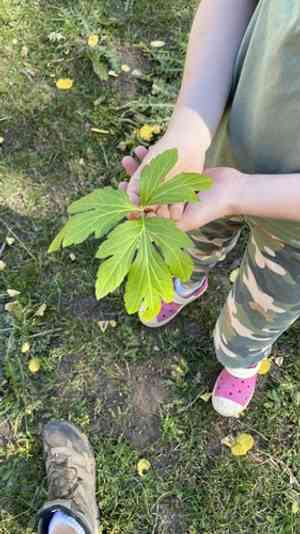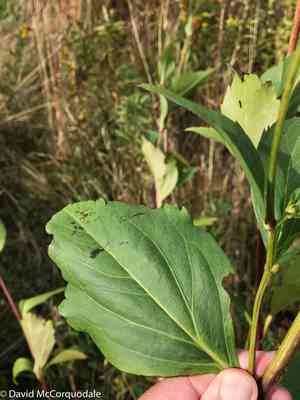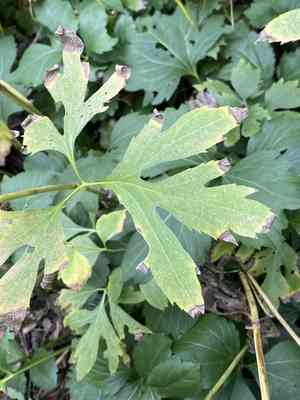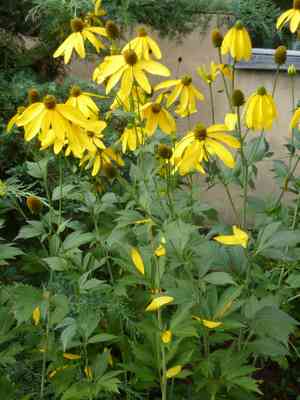
Cutleaf coneflower(Rudbeckia laciniata)

Cutleaf coneflower (Rudbeckia laciniata)

Also known as: Thimbleweed, Sochan

The Cutleaf Coneflower (Rudbeckia laciniata) resembles the Sunflower and Black-eyed Susan but is distinguished by its greenish-yellow center and back-tilted rays. This plant is a crucial food source for honeybees, butterflies, and songbirds. Additionally, its early spring leaves can be boiled to create tasty greens.

Attributes of Cutleaf coneflower

Lifespan
Perennial
Plant Type
Herb
Plant Height
50 cm to 2 m
Spread
60 cm to 1.2 m
Leaf Color
Green
Flower Size
7 cm to 10 cm
Flower Color
Yellow Green

PlantJoy - Identify plants with a snap

Identify and diagnose plants, get toxicity alerts, and explore safety guides for all types of fungi.

Try for Free

Images of Cutleaf coneflower

Cutleaf coneflower(Rudbeckia laciniata)

Quickly Identify Cutleaf coneflower

1
Towering height range of 3 to 10 feet (91 to 305 cm).
2
Distinctive pinnate leaves with drooping tendency.
3
Bright yellow flowers with drooping petals and green central cone.
4
Dry achene fruit with elongated dark pappus for dispersal.
5
Smooth, light green stem that branches and reaches 1.5-6 feet (0.5-1.8 meters).

Scientific Classification of Cutleaf coneflower

Phylum
Vascular plants
Class
Dicotyledons
Order
Asters bellflowers fanflowers and allies
Family
Daisy
Genus
Coneflowers
Species
Cutleaf coneflower

Planting and Growing of Cutleaf coneflower

Care Difficulty
Easy
Watering Schedule
Every 8 days
Sunlight Requirements
Full sun
Sunshine Duration
4-6 hours
Ideal Temperature
60-75℉
Soil Type
Potting Mix, Peat Mix
Soil pH
6.5-7.5
Fertilizer Type
Balanced
Pruning Season
Spring, Summer
Pruning Area
Branches, Leaves
Pruning Frequency
2 times a year
Repotting Season
Spring
Pot Type
Plastic, Ceramic

water icon How to Water Cutleaf coneflower?

Rudbeckia laciniata requires a moderate amount of water. Ensure the soil remains consistently moist but not waterlogged. Water until the soil is saturated but excess water drains away, indicating sufficient hydration.
What are the symptoms of an underwatered Cutleaf coneflower?
What should I do if my Cutleaf coneflower is not getting enough water?
What are the symptoms of an overwatered Cutleaf coneflower?
How to save an overwatered Cutleaf coneflower?
More About Watering Techniques

sunlight icon What Are the Sunlight Requirements for Cutleaf coneflower?

Sunlight Requirements: Full sun, Partial sun
Duration of light: 6 to 8 hours
Rudbeckia laciniata prefers full sun to partial sun exposure, ideally receiving 6 to 8 hours. Proper lighting supports vibrant blooms and sturdy, healthy growth.
How much sun does it need?
What if full sun is unavailable?
What are the benefits of ideal lighting?
More About Sunlight Requirements Techniques

temperature icon What Is the Ideal Temperature Range for Cutleaf coneflower?

Ideal Temperature: 60 ~ 75℉
For optimal growth, Rudbeckia laciniata thrives in a temperature range between 60°F to 75°F. This range supports healthy photosynthesis and prevents stress, ensuring the plant achieves full potential in blooming and resilience against pests.

soil icon What Soil is Best for Cutleaf coneflower?

Soil type: Sandy loam, Loam, Clay soil
Soil PH: 6.5 ~ 7.5
Rudbeckia laciniata thrives in soil that drains well, preventing root rot which can occur in overly saturated soil. This drainage balances moisture retention and air circulation, fostering healthy root systems. Incorporating organic matter into the soil enhances nutrient content, essential for the healthy growth of Rudbeckia laciniata. Compost or well-rotted manure can improve the soil structure and fertility. While well-drained soil is crucial, maintaining some moisture retention helps Rudbeckia laciniata to thrive, especially during dry spells. Consistent moisture levels support robust bloom production. More About Soil

fertilize icon How to Fertilize Cutleaf coneflower?

Fertilizer type: Balanced
For Rudbeckia laciniata, each liquid fertilizer application should involve diluting to half the recommended strength of a balanced fertilizer. Use approximately one tablespoon per gallon of water for optimal nutrient absorption. More About Fertilizing Techniques

prune icon How to Prune Cutleaf coneflower?

Pruning Time: Spring, Summer, Autumn
Start by removing any dead or diseased stems near the base to improve air circulation. Trim to shape the plant, maintaining a balanced appearance, and cut just above a leaf node to encourage new growth. Use sharp, clean pruning shears to avoid damaging the plant. Regularly deadhead spent flowers throughout the growing season. This encourages the plant to produce more blooms and prevents it from going to seed. Simply snip off the flowers just below the flower head with a pair of garden scissors. More About Pruning Techniques

propagate icon How to Propagate Cutleaf coneflower plant?

Propagate Time: Spring, Early spring
1
Begin with filling seed trays with a fine potting mix. Scatter Rudbeckia laciniata seeds evenly over the soil surface and cover lightly with more soil. Water gently to avoid displacing the seeds. Maintain a warm environment to encourage germination.
2
Carefully dig up mature Rudbeckia laciniata plants in early spring. Use a sharp knife or garden trowel to divide the plant into clumps, ensuring each clump has roots attached. Replant the divisions into prepared garden soil or pots.
3
Once seedlings have grown strong in seed trays, harden them off by gradually exposing them to outdoor conditions. Transplant them into a suitable garden location with full sun and well-drained soil when they are robust enough.
More About Propagating Techniques

repot icon How to Repot Cutleaf coneflower plant?

Repotting frequency: Every 2 to 3 years
1
Rudbeckia laciniata usually needs repotting when its roots begin to outgrow the pot, often visible when they start poking out of the drainage holes. Other signs include slowed growth and water sitting on the surface after watering instead of soaking in. The best time to repot is during active growth in spring or early summer.
2
Select a pot that is one size larger than the current one, ensuring it has ample drainage holes to prevent waterlogging. A pot that is too large can cause the soil to retain too much moisture, which can lead to root rot. Opting for a breathable material like terracotta can also help regulate moisture levels.
3
A well-drained loamy soil is ideal for Rudbeckia laciniata. This type of soil maintains adequate moisture while preventing excess water retention, which can lead to root diseases. Adding organic matter to the mix will further enhance soil health, providing necessary nutrients for vigorous growth.

PlantJoy - Identify plants with a snap

Find the best spots for them to optimize their health, simply using your phone.

Try for Free

Toxicity of Cutleaf coneflower

Is Cutleaf coneflower toxic to cat?

The plant species commonly referred to as cutleaf coneflower has been recognized as toxic to felines. Even minimal ingestion can result in unintentional poisoning if a cat consumes any parts of the cutleaf coneflower, as the whole plant possesses toxic characteristics. Following exposure, a cat may show signs of physical distress, which can appear as illness or discomfort, raising significant concerns for their wellbeing. Pet owners should vigilantly monitor their animals to prevent ingestion and ensure that these plants are positioned safely out of reach. Should there be any suspicion of a cat ingesting cutleaf coneflower, it is vital to seek prompt veterinary attention to manage and alleviate the cat's condition.

Is Cutleaf coneflower toxic to dog?

The cutleaf coneflower is identified as toxic to dogs. Canines may unintentionally consume portions of this plant, resulting in poisoning. Every part of the plant, including the leaves, stems, flowers, and roots, contains harmful substances that can pose a risk to dogs if ingested. Following consumption of cutleaf coneflower, dogs may show signs such as vomiting, diarrhea, lethargy, or more severe symptoms depending on the quantity consumed. It is imperative for dog owners to closely supervise their pets and restrict their access to this plant. Should there be any suspicion of poisoning from cutleaf coneflower, obtaining immediate veterinary assistance is vital to safeguard the health and well-being of the affected dog.

Identify toxic plants for your safety

Learn which plants are harmful to you and your pets, and make informed choices for a safer home!

Try for Free
WARNING
The judgment on toxicity and danger is for reference only. We DO NOT GUARANTEE any accuracy of such judgment. Therefore, you SHALL NOT rely on such judgment. It is IMPORTANT TO SEEK PROFESSIONAL ADVICE in advance when necessary.
More About Toxic Techniques