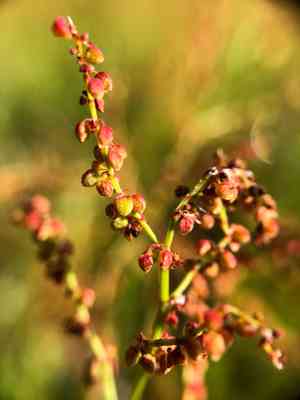
Garden sorrel (Rumex acetosella)
Also known as: Field sorrel
Garden sorrel (Rumex acetosella), related to buckwheat, flourishes in acidic, low-fertility soils, often colonizing areas like abandoned mines where other plants struggle to survive. It is frequently deemed a weed by farmers, posing significant challenges for blueberry crops due to its aggressive competition for nutrients and space.
Attributes of Garden sorrel
Images of Garden sorrel
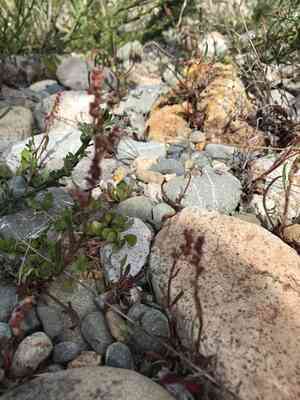
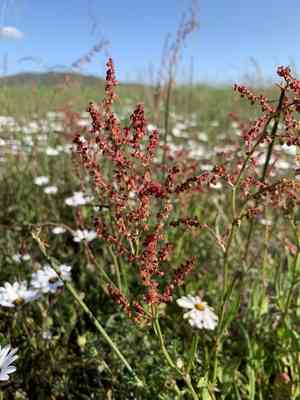
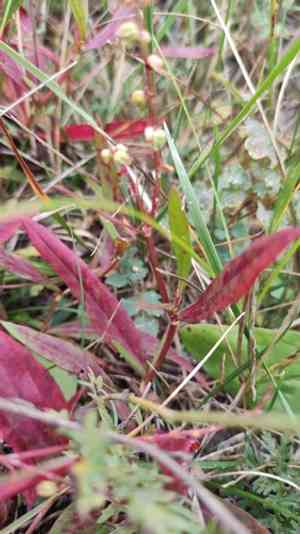
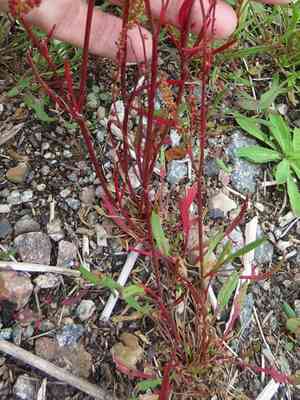
Quickly Identify Garden sorrel
Scientific Classification of Garden sorrel
Planting and Growing of Garden sorrel
 How to Water Garden sorrel?
 What Are the Sunlight Requirements for Garden sorrel?
 What Is the Ideal Temperature Range for Garden sorrel?
 What Soil is Best for Garden sorrel?
 How to Fertilize Garden sorrel?
 How to Prune Garden sorrel?
 How to Propagate Garden sorrel plant?
 How to Repot Garden sorrel plant?
Toxicity of Garden sorrel
Is Garden sorrel toxic to humans?
Poisoning from garden sorrel primarily occurs when individuals come into contact with its pollen or inadvertently consume large amounts of its leaves, which contain calcium oxalates. While the toxicity of the leaves is considered mild, excessive ingestion can result in symptoms such as tremors, excessive salivation, and diarrhea. Furthermore, this plant can elevate the chances of developing kidney stones and mineral deficiencies. The consumption of garden sorrel presents a greater risk to children and individuals suffering from conditions like kidney stones, rheumatism, and arthritis. Additionally, the pollen of garden sorrel can trigger moderate hay fever in certain individuals, whose symptoms may encompass itchy, watery eyes, runny nose, nasal congestion, sneezing, postnasal drip, and feelings of fatigue.
Is Garden sorrel toxic to cat?
Garden sorrel can be toxic to cats if ingested. If cats inadvertently munch on parts of the garden sorrel, particularly the leaves, they may suffer various adverse health effects. The intensity of these symptoms may differ, making it essential for cat owners to remain alert and monitor their pets for any indications of distress or illness from consuming this plant. Given the potential danger posed by garden sorrel, it is vital for owners to obtain prompt veterinary assistance to ensure their cat's health is properly managed in cases of poisoning.
Is Garden sorrel toxic to dog?
Garden sorrel is regarded as harmful to dogs. If consumed inadvertently, dogs can suffer from poisoning due to this plant, with the leaves being the hazardous portion. Following the ingestion of garden sorrel, a dog may display a range of symptoms that suggest poisoning. These can include vomiting, diarrhea, excessive drooling, lethargy, or alterations in urine color. It is essential for dog owners to vigilantly observe their pets and restrict access to garden sorrel to prevent accidental consumption. Should a dog consume garden sorrel, seeking prompt veterinary assistance is vital to ensure the best outcome for the animal.



