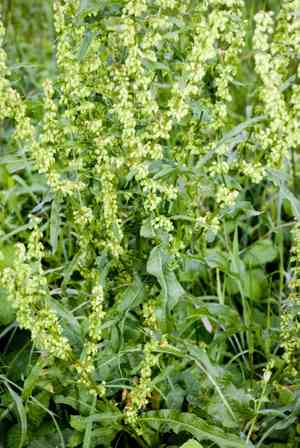
Curly dock(Rumex crispus)

Curly dock (Rumex crispus)

Also known as: Yellow dock

Rumex crispus, or curly dock, is a versatile perennial plant found in temperate zones of the Northern Hemisphere. It adapts well to various habitats such as fields, pastures, roadsides, and the edges of woodlands. It also thrives in meadows and along shorelines. Additionally, some moth species use curly dock leaves as a site for laying their eggs.

Attributes of Curly dock

Lifespan
Perennial
Plant Type
Herb
Plant Height
30 cm
Spread
60 cm
Leaf Color
Green
Flower Size
3 mm
Flower Color
Green Yellow Red

PlantJoy - Identify plants with a snap

Identify and diagnose plants, get toxicity alerts, and explore safety guides for all types of fungi.

Try for Free

Images of Curly dock

Curly dock(Rumex crispus)

Quickly Identify Curly dock

1
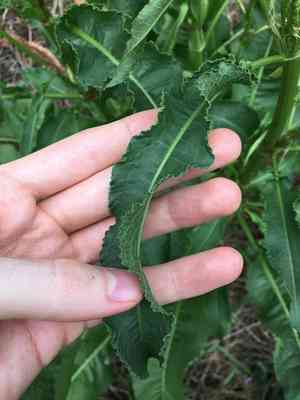
Distinct wavy leaf margins aid in identification, characteristic of basal and stem leaves.
2
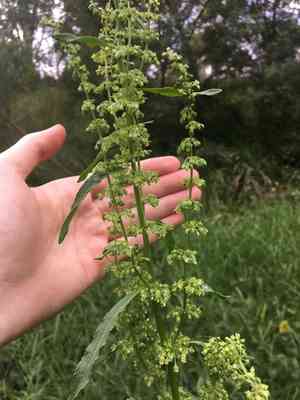
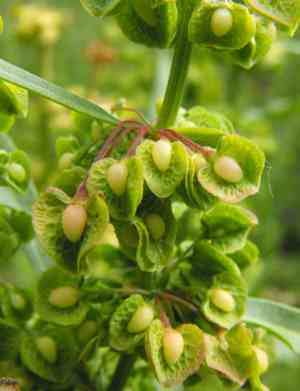
Tiny wind-pollinated flowers lack petals, with yellowish-green sepals forming a three-winged structure.
3
Dry capsules contain dark brown, 3-angled seeds measuring under 1/8 inch in length.
4
Hairless, ribbed stems are light to medium green, standing upright and reaching 1 to 3 feet in height.
5
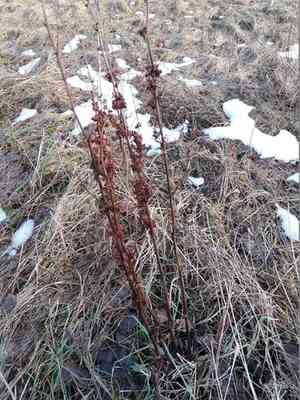
Adaptable plant with deep taproot, growing to 2-4 feet height, green to reddish stems bearing small flowers.

Scientific Classification of Curly dock

Phylum
Vascular plants
Class
Dicotyledons
Order
Pinks, cacti, and allies
Family
Buckwheat
Genus
Docks
Species
Curly dock

Planting and Growing of Curly dock

Care Difficulty
Easy
Watering Schedule
Every 3 days
Sunlight Requirements
Full sun
Sunshine Duration
6-8 hours
Ideal Temperature
60-75℉
Soil Type
Potting Mix, Peat Mix
Soil pH
5.5-7.5
Fertilizer Type
Balanced
Pruning Season
Spring, Summer
Pruning Area
Branches, Leaves
Pruning Frequency
2 times a year
Repotting Season
Spring
Pot Type
Plastic, Ceramic

water icon How to Water Curly dock?

Rumex crispus, commonly known as curly dock, prefers a moderate watering regime. Ensure that the soil is slightly damp but not waterlogged. Water until the top 1-2 inches of soil feel moist, around 200 ml per watering session should suffice for potted plants, depending on the environmental conditions.
What are the symptoms of an underwatered Curly dock?
What should I do if my Curly dock is not getting enough water?
What are the symptoms of an overwatered Curly dock?
How to save an overwatered Curly dock?

sunlight icon What Are the Sunlight Requirements for Curly dock?

Sunlight Requirements: Full sun, Partial sun
Duration of light: 4-8 hours daily
Rumex crispus prefers full sun or partial sun exposure. Ideal lighting promotes strong growth, dense foliage, and enhanced aesthetic appeal, maximizing the plant's full potential.
Preferred Light Intensity
Solutions for Ideal Lighting
Benefits of Ideal Lighting

temperature icon What Is the Ideal Temperature Range for Curly dock?

Ideal Temperature: 60 ~ 75℉
Rumex crispus thrives best in moderate temperatures. The optimal growth temperature is between 60°F to 75°F. In this range, the plants can efficiently photosynthesize and maintain healthy cell functions. At these temperatures, the plant experiences a balanced rate of growth, with minimal stress due to excess heat or cold.

soil icon What Soil is Best for Curly dock?

Soil type: Clay soil, Sandy soil, Loam
Soil PH: 5.5 ~ 7.5
Rumex crispus prefers soils that retain moisture but still drain effectively. This requirement ensures that the plant gets the necessary hydration without being waterlogged, which could lead to root rot. The plant flourishes in soil rich in organic matter. This richness provides essential nutrients that support robust growth and development, giving Rumex crispus its lush, healthy appearance. Rumex crispus thrives in soils with a pH ranging from 5.5 to 7.5. This pH range ensures nutrient availability and absorption, promoting optimal growth conditions for the plant.

fertilize icon How to Fertilize Curly dock?

Fertilizer type: Balanced
For Rumex crispus, the amount of fertilizer should be moderate, ensuring neither over nor under-fertilization. Liquid fertilizers should be diluted to half the recommended strength, and 100ml per plant is usually sufficient. For slow-release fertilizers, apply around 50 grams per plant to keep it healthy.

prune icon How to Prune Curly dock?

Pruning Time: Spring, Summer
To prune Rumex crispus effectively, start by using sharp, clean scissors or garden shears. Identify and remove any damaged or dead leaves, cutting them back to their base to prevent disease. Focus also on removing flower stems before seeds develop. For shaping, trim back overgrown areas to encourage compact growth. Pruning is best done in the early morning or late afternoon to minimize plant stress.

propagate icon How to Propagate Curly dock plant?

Propagate Time: Spring, Early spring, Late spring
1
Start by gathering Rumex crispus seeds in late autumn. Clean the seeds thoroughly to remove any debris. This cleaning process is important for preventing fungal growth and preparing the seeds for stratification, which mimics natural winter conditions.
2
Place the cleaned seeds in a moist medium and store them in a cool place, such as a refrigerator, for about 6 to 8 weeks. This cold stratification period breaks seed dormancy and promotes germination once sown in the spring.
3
Once stratification is complete, sow the seeds in a seed tray filled with nutrient-rich potting mix. Cover them lightly with soil and water gently to maintain moisture. Place the tray in a well-lit area, avoiding direct sunlight, to enhance germination.

repot icon How to Repot Curly dock plant?

Repotting frequency: Every 2-3 years
1
Look for signs such as roots protruding from the drainage holes or a noticeable decrease in growth rate. These indicate that Rumex crispus might have outgrown its current pot, signaling it’s time for a change. Spring or early summer is ideal as the plant is gearing up for active growth, making it more resilient to the stress of repotting.
2
Select a pot that's one size larger than its current home, with ample drainage holes. Using a larger pot prevents root-bound conditions, promotes healthier growth, and ensures excess water can easily escape, reducing the risk of root rot. Clay pots work well as they help with moisture regulation, relevant for Rumex crispus’s needs.
3
Opt for well-draining sandy loam that provides sufficient air circulation around the roots. This type of soil mimics the plant's natural environment, ensuring that it does not retain excess moisture, which could lead to root rot. The gritty texture also prevents soil compaction, promoting healthy root growth.

PlantJoy - Identify plants with a snap

Find the best spots for them to optimize their health, simply using your phone.

Try for Free

Toxicity of Curly dock

Is Curly dock toxic to humans?

The ingestion of curly dock may result in mild to moderate toxicity in humans, attributable to its oxalic acid component. Consuming this plant heightens the likelihood of developing kidney stones, irritating the urinary tract, and can induce a laxative effect in breastfeeding infants if their mothers consume curly dock. Adverse reactions tend to arise primarily when substantial amounts of this plant are consumed, although the overall toxicity remains mild.

Is Curly dock toxic to cat?

Curly dock presents a moderate level of toxicity risk to cats upon ingestion. Every component of the plant is poisonous, indicating that any part of curly dock can lead to poisoning if chewed or swallowed by cats. After ingestion, cats may show a variety of physical distress symptoms, which can worsen without timely intervention. Therefore, it is essential for cat owners to remain alert and deter their cats from reaching curly dock, as well as to obtain immediate veterinary assistance if they think their cat has consumed this toxic plant.

Is Curly dock toxic to dog?

Curly dock presents a moderate toxicity risk for dogs. Poisoning usually occurs when a dog ingests any part of the plant, as all components of curly dock are deemed toxic. Symptoms in dogs that consume curly dock may include gastrointestinal distress, vomiting, diarrhea, or more severe reactions depending on the quantity ingested. It is essential for dog owners to remain alert and prevent their dogs from entering areas where curly dock thrives. If a dog consumes any portion of curly dock, it is vital to obtain prompt veterinary assistance to secure the best possible prognosis for the affected pet.

Identify toxic plants for your safety

Learn which plants are harmful to you and your pets, and make informed choices for a safer home!

Try for Free
WARNING
The judgment on toxicity and danger is for reference only. We DO NOT GUARANTEE any accuracy of such judgment. Therefore, you SHALL NOT rely on such judgment. It is IMPORTANT TO SEEK PROFESSIONAL ADVICE in advance when necessary.
More About Toxic Techniques