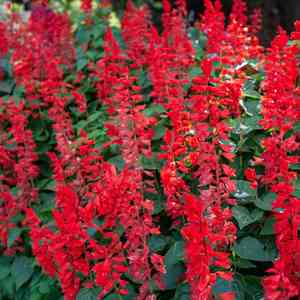
Scarlet sage (Salvia coccinea)
Also known as: Texas sage, Tropical sage
The Blanket Flower (Gaillardia) flourishes in sandy soil and hot climates, boasting a blooming season from early spring to late fall. Known for attracting butterflies and hummingbirds, its vibrant blossoms have inspired growers to develop a variety of cultivars.
In This Article
Attributes of Scarlet sage
Lifespan
Perennial, Annual, Biennial
Plant Type
Herb
Plant Height
30 cm
Spread
30 cm to 75 cm
Leaf Color
Green
Flower Size
2.5 cm
Flower Color
Red White Pink
Images of Scarlet sage
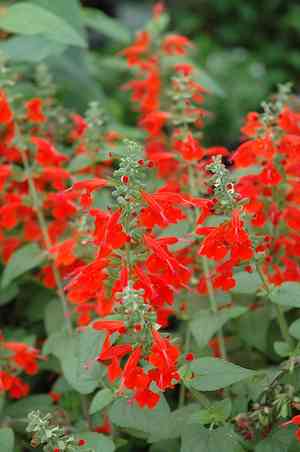
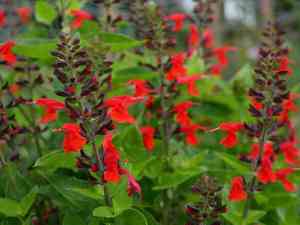
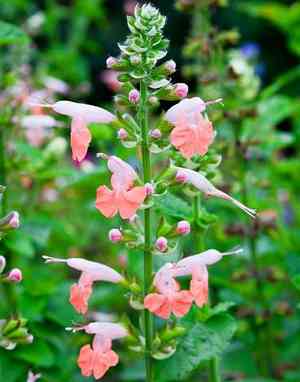
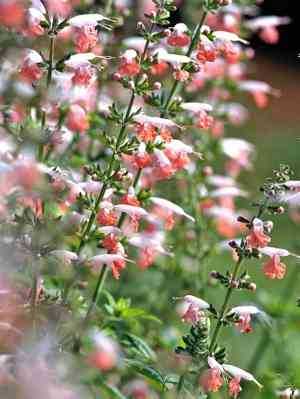
Quickly Identify Scarlet sage
1
Vibrant red tubular blossoms on slender 2-3 ft (60-90 cm) stems.
2
Distinctive scarlet-red two-lipped flowers in whorls on tall stems.
3
Fruit forms four one-seeded nutlets, dry texture, brown to gray color.
4
Medium green leaves, triangular to oval, scalloped edges, fine hairs.
5
Square stem with short and long hairs, green to reddish, bushy growth.
Scientific Classification of Scarlet sage
Phylum
Vascular plants
Class
Dicotyledons
Order
Mints plantains olives and allies
Family
Mint
Genus
Sages
Species
Scarlet sage
Planting and Growing of Scarlet sage
Care Difficulty
Easy
Watering Schedule
Every 4 days
Sunlight Requirements
Full sun
Sunshine Duration
4-8 hours
Ideal Temperature
65-75℉
Soil Type
Potting Mix, Peat Mix
Soil pH
6.5-7.5
Fertilizer Type
Balanced
Pruning Season
Spring, Summer
Pruning Area
Branches, Leaves
Pruning Frequency
2 times a year
Repotting Season
Spring
Pot Type
Plastic, Ceramic
 How to Water Scarlet sage?
Salvia coccinea prefers a consistent watering schedule where the soil is kept evenly moist but not waterlogged. Water thoroughly until about 500ml has percolated through the soil, allowing the excess to drain freely. The key is to ensure moisture reaches the root zone without leaving the plant sitting in water.
More About Watering Techniques→
What are the symptoms of an underwatered Scarlet sage?
›
What should I do if my Scarlet sage is not getting enough water?
›
What are the symptoms of an overwatered Scarlet sage?
›
How to save an overwatered Scarlet sage?
›
 What Are the Sunlight Requirements for Scarlet sage?
Salvia coccinea thrives in full to partial sun, receiving approximately six hours of sunlight daily. This optimal light fosters vibrant blossoms and sustained growth, ensuring the plant remains vigorous throughout its lifecycle.
More About Sunlight Requirements Techniques→
Best Time for Sun Exposure
›
Positioning for Optimal Sunlight
›
Lighting Adjustments Over Seasons
›
 What Is the Ideal Temperature Range for Scarlet sage?
The ideal temperature range for growing Salvia coccinea is between 65°F and 75°F. This range facilitates optimal metabolic processes and supports healthy photosynthesis, resulting in robust plant growth. Maintaining these temperatures ensures the plant can thrive, providing vibrant blooms and lush foliage throughout the growing season.
 What Soil is Best for Scarlet sage?
Salvia coccinea thrives in well-drained soils, preventing root rot and other moisture-related issues. Good drainage ensures the plant's roots have access to oxygen and can expand healthily, promoting robust growth and plentiful flowering. Optimal growth occurs in nutrient-rich soils. Incorporating organic matter like compost can boost soil fertility, supplying essential nutrients to fuel vibrant blooms and healthy foliage. The soil should retain moisture without becoming waterlogged. This balance ensures that Salvia coccinea receives hydration while preventing the risks associated with overly saturated soil conditions.
More About Soil→
 How to Fertilize Scarlet sage?
For Salvia coccinea, apply a balanced water-soluble fertilizer at half the recommended strength to avoid over-fertilization. Mix 1 tablespoon of fertilizer with 1 gallon of water.
More About Fertilizing Techniques→
 How to Prune Scarlet sage?
To start pruning your Salvia coccinea, use clean and sharp scissors or pruning shears. Begin by removing any dead or damaged stems at their base. Then, look for any branches that are crossing or growing towards the center of the plant, and trim them to boost light penetration. Always cut above a pair of leaves or a leaf node to encourage branching. As part of your regular pruning routine, deadhead spent flowers to promote continuous blooming. Pinch or trim off flower stalks just above the highest set of leaves. This not only tidies the plant's appearance but also prevents it from directing energy into seed production.
More About Pruning Techniques→
 How to Propagate Scarlet sage plant?
1
To propagate through seeds, begin by soaking the seeds in warm water for 24 hours. This process helps soften the seed coat, promoting quicker germination. Use fresh seeds as they have a higher germination rate.
2
For cutting propagation, select a healthy stem with no flowers and cut just below a node. The cuttings should be around 4-6 inches long. Strip away the lower leaves and dip the cut end in rooting hormone to encourage root development.
3
Plant seeds in a sterile seed starting mix, or insert cuttings into a well-draining potting mix. Ensure good contact with the growing medium and water lightly to settle the soil. Maintain humidity by covering with a plastic dome or bag.
 How to Repot Scarlet sage plant?
1
Salvia coccinea should be repotted when you notice roots growing through the drainage holes or when the plant becomes root-bound. This typically occurs once a year as the plant outgrows its pot. Additionally, if the soil becomes compacted or the plant shows signs of poor growth, these are indications that repotting is necessary.
2
Select a pot that is one size larger than the current one, with adequate drainage holes to prevent waterlogging. Using a pot made of porous material like terracotta can benefit the plant by allowing air circulation and reducing root rot risk. Ensuring a robust drainage system is crucial for maintaining healthy Salvia coccinea.
3
Opt for a well-draining potting mix that contains perlite or sand. This type of soil promotes air circulation and prevents water stagnation, keeping the roots healthy and reducing the likelihood of root rot. A light and fluffy soil ensures that your Salvia coccinea has the right conditions for optimal growth.
Learn More About Scarlet sage Diseases
Anthracnose
Bacterial Leaf Spot
Bacterial Wilt
Crown Gall
Damping-off
Downy Mildew
Drought Stress
Fusarium Wilt
Gray Mold
Leaf Spot
Mosaic
Nutrient Deficiency
Nutrient Toxicity
Powdery Mildew
Root Rot
Root-knot Nematode
Rusts
Sooty Mold
Spider Mites
Temperature Stress
Thrips Damage
White Mold
Chemical Injury



