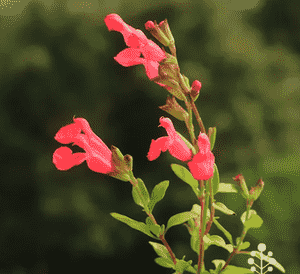
Baby sage (Salvia microphylla)
Also known as: Lemmon's sage
Baby sage, an evergreen shrub, is typically found in Mexico and the Southwestern United States. This plant is known for its unique leaves that emit a delightful fragrance reminiscent of mint and black currant when crushed. The flowers of baby sage are often vibrant, showcasing a spectrum of colors from light pink and rose to magenta and red.
In This Article
Attributes of Baby sage
Lifespan
Perennial, Annual
Plant Type
Herb, Shrub
Plant Height
1 m to 1.3 m
Spread
1 m to 1.3 m
Leaf Color
Green
Flower Size
2.5 cm
Flower Color
Red Pink White Purple
Images of Baby sage
Quickly Identify Baby sage
1
Bushy growth up to 3-4 feet (90-120 cm) tall, with similar spread.
2
Triangular, aromatic leaves with toothed edges, 1-2 inches (2.5-5 cm) long.
3
Vivid tubular flowers in red, pink, or purple tones attract pollinators.
4
Schizocarp fruit with 4 chambers, each holding a small, hardened nutlet.
5
Fruit coloration blends with foliage, nutlets < 0.2 inches (5 mm) in diameter.
Scientific Classification of Baby sage
Phylum
Vascular plants
Class
Dicotyledons
Order
Lamiales
Family
Mint
Genus
Sages
Species
Baby sage
Planting and Growing of Baby sage
Care Difficulty
Easy
Watering Schedule
Every 4 days
Sunlight Requirements
Full sun
Sunshine Duration
4-6 hours
Ideal Temperature
60-75℉
Soil Type
Potting Mix, Peat Mix
Soil pH
6.5-7.5
Fertilizer Type
Balanced
Pruning Season
Spring, Summer
Pruning Area
Branches, Leaves
Pruning Frequency
2 times a year
Repotting Season
Spring
Pot Type
Plastic, Ceramic
 How to Water Baby sage?
When watering Salvia microphylla, aim to provide around 250 milliliters. The goal is to ensure soil is evenly moist but not waterlogged. It is crucial to let the top part of the soil dry out between waterings to prevent root rot, as excessive moisture can suffocate the roots.
More About Watering Techniques→
What are the symptoms of an underwatered Baby sage?
›
What should I do if my Baby sage is not getting enough water?
›
What are the symptoms of an overwatered Baby sage?
›
How to save an overwatered Baby sage?
›
 What Are the Sunlight Requirements for Baby sage?
Salvia microphylla does best in full sun to partial sun settings. Ideal light supports bushy growth, optimal flowering, and overall plant health, making the plant more resilient to stress.
More About Sunlight Requirements Techniques→
Ideal Intensity
›
Flexible Positioning
›
Environmental Consistency
›
 What Is the Ideal Temperature Range for Baby sage?
Salvia microphylla thrives best within a temperature range of 60 to 75°F, where the conditions support robust growth and flowering. This temperature range is optimal because it mimics its natural habitat, promoting healthy physiological processes. Maintaining these conditions ensures that the plant can access adequate resources for photosynthesis and metabolic functions, leading to lush foliage and vibrant blooms.
 What Soil is Best for Baby sage?
Salvia microphylla thrives in well-drained soil, which prevents waterlogging and root rot. This drainage allows for optimal oxygen flow, crucial for healthy root development and nutrient absorption. The plant requires soil with moderate fertility. Excess nutrients can lead to lush foliage but poor flowering, while too little can stunt growth and blooming. A balanced nutrient base supports vibrant growth and abundant blooms. Aerated soil ensures proper air circulation around roots, enhancing nutrient uptake and plant respiration. Proper aeration keeps soil loose, avoiding compaction which can suffocate roots and impede growth.
More About Soil→
 How to Fertilize Baby sage?
Salvia microphylla thrives on balanced feeding. Use a liquid fertilizer diluted to half the recommended strength every two weeks. For slow-release fertilizers, apply according to the package's suggested rate, usually about a tablespoon per square foot of soil every four months.
More About Fertilizing Techniques→
 How to Prune Baby sage?
Begin by removing spent flowers by cutting the stem just above a pair of leaves. This will enhance the plant's appearance and stimulate new blooms, extending the flowering season. Trim back any excess or unruly shoots to maintain a desired shape. Make sure to cut just above a pair of leaves or lateral bud to promote fuller growth and prevent leggy branches. During each pruning session, lightly shape the plant to maintain its form. This involves cutting back overgrown branches and encouraging a more compact and attractive habit.
More About Pruning Techniques→
 How to Propagate Baby sage plant?
1
Select healthy, non-flowering stems and cut them at a 45-degree angle. Each cutting should be approximately 4-6 inches long. Remove any leaves from the lower half to prevent rot when planted.
2
Dip the cut end of each cutting into rooting hormone and plant them in a well-draining potting mix. Ensure the soil is moist but not waterlogged and place them in indirect sunlight.
3
Gather mature seeds from the parent plant and sow them lightly in a seed tray filled with a seed-starting mix. Keep the tray in a warm and bright location to ensure successful germination.
 How to Repot Baby sage plant?
1
Salvia microphylla should be repotted when you notice roots circling the bottom of the pot or when the growth becomes stunted. These are signs the plant has outgrown its container. Ideally, repotting is best done in spring or early summer when the plant is actively growing, allowing it to adapt more readily to its new environment.
2
Select a pot that is just one size bigger than the current one. This allows room for root expansion without overwhelming the plant. A pot with adequate drainage holes is crucial, helping prevent waterlogging—something sage plants dislike. The right size balances root growth and reduces the risk of overwatering, thereby fostering healthier plants.
3
Opt for a well-draining potting mix, preferably with a mix of peat, perlite, and organic matter. This composition ensures that water doesn't sit at the roots, mimicking the plant’s natural environment and promoting root health. The aeration and nutrients in the soil help the plant adjust quickly and continue growing robustly.
Learn More About Baby sage Diseases
Anthracnose
Bacterial Leaf Spot
Bacterial Wilt
Black Spot
Chemical Injury
Crown Gall
Damping-off
Downy Mildew
Drought Stress
Fusarium Wilt
Gray Mold
Leaf Curl
Leaf Spot
Mosaic
Nutrient Deficiency
Nutrient Toxicity
Powdery Mildew
Root Rot
Root-knot Nematode
Rusts
Sooty Mold
Spider Mites
Temperature Stress
Thrips Damage
White Mold



