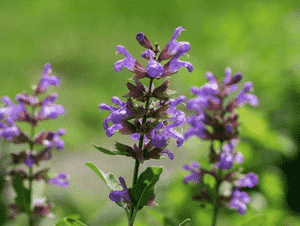
Common sage (Salvia officinalis)
Also known as: True sage, Garden sage
Salvia officinalis, widely recognized as common sage, is an evergreen subshrub that thrives in dry, rocky environments. Historically, it has been cherished for its culinary applications, imparting a distinct earthy flavor to various dishes including meats, stuffings, and vegetables. Beyond the kitchen, sage's characteristic aroma is treasured and is frequently infused into candles, potpourri, and beauty products, often paired with lemon for a refreshing scent. The plant's attractive purple flowers also make it a favorite in gardens and landscaping, adding both beauty and utility to outdoor spaces.
In This Article
Attributes of Common sage
Lifespan
Perennial
Plant Type
Herb
Plant Height
30 cm to 1 m
Spread
60 cm
Leaf Color
Green Gray Silver Yellow Purple
Flower Size
2.5 cm to 8 cm
Flower Color
Blue Purple White Pink Violet
Images of Common sage
Quickly Identify Common sage
1
Square stems with fuzzy texture, evolving to woodier texture as plant matures.
2
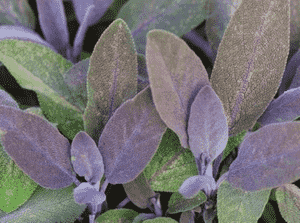
Oppositely arranged ovate leaves with smooth margins, velvety feel, and grayish-green color.
3
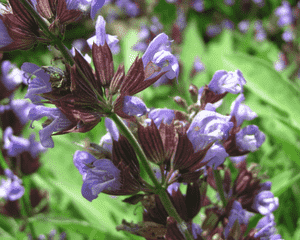
Whorls of two-lipped bluish-lavender flowers on upright spikes, attracting pollinators.
4
Fruit with schizocarp nature, containing 4 chambers with small spherical nutlets.
5
Leaves measuring 4 inches long, grayish-green with hairy surface and netted venation.
Scientific Classification of Common sage
Phylum
Vascular plants
Class
Dicotyledons
Order
Lamiales
Family
Mint
Genus
Sages
Species
Common sage
Planting and Growing of Common sage
Care Difficulty
Easy
Watering Schedule
Every 4 days
Sunlight Requirements
Full sun
Sunshine Duration
6-10 hours
Ideal Temperature
60-70℉
Soil Type
Potting Mix, Peat Mix
Soil pH
6.5-7.5
Fertilizer Type
Balanced
Pruning Season
Spring, Summer
Pruning Area
Branches, Leaves
Pruning Frequency
2 times a year
Repotting Season
Spring
Pot Type
Plastic, Ceramic
 How to Water Common sage?
When watering Salvia officinalis, it is important to thoroughly moisten the soil without causing waterlogging. Ensure that about 250 ml of water is applied each session. The soil should be moist to a depth of about an inch but not soggy. Wait until the top inch of soil has dried out before the next watering.
More About Watering Techniques→
What are the symptoms of an underwatered Common sage?
›
What should I do if my Common sage is not getting enough water?
›
What are the symptoms of an overwatered Common sage?
›
How to save an overwatered Common sage?
›
 What Are the Sunlight Requirements for Common sage?
Ideal lighting for Salvia officinalis includes full sun to partial sun environments. Ensuring adequate sunlight enhances photosynthesis, strengthens growth, encourages vibrant foliage, and boosts resilience against pests and diseases.
More About Sunlight Requirements Techniques→
How much sunlight does Salvia officinalis need?
›
What if my garden doesn't have full sun all day?
›
Can artificial lighting supplement natural sunlight?
›
 What Is the Ideal Temperature Range for Common sage?
The ideal temperature range for growing Salvia officinalis, also known as common sage, is between 60°F and 70°F. This range supports optimal plant growth and development, ensuring that the herb maintains its vitality and aromatic properties. Maintaining this temperature range helps prevent stress and promotes vigorous foliage and flowering, critical for culinary and medicinal uses.
 What Soil is Best for Common sage?
Salvia officinalis thrives in well-drained soil that prevents water from pooling around the roots, which can cause root rot. This drainage allows the roots to breathe and absorb nutrients efficiently, leading to healthier plant growth. This sage variety prefers a nutrient-rich soil that provides essential minerals. Adequate soil fertility ensures robust growth and enhances essential oil production, which is the key to its aromatic leaves. While sage likes well-drained soil, it also benefits from soil that can retain moderate moisture. This balance is crucial to ensure the plant remains hydrated, especially during its active growing seasons.
More About Soil→
 How to Fertilize Common sage?
For Salvia officinalis, the amount of fertilizer should be moderate. Use a balanced liquid fertilizer diluted to half-strength, approximately 10-10-10 NPK ratio, ensuring not to overwhelm the plant. On average, about 1 to 2 tablespoons per gallon of water should suffice for liquid feedings.
More About Fertilizing Techniques→
 How to Prune Common sage?
Before starting the pruning process, ensure that your tools are clean and sharp. Using a sharp pair of scissors or pruning shears will make clean cuts and reduce the risk of disease transmission to your Salvia officinalis. Examine your sage plant carefully. Identify any dead, damaged, or overly long stems. These will be the primary targets for pruning, as removing them will help the plant focus its energy on healthier growth. Trim the plant to maintain a bushy, rounded shape. Cut back any branches that hinder air flow through the plant's center. This not only improves its appearance but also reduces the chances of fungal infection by increasing air circulation. For older Salvia officinalis plants, consider removing up to one-third of the oldest stems at the base. This rejuvenation technique encourages new growth and can prevent the plant from becoming too woody and bare at the base.
More About Pruning Techniques→
 How to Propagate Common sage plant?
1
Fill seed trays with a sterile potting mix. Sow Salvia officinalis seeds thinly on the surface and cover lightly with soil. Water gently and maintain consistent moisture until germination.
2
Select healthy stems with multiple leaf nodes. Use sharp pruners to cut the stems just below a node. Remove leaves from the lower half to reduce moisture loss.
3
In early spring, gently dig up mature salvia plants. Use a sharp knife to divide the root system into smaller sections, ensuring each has a healthy set of roots and shoots.
 How to Repot Common sage plant?
1
Repot Salvia officinalis when you notice that roots are circling the bottom of the pot, or the plant is showing signs of being root-bound. This can often manifest in stunted growth or yellowing leaves. Choose early spring or summer when the plant is actively growing, as this promotes recovery from the repotting process.
2
Select a pot that is one size larger than the current one, with adequate drainage holes to prevent waterlogging. Terracotta pots are ideal as they allow moisture to evaporate, maintaining the ideal humidity level for Salvia officinalis. A slightly larger pot encourages growth but prevents excessive soil moisture retention.
3
Opt for a well-draining potting mix rich in organic matter. A blend with perlite or sand will help improve drainage, which is crucial to prevent root rot in Salvia officinalis. This type of soil provides the ideal balance of nutrients and aeration, encouraging healthy root development.
Learn More About Common sage Diseases
Anthracnose
Bacterial Leaf Spot
Bacterial Soft Rot
Chemical Injury
Crown Gall
Damping-off
Downy Mildew
Drought Stress
Fusarium Wilt
Gray Mold
Leaf Curl
Leaf Spot
Mosaic
Nutrient Deficiency
Nutrient Toxicity
Powdery Mildew
Root Rot
Root-knot Nematode
Rusts
Sooty Mold
Spider Mites
Temperature Stress
Thrips Damage
White Mold



