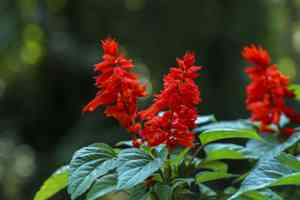
Scarlet sage (Salvia splendens)
Also known as: Tropical sage, Bonfire salvia
**Scarlet sage (Salvia splendens)** is a perennial herb originating from Brazil. Its numerous small flowers are perfectly shaped to attract hummingbirds and butterflies, making it a common feature in ornamental gardening. This plant is widely used for decorative purposes and has become a staple in indoor flower arrangements, including those found in shopping centers.
Attributes of Scarlet sage
Images of Scarlet sage
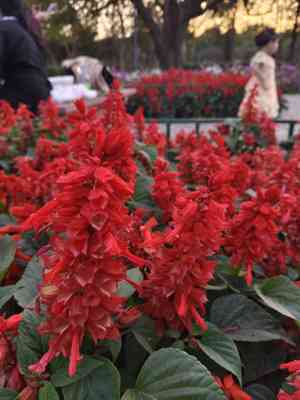
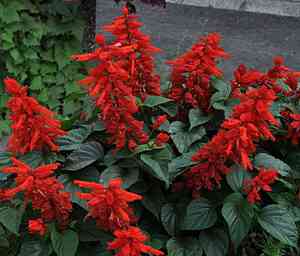
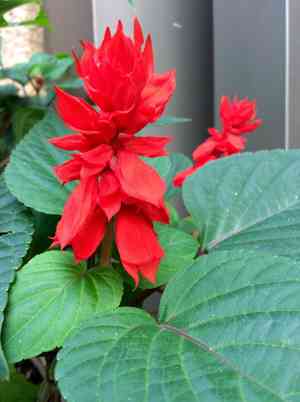
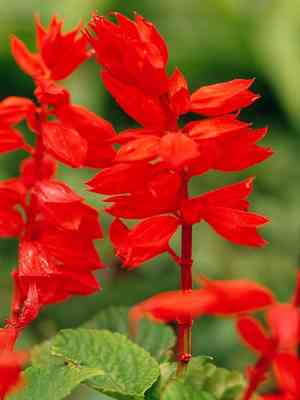
Quickly Identify Scarlet sage
Scientific Classification of Scarlet sage
Planting and Growing of Scarlet sage
 How to Water Scarlet sage?
 What Are the Sunlight Requirements for Scarlet sage?
 What Is the Ideal Temperature Range for Scarlet sage?
 What Soil is Best for Scarlet sage?
 How to Fertilize Scarlet sage?
 How to Prune Scarlet sage?
 How to Propagate Scarlet sage plant?
 How to Repot Scarlet sage plant?
Toxicity of Scarlet sage
Is Scarlet sage toxic to cat?
Scarlet sage presents a moderate toxicity hazard to cats when consumed in significant quantities. Every aspect of the plant carries some risk, and consumption can result in discomfort or illness in feline companions. It is important for pet owners to keep an eye on their cats to prevent them from eating scarlet sage. If poisoning is suspected, prompt veterinary care is crucial to safeguard the health and well-being of the affected cat.
Is Scarlet sage toxic to dog?
Scarlet sage presents a mild toxicity risk to dogs. Although cases of poisoning are relatively rare, they can happen if a dog ingests large quantities of the plant. Every part of scarlet sage is deemed toxic and could lead to negative reactions in dogs. Signs of poisoning may manifest as gastrointestinal distress, including vomiting or diarrhea, and in certain instances, more serious reactions might occur based on the quantity consumed and the individual dog's sensitivity. It is vital for dog owners to keep a close eye on their pets and restrict access to scarlet sage, particularly if they are known to chew on plants. If a dog does consume scarlet sage, seeking immediate veterinary assistance is essential to ensure appropriate treatment and management of any symptoms.



