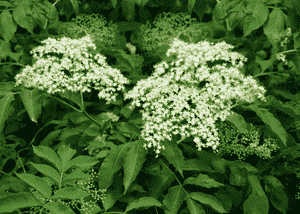
American elder(Sambucus canadensis)

American elder (Sambucus canadensis)

Also known as: American black elderberry

The American elder (Sambucus canadensis) is a native North American deciduous shrub known for its clusters of small white flowers and dark berries. The berries, when cooked, can be used in various culinary applications like jams, jellies, syrups, and pies. Additionally, both the flowers and berries can be used to make wine.

Ecologically, the shrub's dense foliage and arching branches create an ideal habitat for birds, offering both food and nesting sites. The berries are particularly attractive to birds and other wildlife, making the shrub an important part of the ecosystem.

Attributes of American elder

Lifespan
Perennial
Plant Type
Shrub, Tree
Plant Height
3 m
Spread
1.5 m to 3.5 m
Leaf Color
Green
Flower Size
5 mm to 6 mm
Flower Color
White

PlantJoy - Identify plants with a snap

Identify and diagnose plants, get toxicity alerts, and explore safety guides for all types of fungi.

Try for Free

Images of American elder

American elder(Sambucus canadensis)

Quickly Identify American elder

1
Multi-stemmed deciduous shrub or tree, 5-12 feet (1.5-3.6 meters) tall, wider than tall.
2
Pinnately compound bright green leaves with 5-11 leaflets, 2-6 inches (5-15 cm) long.
3
Fragrant creamy-white flowers in 4-10 inch (10-25 cm) clusters with showy white bracts.
4
Purple-black 1/4 inch (6.35 mm) drupes clustered in nodding clusters, harvested for culinary uses.
5
Distinctive yellowish-gray to grayish-brown bark with scattered white pith and lenticels for gas exchange.

Scientific Classification of American elder

Phylum
Vascular plants
Class
Dicotyledons
Order
Dipsacales
Family
Moschatel
Genus
Sambucus
Species
American elder

Planting and Growing of American elder

Care Difficulty
Easy
Watering Schedule
Every 8 days
Sunlight Requirements
Full sun
Sunshine Duration
6-12 hours
Ideal Temperature
60-75℉
Soil Type
Potting Mix, Peat Mix
Soil pH
6-8
Fertilizer Type
Balanced
Pruning Season
Spring, Summer
Pruning Area
Branches, Leaves
Pruning Frequency
Once a year
Repotting Season
Spring
Pot Type
Plastic, Ceramic

water icon How to Water American elder?

When watering Sambucus canadensis, ensure the soil receives approximately 1000 ml of water, allowing it to penetrate deeply until the top 5-10 cm of soil is moist. This promotes strong root growth and ensures the plant absorbs sufficient moisture.
What are the symptoms of an underwatered American elder?
What should I do if my American elder is not getting enough water?
What are the symptoms of an overwatered American elder?
How to save an overwatered American elder?

sunlight icon What Are the Sunlight Requirements for American elder?

Sunlight Requirements: Full sun, Partial sun
Duration of light: 4 to 8 hours
The ideal light condition for Sambucus canadensis is partial to full sun. Adequate sunlight encourages healthy greenery and profuse flowering, which enhances both its ecological and ornamental value.
How much sunlight does Sambucus canadensis need?
How can you achieve ideal lighting for Sambucus canadensis?
What are the benefits of optimal lighting conditions for Sambucus canadensis?
More About Sunlight Requirements Techniques

temperature icon What Is the Ideal Temperature Range for American elder?

Ideal Temperature: 60 ~ 75℉
The ideal temperature range for growing Sambucus canadensis is between 60°F to 75°F. This range promotes optimal growth and flowering, as it supports active metabolic processes while ensuring that the plant does not become stressed by excessive heat or cold.

soil icon What Soil is Best for American elder?

Soil type: Loam, Sandy loam, Clay soil
Soil PH: 6 ~ 8
The soil must have good moisture retention to support Sambucus canadensis' high water needs. This helps the plant maintain lush foliage and produce abundant flowers and berries. Sambucus canadensis thrives in nutrient-rich soils, providing essential minerals that foster robust growth and enhance the plant's immune system against pests. Ensuring the soil is well-drained is crucial to prevent root rot and promote healthy root development, allowing the plant to establish a strong foundation.

fertilize icon How to Fertilize American elder?

Fertilizer type: Balanced
For Sambucus canadensis, the ideal fertilizer amount is moderate, ensuring that the soil is enriched without overwhelming the plant. Generally, apply about 1 to 2 pounds of a balanced 10-10-10 fertilizer per 100 square feet of planting area. This ensures the plant receives adequate nutrition to support healthy growth and fruit production.

prune icon How to Prune American elder?

Pruning Time: Spring, Summer, Autumn
Begin your pruning process by identifying and removing any dead, diseased, or damaged wood. This not only improves the plant's appearance but also prevents the spread of disease. After clearing out dead wood, step back to shape the plant. Focus on creating an open structure that allows air and light to penetrate to the center. This prevents mildew and encourages strong growth. Prune about one-third of the older stems each season. Cutting them back to the base encourages vigorous new shoots, which will produce larger flowers and berries. More About Pruning Techniques

propagate icon How to Propagate American elder plant?

Propagate Time: Spring, Late spring, Early spring
1
Prepare a well-draining soil mix, ideally a blend of peat moss, perlite, and sand. This mix will ensure adequate drainage and aeration for the young plants.
2
Select a healthy branch from the parent plant and cut a segment about 4-6 inches long. Remove the lower leaves to reduce water loss and dip the cut end in rooting hormone to promote root development.
3
Sow seeds in the prepared seed trays, lightly covering with soil. Water gently to moisten the soil and place in a warm, light environment, ideally around 70°F for optimal germination.
More About Propagating Techniques

repot icon How to Repot American elder plant?

Repotting frequency: Every 2-3 years
1
Look for signs such as roots sprouting from the drainage holes, stunted growth, or the soil drying out too quickly, indicating that it's time to repot your Sambucus canadensis. These signals are crucial as they suggest the plant has outgrown its current pot.
2
Opt for a pot that is 2-3 inches larger in diameter than the current one, preferably made from breathable materials like ceramic or terracotta. These materials facilitate optimal root aeration and water evaporation, both of which are beneficial for the plant's health.
3
Use a soil mix that is rich in organic matter and offers excellent drainage properties. A well-draining mix prevents waterlogging and provides a balanced nutrient environment supporting the healthy growth of Sambucus canadensis.

PlantJoy - Identify plants with a snap

Find the best spots for them to optimize their health, simply using your phone.

Try for Free

Toxicity of American elder

Is American elder toxic to humans?

The roots, stems, leaves, seeds, and unripe berries of the American elder can pose significant toxicity risks to humans if ingested. Each of these plant parts contains dangerous alkaloids and cyanogenic glycosides, which can lead to severe health issues in individuals. Symptoms resulting from American elder poisoning encompass nausea, vomiting, diarrhea, and in severe instances, may result in difficulty breathing, organ failure, coma, or even death. Although the ripe berries of the American elder are harvested for culinary delights – being transformed into jams, jellies, pies, and wines, among other products – it is essential to exercise caution by thoroughly cooking the fruit and ensuring that all seeds are removed.

Is American elder toxic to cat?

American elder poses a toxicity risk to cats and can lead to poisoning if accidentally ingested, especially the seeds which contain harmful components. If a cat eats American elder, it may show symptoms of distress or illness. Therefore, it is crucial for cat owners to restrict access to this plant and keep a close watch on their pets. Should ingestion be suspected, it is essential to seek immediate veterinary assistance to guarantee timely and suitable treatment is provided.

Is American elder toxic to dog?

American elder is a plant that poses a significant toxicity risk to dogs. When dogs ingest this plant, particularly its seeds, they can become poisoned. This often happens accidentally when dogs wander into areas where American elder grows or when parts of the plant are within their reach. Following the ingestion of toxic components of American elder, dogs may display various symptoms that are indicative of poisoning. Therefore, it is crucial for dog owners to watch over their pets and prevent any access to American elder to avoid accidental ingestion. If a dog does consume any part of American elder, especially the seeds, it is vital to seek immediate veterinary assistance, as prompt treatment is essential for the health and well-being of the affected animal.

Identify toxic plants for your safety

Learn which plants are harmful to you and your pets, and make informed choices for a safer home!

Try for Free
WARNING
The judgment on toxicity and danger is for reference only. We DO NOT GUARANTEE any accuracy of such judgment. Therefore, you SHALL NOT rely on such judgment. It is IMPORTANT TO SEEK PROFESSIONAL ADVICE in advance when necessary.
More About Toxic Techniques

