Elder(Sambucus nigra)

Elder (Sambucus nigra)

Also known as: Common elderberry

The elder plant, despite its strong odor, has flowers and ripe berries that are safe for human consumption. However, the rest of the plant is toxic and should not be ingested. Ripe berries can be cooked and used in recipes such as jams, jellies, and chutneys, while the flowers are often made into syrups. It's advisable to seek professional guidance when harvesting these parts.

Attributes of Elder

Lifespan
Perennial
Plant Type
Shrub
Plant Height
4 m to 10 m
Spread
6 m
Leaf Color
Green Yellow
Flower Size
5 mm to 6 mm
Flower Color
White Cream

PlantJoy - Identify plants with a snap

Identify and diagnose plants, get toxicity alerts, and explore safety guides for all types of fungi.

Try for Free

Images of Elder

Elder(Sambucus nigra)

Quickly Identify Elder

1
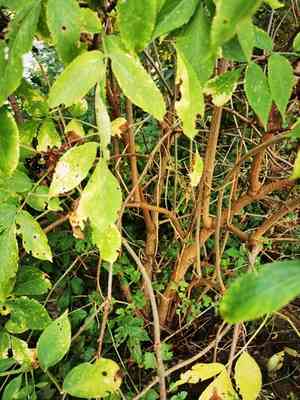
Deciduous plant, reaching 8-20 feet (2.4-6 meters) in height and width.
2
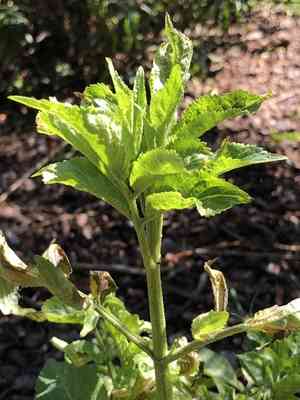
Oppositely arranged compound leaves with 3-9 serrated ovate leaflets.
3
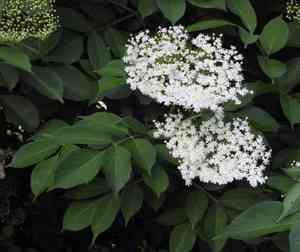
Clusters of tiny creamy-white flowers in large, flat-topped cymes.
4
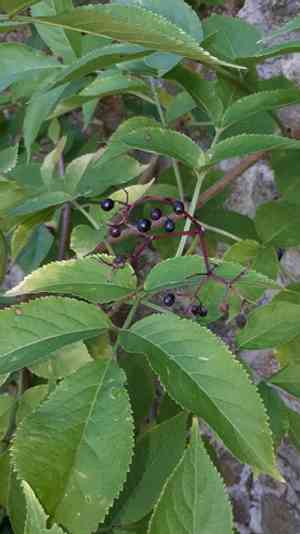
Lustrous glossy black berries measuring about 3/8 inches (1 cm) in diameter.
5
Distinct musky scent from delicate flowers during summer blooming period.

Scientific Classification of Elder

Phylum
Vascular plants
Class
Dicotyledons
Order
Honeysuckles, moschatels and allies
Family
Moschatel
Genus
Sambucus
Species
Elder

Planting and Growing of Elder

Care Difficulty
Easy
Watering Schedule
Every 8 days
Sunlight Requirements
Partial sun
Sunshine Duration
4-6 hours
Ideal Temperature
60-70℉
Soil Type
Potting Mix, Peat Mix
Soil pH
6.5-7.5
Fertilizer Type
Balanced
Pruning Season
Spring, Summer
Pruning Area
Branches, Leaves
Pruning Frequency
2 times a year
Repotting Season
Spring
Pot Type
Plastic, Ceramic

water icon How to Water Elder?

When watering Sambucus nigra, it's crucial to ensure the soil remains moist but not waterlogged. This plant prefers consistent moisture, and typically 700 ml per watering session should suffice, making sure the water reaches the roots without causing excess drainage.
What are the symptoms of an underwatered Elder?
What should I do if my Elder is not getting enough water?
What are the symptoms of an overwatered Elder?
How to save an overwatered Elder?
More About Watering Techniques

sunlight icon What Are the Sunlight Requirements for Elder?

Sunlight Requirements: Partial sun, Full sun
Duration of light: 4 to 6 hours daily
Partial to full sun exposure benefits Sambucus nigra by maintaining robust growth and improving photosynthetic efficiency. Proper lighting facilitates a balanced growth structure and supports the reproductive cycle.
How much sun does Sambucus nigra need?
How to obtain ideal lighting for Sambucus nigra?
What are the benefits of ideal lighting for Sambucus nigra?
More About Sunlight Requirements Techniques

temperature icon What Is the Ideal Temperature Range for Elder?

Ideal Temperature: 60 ~ 70℉
The ideal temperature range for Sambucus nigra, commonly known as elderberry, is between 60°F and 70°F. Within this range, the plant can photosynthesize efficiently, resulting in robust growth and healthy foliage. Consistent access to these temperatures minimizes the risk of stress due to thermal shock and promotes the development of blossoms and fruit.

soil icon What Soil is Best for Elder?

Soil type: Loam, Sandy loam, Clay soil
Soil PH: 6.5 ~ 7.5
Sambucus nigra thrives in soil that retains moisture well, ensuring the roots remain hydrated. This moisture retention is vital for optimal growth and enhances its berry production. Rich in organic matter, the soil should be fertile to provide ample nutrients. Nutrient-rich soil supports healthy foliage and improves the plant's resilience against pests and diseases. While the plant enjoys moisture, it also demands proper drainage. Well-drained soil prevents waterlogging, which could lead to root rot, safeguarding plant health and longevity. More About Soil

fertilize icon How to Fertilize Elder?

Fertilizer type: Balanced
For Sambucus nigra, a balanced fertilizer with an NPK ratio of 10-10-10 is preferred. Apply approximately 200 grams for young plants up to 1 meter in height, and adjust based on plant size and age. Over-fertilization can lead to excess foliage with few blooms. More About Fertilizing Techniques

prune icon How to Prune Elder?

Pruning Time: Spring, Summer, Winter
Start by eliminating any dead, broken, or diseased branches. Cut these branches back to healthy wood to prevent the spread of diseases or insects. Thin out the center of the shrub by removing overcrowded or crossing branches. This prevents fungal diseases by improving air flow through the plant. Trim back older branches to encourage new shoots from the base. This keeps Sambucus nigra compact and ensures vibrant new growth and better access to sunlight. More About Pruning Techniques

propagate icon How to Propagate Elder plant?

Propagate Time: Spring, Early spring
1
Select healthy, non-flowering stems, and make a clean cut just below a node. It's important to choose stems that are the right age – neither too young and soft nor too woody.
2
Use a well-draining potting mix. Add perlite or sand for improved aeration. Make sure the soil is moist but not waterlogged to foster root development.
3
Scatter seeds onto the prepared soil surface, then lightly cover them with a fine layer of compost or sand. Ensure it stays moist during the germination period, but avoid excessive watering.
More About Propagating Techniques

repot icon How to Repot Elder plant?

Repotting frequency: Every 2-3 years
1
Sambucus nigra should be repotted when you notice roots coming out from the drainage holes or if the plant looks top-heavy and unstable. Another signal is when the plant's growth has noticeably slowed, indicating the roots need more space.
2
Select a pot that's slightly larger than the current one to allow room for growth. A pot with drainage holes helps prevent root rot by allowing excess water to escape. The material of the pot can vary; clay pots allow for better air circulation.
3
Use a rich, well-draining soil mix. This type of soil provides good nutrients while preventing water retention, which is crucial for roots. A blend that includes compost, sand, and perlite offers a balanced nutrient mix and adequate drainage.
More About Repotting Techniques

PlantJoy - Identify plants with a snap

Find the best spots for them to optimize their health, simply using your phone.

Try for Free

Toxicity of Elder

Is Elder toxic to humans?

The ingestion of any unprocessed components of the elder plant can result in moderate poisoning. This encompasses the raw berries, leaves, stems, and bark. Symptoms of poisoning may manifest as vomiting, nausea, and significant diarrhea. While elderberries can be safely consumed when cooked or fermented, it is advisable that no elder-related products be ingested during pregnancy or by individuals who have allergies, gastrointestinal disorders, or those on prescribed medications. Poisoning commonly arises from either accidental intake or deliberate consumption stemming from misconceptions about safe preparation methods.

Is Elder toxic to cat?

The presence of toxicity in elderberry poses a significant threat to the health of felines, particularly when they inadvertently consume parts of the plant, including the seeds. Following ingestion, a cat may exhibit a range of symptoms indicating physical distress, such as gastrointestinal disturbances and other alarming reactions. It is essential for cat owners to be vigilant in recognizing these warning signs and to comprehend that various parts of the elderberry plant are hazardous. If a cat ingests any portion of elderberry, particularly the seeds, it is imperative to obtain prompt veterinary care to safeguard their well-being and health.

Is Elder toxic to dog?

Elder is regarded as toxic to dogs. The main way dogs can experience poisoning is through unintentional ingestion. While exploring the outdoors, a dog might mistakenly consume parts of the elder plant, which could lead to various health complications. The seeds of the elder plant are especially toxic and present a considerable danger if ingested by dogs. After consuming these harmful parts, a dog may show different symptoms associated with poisoning. These symptoms can range from vomiting and diarrhea to abdominal discomfort, and in more severe cases, lethargy or seizures depending on the amount consumed. It is vital for dog owners to keep a close watch on their pets and restrict their access to elder, particularly the seeds. If a dog does ingest any part of the elder plant, it is essential to seek prompt veterinary assistance to secure the best possible outcome for the affected dog.

Identify toxic plants for your safety

Learn which plants are harmful to you and your pets, and make informed choices for a safer home!

Try for Free
WARNING
The judgment on toxicity and danger is for reference only. We DO NOT GUARANTEE any accuracy of such judgment. Therefore, you SHALL NOT rely on such judgment. It is IMPORTANT TO SEEK PROFESSIONAL ADVICE in advance when necessary.
More About Toxic Techniques