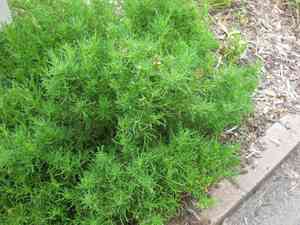
Cotton lavender(Santolina chamaecyparissus)

Cotton lavender (Santolina chamaecyparissus)

Also known as: Cypress Lavender Cotton, Grey santolina

Cotton lavender, scientifically known as **Santolina chamaecyparissus**, is a species native to the western and central Mediterranean. This plant's leaves and stems are utilized in making perfumes and insect repellents. The scientific name translates to "like ground cypress," a nod to its appearance, though it isn't genetically related to cypress trees.

Attributes of Cotton lavender

Lifespan
Perennial
Plant Type
Shrub
Plant Height
15 cm to 50 cm
Spread
60 cm to 90 cm
Leaf Color
Green Silver Gray
Flower Size
3 mm to 4 mm
Flower Color
Yellow

PlantJoy - Identify plants with a snap

Identify and diagnose plants, get toxicity alerts, and explore safety guides for all types of fungi.

Try for Free

Images of Cotton lavender

Cotton lavender(Santolina chamaecyparissus)

Quickly Identify Cotton lavender

1
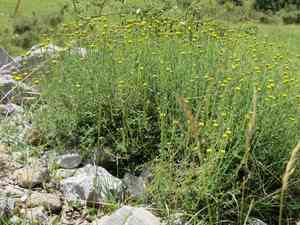
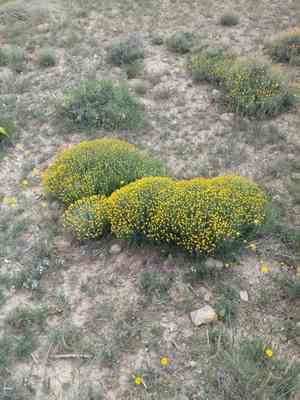
Low and dense growth habit, reaching 2 feet (60 cm) in height.
2
Hairy, gray, pinnately-lobed leaves emitting a strong aromatic scent.
3
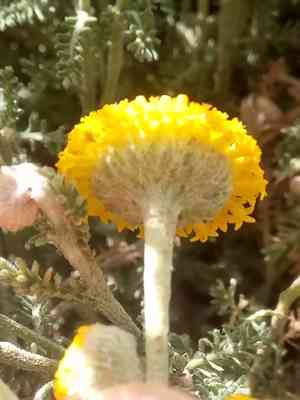
Solitary yellow flowers on 6-inch (15 cm) stalks, blooming in late spring and summer.
4
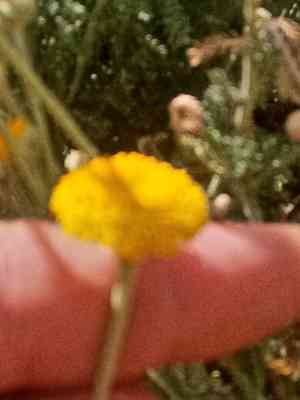
Distinct tubular, deep golden yellow flowers with button-shaped heads up to 0.8 inches (2 cm) in diameter.
5
Leaves with woolly, tomentose texture and finely divided segments up to 0.08 inches (2 mm) long.

Scientific Classification of Cotton lavender

Phylum
Vascular plants
Class
Dicotyledons
Order
Asterales
Family
Daisy
Genus
Santolina
Species
Cotton lavender

Planting and Growing of Cotton lavender

Care Difficulty
Easy
Watering Schedule
Every 2 days
Sunlight Requirements
Full sun
Sunshine Duration
6-8 hours
Ideal Temperature
60-75℉
Soil Type
Potting Mix, Peat Mix
Soil pH
6.5-7.5
Fertilizer Type
Balanced
Pruning Season
Spring, Summer
Pruning Area
Branches, Leaves
Pruning Frequency
2 times a year
Repotting Season
Spring
Pot Type
Plastic, Ceramic

water icon How to Water Cotton lavender?

For Santolina chamaecyparissus, each watering session should aim for about 200 milliliters. It's crucial to ensure that the soil is moderately moist but not waterlogged, as the plant thrives in slightly arid conditions reflective of its Mediterranean origins.
What are the symptoms of an underwatered Cotton lavender?
What should I do if my Cotton lavender is not getting enough water?
What are the symptoms of an overwatered Cotton lavender?
How to save an overwatered Cotton lavender?

sunlight icon What Are the Sunlight Requirements for Cotton lavender?

Sunlight Requirements: Full sun
Duration of light: 6 to 8 hours
Santolina should be kept in full sun, where it receives 6 to 8 hours of direct sunlight daily. Adequate sun exposure ensures healthy foliage, robust growth, and enhances its aromatic qualities.
Amount of Light Needed
Best Time for Sun Exposure
Solutions for Ideal Sunlight
More About Sunlight Requirements Techniques

temperature icon What Is the Ideal Temperature Range for Cotton lavender?

Ideal Temperature: 60 ~ 75℉
Santolina chamaecyparissus, also known as lavender cotton, thrives best when kept in a temperature range of 60 to 75 degrees Fahrenheit. This range provides optimal conditions to support its physiological processes, ensuring healthy growth and flowering. Ensuring the plant has access to these temperatures can help mimic its native Mediterranean environment.

soil icon What Soil is Best for Cotton lavender?

Soil type: Sandy soil, Sandy loam, Calcareous soil
Soil PH: 6.5 ~ 7.5
Santolina chamaecyparissus thrives best in well-drained soils that prevent waterlogging. This requirement helps prevent root rot and ensures the roots receive sufficient oxygen, promoting healthy growth and flowering of the plant. This plant prefers soils that are not overly rich in nutrients, as too much fertility can lead to leggy and weak growth. Keeping the soil nutrient-poor aligns with its native Mediterranean habitat, ensuring compact and robust foliage. With its ability to tolerate alkaline conditions, Santolina chamaecyparissus can be grown in calcareous soils. These conditions help maintain the plant’s essential oil production, which is responsible for its distinct aroma and pest resistance.

fertilize icon How to Fertilize Cotton lavender?

Fertilizer type: Balanced
When applying fertilizer to Santolina chamaecyparissus, less is more. Use half the recommended strength of a balanced liquid fertilizer during the growing season. Over-fertilization can lead to weak, leggy growth. A light, infrequent application ensures a healthy compact form.

prune icon How to Prune Cotton lavender?

Pruning Time: Spring, Summer, Autumn
Begin by using clean, sharp shears to trim back the woody stems of Santolina chamaecyparissus, focusing on retaining its dome-shaped appearance. Cut just above a node or where you observe new growth, stimulating bushier development. For mature plants, aim to reduce about one-third of the growth to balance the plant's structure. Rejuvenation involves cutting the plant back more vigorously to encourage new, healthy growth. This is best done in the spring. Remove dead or damaged stems first, then cut back the older wood to encourage fresh growth. Ensure to water the plant well after heavy pruning to support its recovery. More About Pruning Techniques

propagate icon How to Propagate Cotton lavender plant?

Propagate Time: Spring, Early Summer
1
Collect seeds once flowering has ended and sow them in seed trays with a fine seed-starting mix. Cover lightly with soil and keep moist until germination occurs, usually within 2-3 weeks.
2
In early summer, select non-flowering stems and cut 5-10cm segments. Dip the base in rooting hormone and plant in pre-moistened soil, maintaining high humidity to encourage rooting.
3
During spring, carefully lift mature plants and separate the clumps by hand or with a sharp spade. Replant divisions immediately at the same depth as they were originally growing.
More About Propagating Techniques

repot icon How to Repot Cotton lavender plant?

Repotting frequency: Every 2-3 years
1
Repotting Santolina chamaecyparissus is best done when you notice reduced growth or roots circling the pot. Spring and summer are ideal seasons as the plant is actively growing and can recover swiftly. Be attentive to signs like soil drying out very quickly after watering.
2
Select a pot that's one size larger than the current one to accommodate growth, preferably made of terracotta for breathability. This material allows better air flow and prevents overwatering, which is critical for the plant's health.
3
Opt for a well-draining sandy soil mix; this aids in simulating its natural habitat in the Mediterranean. The quick drainage prevents root rot, a common issue if the roots remain soggy for extended periods.

PlantJoy - Identify plants with a snap

Find the best spots for them to optimize their health, simply using your phone.

Try for Free

Toxicity of Cotton lavender

Is Cotton lavender toxic to cat?

Cotton lavender possesses a low level of toxicity and can present a health hazard to cats if they consume it in significant amounts. The toxic components of cotton lavender are primarily found in its leaves, which may lead to signs of physical distress or illness in a cat that ingests them. In cases where a cat has interacted with cotton lavender, it is vital to seek prompt veterinary assistance to address any prospective health concerns. While the exact toxic agents are not specified, the focus remains on the importance of an immediate response and appropriate treatment to protect the cat's health and safety.

Is Cotton lavender toxic to dog?

Cotton lavender is regarded as having a mild toxicity level for dogs. This plant can poison dogs primarily when ingested in substantial amounts. The toxic part of cotton lavender is its leaves, which may cause harm if consumed. If a dog swallows a considerable quantity of cotton lavender, it might display symptoms like gastrointestinal distress, vomiting, or diarrhea. It is essential for dog owners to keep a close eye on their pets and restrict their access to areas where cotton lavender is present, particularly when unsupervised. Should a dog show any signs of poisoning after consuming cotton lavender, it is crucial to seek prompt veterinary care to facilitate appropriate treatment and recovery.

Identify toxic plants for your safety

Learn which plants are harmful to you and your pets, and make informed choices for a safer home!

Try for Free
WARNING
The judgment on toxicity and danger is for reference only. We DO NOT GUARANTEE any accuracy of such judgment. Therefore, you SHALL NOT rely on such judgment. It is IMPORTANT TO SEEK PROFESSIONAL ADVICE in advance when necessary.
More About Toxic Techniques