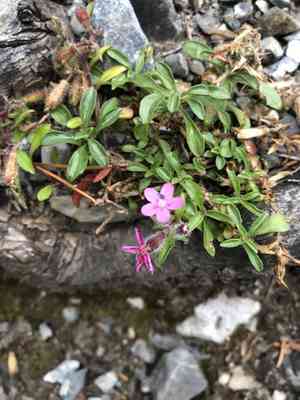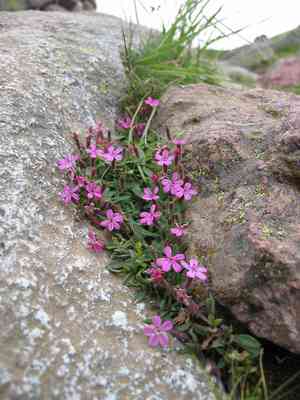
Rock soapwort(Saponaria ocymoides)

Rock soapwort (Saponaria ocymoides)

Also known as: Rock Soapwort, Tumbling Ted, Soapwort

Creeping thyme (Thymus serpyllum) is a perennial herb native to Europe and Asia. Often used as ground cover in gardens, it features aromatic leaves and produces small, vibrant pink or purple flowers that attract bees and butterflies. This plant thrives in well-drained soil and can spread across rock walls and garden beds.

Attributes of Rock soapwort

Lifespan
Perennial, Annual
Plant Type
Herb
Plant Height
10 cm to 40 cm
Spread
30 cm to 60 cm
Leaf Color
Green
Flower Size
1.2 cm to 1.8 cm
Flower Color
Pink White Purple

PlantJoy - Identify plants with a snap

Identify and diagnose plants, get toxicity alerts, and explore safety guides for all types of fungi.

Try for Free

Images of Rock soapwort

Rock soapwort(Saponaria ocymoides)

Quickly Identify Rock soapwort

1
Low-growing matlike habit with bright pink blossoms
2
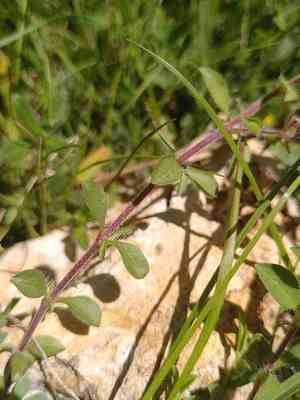
Small, teardrop-shaped leaves with pinnate vein pattern
3
Clusters of purplish pink star-like flowers, 0.4 inches (1 cm) across
4
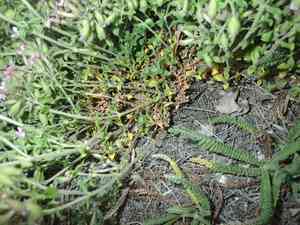
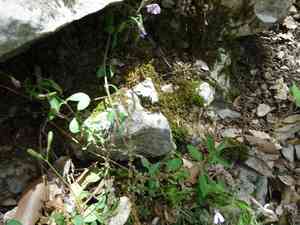
Drought-tolerant with stems spaced 10 to 16 inches (25 to 40 cm) apart
5
Delicate flowers emit a mild, pleasant scent during late spring to early summer

Scientific Classification of Rock soapwort

Phylum
Vascular plants
Class
Dicotyledons
Order
Caryophyllales
Family
Pink
Genus
Soapworts
Species
Rock soapwort

Planting and Growing of Rock soapwort

Care Difficulty
Easy
Watering Schedule
Every 3 days
Sunlight Requirements
Full sun
Sunshine Duration
6-8 hours
Ideal Temperature
60-70℉
Soil Type
Potting Mix, Peat Mix
Soil pH
6.5-7.5
Fertilizer Type
Balanced
Pruning Season
Spring, Summer
Pruning Area
Branches, Leaves
Pruning Frequency
2 times a year
Repotting Season
Spring
Pot Type
Plastic, Ceramic

water icon How to Water Rock soapwort?

Saponaria ocymoides thrives when watered moderately. Aim for 150ml each time, ensuring the soil is moist but not soggy. The key is to let the top inch of soil dry before watering again, maintaining a balanced moisture level.
What are the symptoms of an underwatered Rock soapwort?
What should I do if my Rock soapwort is not getting enough water?
What are the symptoms of an overwatered Rock soapwort?
How to save an overwatered Rock soapwort?

sunlight icon What Are the Sunlight Requirements for Rock soapwort?

Sunlight Requirements: Full sun, Partial sun
Duration of light: 6 to 8 hours
Saponaria ocymoides performs well under full to partial sun. Ideal conditions promote lush growth and abundant blooms, enhancing its ornamental value and maintaining plant health.
What is the best light condition for Saponaria ocymoides?
How to achieve ideal lighting for Saponaria ocymoides?
Benefits of ideal light for Saponaria ocymoides?
More About Sunlight Requirements Techniques

temperature icon What Is the Ideal Temperature Range for Rock soapwort?

Ideal Temperature: 60 ~ 70℉
The ideal temperature range for Saponaria ocymoides is between 60°F and 70°F. This range allows for optimal enzymatic and metabolic activities in the plant, supporting healthy growth and blooming. It is important to maintain consistent temperatures within this range to ensure the plant remains vigorous and produces vibrant flowers.

soil icon What Soil is Best for Rock soapwort?

Soil type: Sandy loam, Loam, Calcareous soil
Soil PH: 6.5 ~ 7.5
Saponaria ocymoides thrives in well-drained soils that prevent waterlogging. This is crucial as it helps the roots breathe, reducing the risk of root rot and promoting healthier plant growth. The plant prefers soils with moderate nutrient levels. Sufficient organic matter supports growth and bloom proliferation, providing the plant with essential nutrients without overwhelming its system. A loose soil structure encourages root penetration and expansion. This facilitates better nutrient and water uptake, ensuring that the plant remains vigorous and resilient to drought.

fertilize icon How to Fertilize Rock soapwort?

Fertilizer type: Balanced
Saponaria ocymoides requires careful attention to fertilizer amounts. In spring, a balanced liquid fertilizer diluted to half strength should be applied bi-weekly. For slow-release options, use approximately 50 grams per square meter annually. Over-fertilizing can be harmful.

prune icon How to Prune Rock soapwort?

Pruning Time: Spring, Summer
Start by examining the plant and target overgrown, damaged, or dead stems. These are the primary candidates for removal. This process improves air circulation and sunlight exposure, essential factors for healthy plant growth. The best time to prune Saponaria ocymoides is just after it has finished blooming. This ensures that you do not inadvertently remove buds that will transform into flowers in the next bloom cycle, maximizing its flowering potential. More About Pruning Techniques

propagate icon How to Propagate Rock soapwort plant?

Propagate Time: Spring, Early summer
1
Harvest seeds from mature Saponaria ocymoides plants after flowering when the seed pods have dried. Ensure the seeds are fully ripened to increase your chances of successful germination.
2
Select healthy, disease-free stems for cuttings. Cut about 4-6 inches from the tip of a strong stem. Remove the lower leaves and any buds near the base of the cutting.
3
Carefully dig around the base of the plant and separate sections of the root mass containing both roots and shoots. Each section should have enough root structure to sustain the plant after division.
More About Propagating Techniques

repot icon How to Repot Rock soapwort plant?

Repotting frequency: Every 2-3 years
1
It's time to repot Saponaria ocymoides when you observe roots growing out of the drainage holes or when the plant becomes top-heavy and prone to tipping. Another signal is if the soil dries out too quickly after watering, suggesting the plant may be root-bound.
2
Select a pot that is 1-2 inches larger in diameter than the current container. Ensure it has adequate drainage holes to prevent waterlogging, which can lead to root rot. A slightly heavier pot might be beneficial to anchor the plant and prevent it from toppling over.
3
Opt for a well-draining potting mix, ideally one with a sandy component to enhance aeration. This type of soil prevents root rot by allowing excess water to drain efficiently, thus mimicking the plant's native, rocky environments.

PlantJoy - Identify plants with a snap

Find the best spots for them to optimize their health, simply using your phone.

Try for Free

Toxicity of Rock soapwort

Is Rock soapwort toxic to humans?

Rock soapwort is rich in saponins, present in sufficient quantities to serve as a fish toxin. However, humans do not experience poisoning in the same manner; rather, their reaction resembles the effects of consuming soap. Ingesting this plant may lead to symptoms such as nausea, vomiting, excessive salivation, abdominal cramps, and diarrhea, with effects typically intensifying with larger quantities. Young children are particularly vulnerable, as even small amounts of the plant can lead to significant illness. It is essential to keep this plant out of reach of children and to ensure it is kept away from any fish ponds.

Is Rock soapwort toxic to cat?

Rock soapwort possesses a low level of toxicity for cats, as every part of the plant can be harmful when ingested in significant amounts. If a cat consumes it, they may display various signs of distress, which could manifest as vague symptoms associated with physical discomfort. It is essential for cat owners to vigilantly supervise their pets and prevent them from consuming any part of rock soapwort. If a cat becomes unwell after eating rock soapwort, an immediate visit to the veterinarian is crucial to reduce health risks and ensure appropriate treatment.

Is Rock soapwort toxic to dog?

Rock soapwort is recognized as being mildly toxic to dogs. If dogs consume this plant in significant quantities, they can become poisoned. All parts of rock soapwort possess toxic properties, implying that ingestion of any segment could lead to potential poisoning. After a dog ingests rock soapwort, symptoms may manifest as gastrointestinal distress, including vomiting or diarrhea, and in some cases, more serious reactions might occur based on the amount ingested. It is essential for pet owners to supervise their dogs and restrict their access to rock soapwort, particularly if the dog has a habit of chewing on plants. Should a dog be suspected of having ingested rock soapwort, it is vital to seek prompt veterinary assistance to ensure effective treatment and symptom management.

Identify toxic plants for your safety

Learn which plants are harmful to you and your pets, and make informed choices for a safer home!

Try for Free
WARNING
The judgment on toxicity and danger is for reference only. We DO NOT GUARANTEE any accuracy of such judgment. Therefore, you SHALL NOT rely on such judgment. It is IMPORTANT TO SEEK PROFESSIONAL ADVICE in advance when necessary.
More About Toxic Techniques