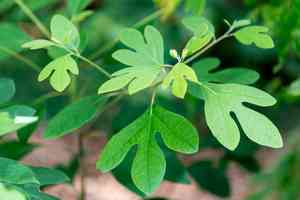
Common sassafras (Sassafras albidum)
Also known as: Red sassafras
The common sassafras tree (Sassafras albidum) is frequently found along woodland edges, fields, roadsides, and fence rows in the eastern United States. Traditionally, Native Americans utilized various parts of the tree for medicinal and culinary purposes. The tree's roots were notably used to flavor homemade root beer, although this practice has diminished due to concerns about safrole, a compound in the plant that has been identified as potentially carcinogenic. The leaves were also used to make filé powder, an important ingredient in Creole cooking.
Attributes of Common sassafras
Images of Common sassafras
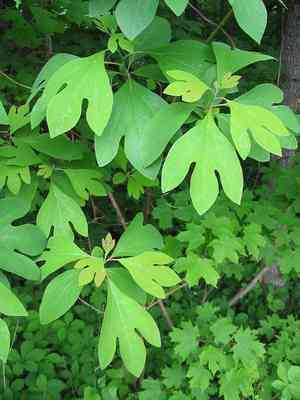

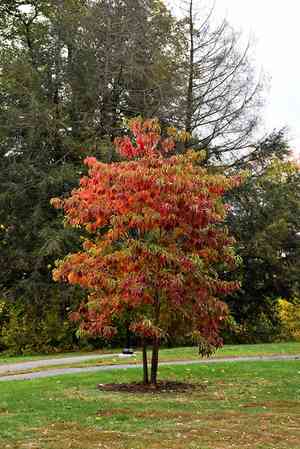
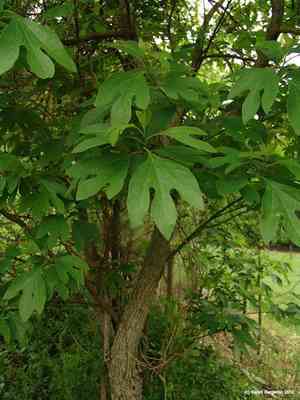
Quickly Identify Common sassafras
Scientific Classification of Common sassafras
Planting and Growing of Common sassafras
 How to Water Common sassafras?
 What Are the Sunlight Requirements for Common sassafras?
 What Is the Ideal Temperature Range for Common sassafras?
 What Soil is Best for Common sassafras?
 How to Fertilize Common sassafras?
 How to Prune Common sassafras?
 How to Propagate Common sassafras plant?
 How to Repot Common sassafras plant?
Toxicity of Common sassafras
Is Common sassafras toxic to humans?
The hazardous characteristics found in common sassafras can trigger adverse reactions in humans upon contact with or ingestion of the oil. These reactions may be serious and could potentially result in organ damage or lead to cancer. The oil, derived from the root, possesses a particularly high level of toxicity, even in minimal doses, due to the presence of safrole. Contact with this oil may result in skin rashes, whereas ingestion can provoke sweating, elevated blood pressure, hallucinations, and vomiting. Individuals may be tempted to utilize the oil for medicinal purposes without fully understanding its toxic attributes.
Is Common sassafras toxic to cat?
The common sassafras is a plant species known to be toxic to cats. When felines consume the plant, particularly its bark, they face significant risks. This exposure typically happens when cats accidentally eat the bark, which can result in serious health complications. Cat owners must remain alert for any signs of distress or illness, as these could signal potential poisoning. Prompt veterinary attention is essential to address the health hazards linked to the ingestion of common sassafras, as swift treatment plays a critical role in the recovery of the affected cat.
Is Common sassafras toxic to dog?
The common sassafras plant is known to be toxic to dogs. If a dog consumes any part of this plant, especially the bark, it may result in poisoning. Pet owners must be alert since dogs could unintentionally ingest portions of common sassafras, leading to a range of symptoms that indicate toxicity. Although the exact toxic compounds are not specified, it is essential for pet guardians to be aware of indicators of distress in their pets, including vomiting, diarrhea, lethargy, or alterations in behavior that may imply poisoning due to common sassafras. If a dog shows any of these symptoms after exposure to common sassafras, it is crucial to obtain immediate veterinary assistance to ensure the animal's well-being.



