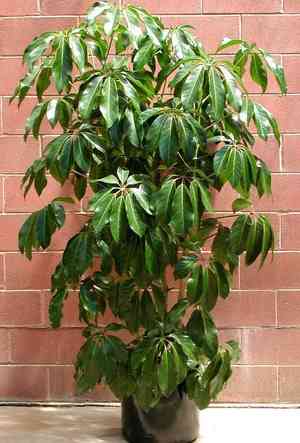
Octopus tree (Schefflera actinophylla)
Also known as: Australian umbrella tree, Ivy tree
The Weeping Lilly Pilly, native to Queensland, Australia, is notable for its unique drooping foliage. Often referred to as the "Australian umbrella tree," this evergreen species can be quite aggressive due to its invasive root system, which can overwhelm other plants in the area.
Attributes of Octopus tree
Images of Octopus tree
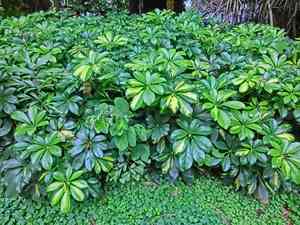
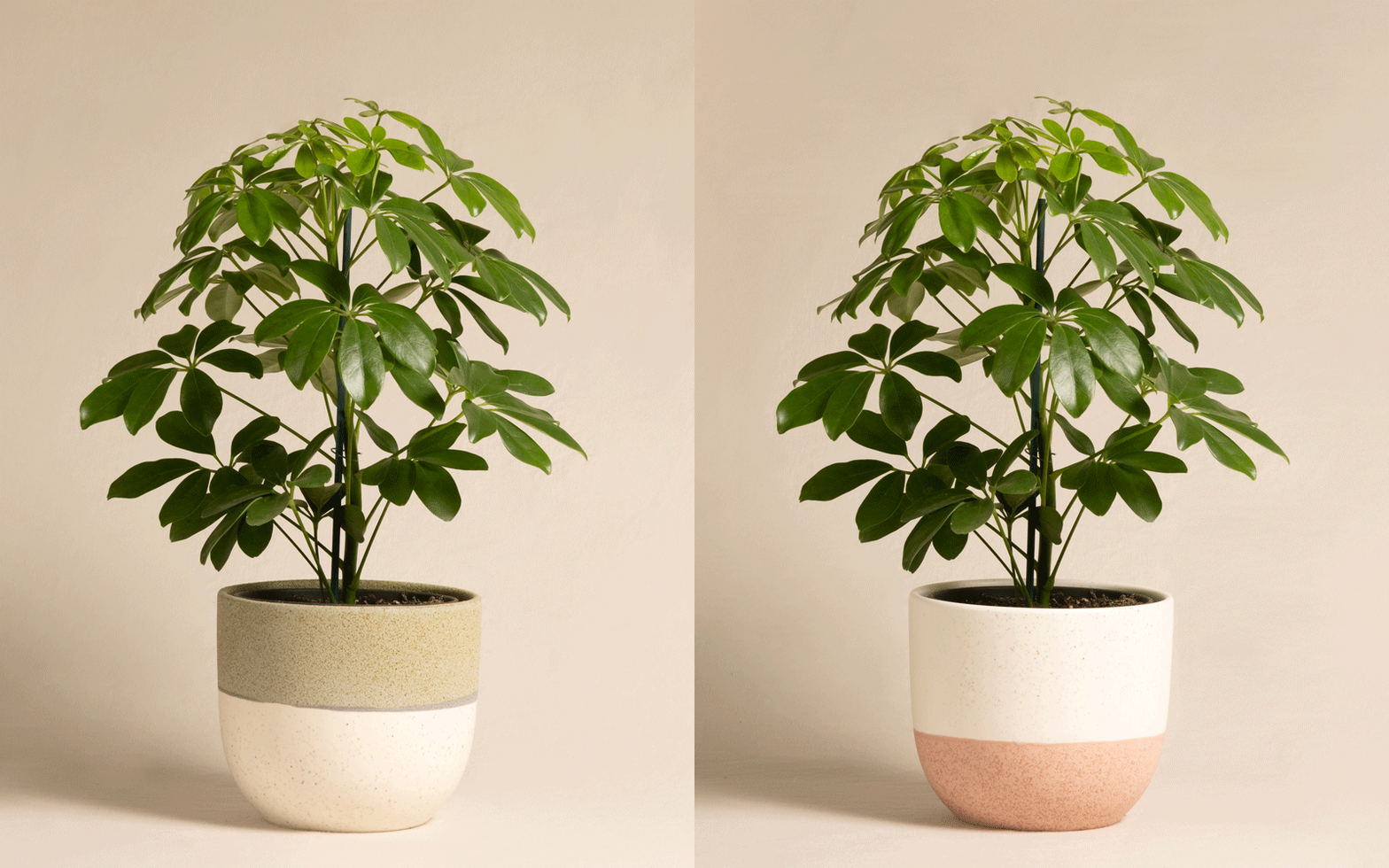
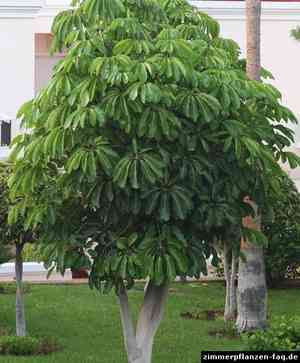
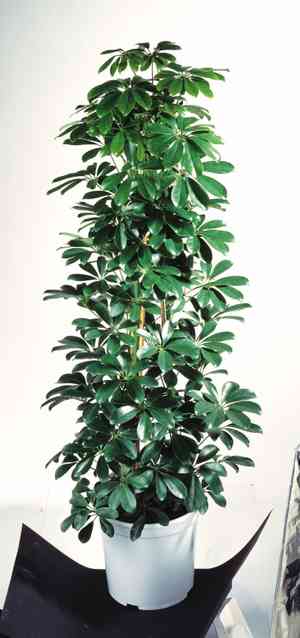
Quickly Identify Octopus tree
Scientific Classification of Octopus tree
Planting and Growing of Octopus tree
 How to Water Octopus tree?
 What Are the Sunlight Requirements for Octopus tree?
 What Is the Ideal Temperature Range for Octopus tree?
 What Soil is Best for Octopus tree?
 How to Fertilize Octopus tree?
 How to Prune Octopus tree?
 How to Propagate Octopus tree plant?
 How to Repot Octopus tree plant?
Toxicity of Octopus tree
Is Octopus tree toxic to humans?
The Octopus tree is a plant that can be potentially harmful to humans if either touched or ingested, though the resulting effects are typically mild. Various parts of this plant, including the resin, roots, leaves, and bark, are known to carry toxicity due to the presence of calcium oxalate crystals. When the resin comes in contact with skin, it can lead to irritation, while consuming any toxic components can result in symptoms such as nausea and vomiting. In the most severe instances, there could be a risk of kidney failure. Therefore, it is important to wear gloves when handling or pruning this plant, as this may cause the resin to be released.
Is Octopus tree toxic to cat?
The Octopus tree (Schefflera actinophylla) possesses a moderate level of toxicity for cats, primarily due to the presence of saponins alongside other harmful substances that can lead to reduced appetite or leucopenia. Nevertheless, the most frequently observed symptoms are generally restricted to vomiting or diarrhea. Consuming any portion of this plant can trigger these symptoms, and it is advisable to consult a veterinarian if they persist.
Is Octopus tree toxic to dog?
Your dog might come across the octopus tree as part of your home decor; it is essential to keep them clear of its moderately toxic foliage and stems. The sap present throughout the entire plant contains calcium oxalate crystals that can lead to excruciating pain and irritation upon contact with the skin, mouth, and digestive tract. If your dog consumes a significant quantity of the plant, the resulting swelling could potentially obstruct breathing. Visiting the veterinarian is strongly recommended.



