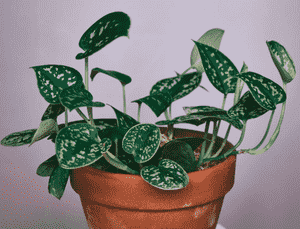
Satin pothos (Scindapsus pictus)
Also known as: Satin Pothos, Silk Pothos
The satin pothos is a commonly cultivated houseplant that is native to Bangladesh, Thailand, Malaysia, Borneo, and the Philippines. Due to the location of its natural habitat, the satin pothos must maintain a minimum temperature of 15 ℃.
Attributes of Satin pothos
Images of Satin pothos

Quickly Identify Satin pothos
Scientific Classification of Satin pothos
Toxicity of Satin pothos
Is Satin pothos toxic to humans?
Every part of the satin pothos plant possesses a moderate level of toxicity to humans when consumed, primarily caused by the insoluble calcium oxalates found in its sap. Symptoms can manifest as irritation and swelling of the tongue, lips, and throat, accompanied by excessive drooling, vomiting, diarrhea, and stomach cramps. Direct skin exposure to the sap may provoke negative reactions, especially dermatitis. Being a popular houseplant, satin pothos may increase the likelihood of poisoning, particularly among inquisitive children or through skin contact while tending to the plant.
Is Satin pothos toxic to cat?
The trailing vines of satin pothos (Scindapsus pictus) make this popular houseplant an appealing object for curious cats. It is crucial to prevent them from nibbling on the leaves, as the sap may induce intense pain in a cat's mouth, gastrointestinal problems, and even lead to death. While there is no antidote for satin pothos toxicity, contacting a veterinarian immediately after ingestion is necessary to develop an appropriate treatment strategy.
Is Satin pothos toxic to dog?
Satin pothos poses a mild to severe toxicity risk to dogs, depending on the quantity consumed. Fortunately, dogs usually only nibble small bits of this plant, which has a distinctly bitter taste that often leads to immediate discomfort. The entire plant contains calcium oxalate, which can induce a sharp burning sensation in and around the mouth upon ingestion. Additionally, it frequently irritates the gastrointestinal tract, resulting in symptoms such as abdominal pain, diarrhea, and vomiting. In rare instances, consuming large amounts of calcium oxalate may lead to seizures, coma, or even death.



