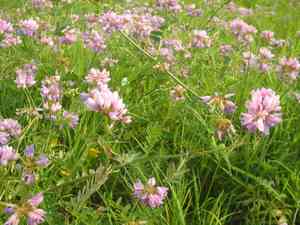
Common crownvetch (Securigera varia)
Also known as: Crown Vetch, Purple Crown Vetch
Kudzu (Pueraria montana) is a fast-growing vine commonly used for soil erosion control due to its extensive root system, which stabilizes the soil effectively. This plant is notoriously invasive in the United States, spreading rapidly and overtaking native vegetation. While kudzu is toxic to horses, it is not harmful to cows.
Attributes of Common crownvetch
Images of Common crownvetch
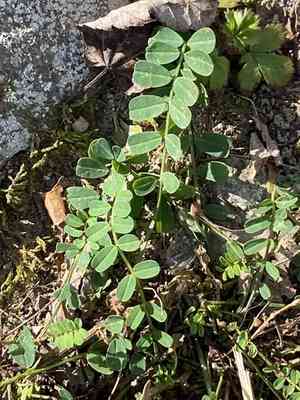
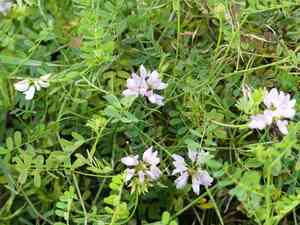
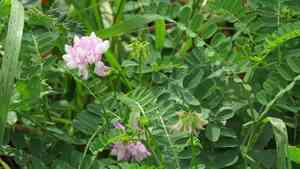
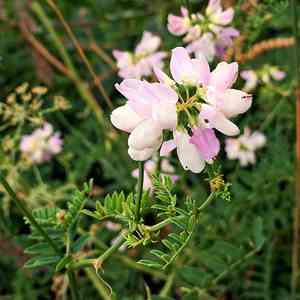
Quickly Identify Common crownvetch
Scientific Classification of Common crownvetch
Planting and Growing of Common crownvetch
 How to Water Common crownvetch?
 What Are the Sunlight Requirements for Common crownvetch?
 What Is the Ideal Temperature Range for Common crownvetch?
 What Soil is Best for Common crownvetch?
 How to Fertilize Common crownvetch?
 How to Prune Common crownvetch?
 How to Propagate Common crownvetch plant?
 How to Repot Common crownvetch plant?
Toxicity of Common crownvetch
Is Common crownvetch toxic to cat?
Common crownvetch is harmful to cats. Cats may accidentally ingest this plant, leading to exposure. Every part of common crownvetch is toxic, posing a risk to felines that encounter any section of the plant. Indicators that a cat has been poisoned by common crownvetch include various symptoms of physical distress or illness; the intensity of these symptoms can differ. It is vital for cat owners to remain watchful and seek immediate veterinary assistance if there are any concerns regarding poisoning. Timely intervention is crucial for mitigating the impacts of the toxicity.
Is Common crownvetch toxic to dog?
Common crownvetch is deemed toxic to dogs. Canines might unintentionally consume portions of this plant, which can result in poisoning. The entirety of the plant is dangerous, signifying that any ingested segment presents a potential hazard. Signs of poisoning in dogs may encompass gastrointestinal distress, lethargy, and possibly more severe health issues depending on the quantity ingested. It is essential for dog owners to vigilantly supervise their pets and restrict access to common crownvetch. In the event that a dog does ingest common crownvetch, seeking immediate veterinary assistance is vital to address the symptoms and secure the animal's health and safety.



