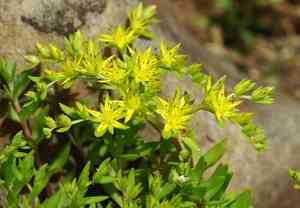
Stringy stonecrop (Sedum sarmentosum)
Also known as: Graveyard moss, Trailing stonecrop
Goldmoss stonecrop is a perennial plant characterized by stems reaching up to 25 cm in length and yellow-green, star-shaped flowers. This plant is very easy to propagate; you can simply insert a stem into the soil at your chosen spot, and it will typically take root and grow.
In This Article
Attributes of Stringy stonecrop
Lifespan
Perennial
Plant Type
Succulent, Vine, Herb
Plant Height
15 cm
Spread
45 cm to 60 cm
Leaf Color
Green Yellow Gold
Flower Size
5 mm to 8 mm
Flower Color
Yellow
Images of Stringy stonecrop
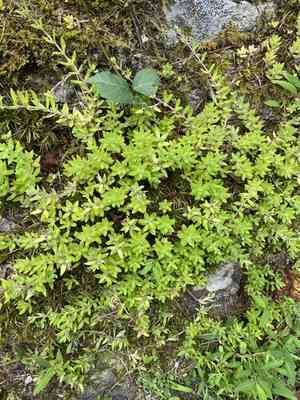
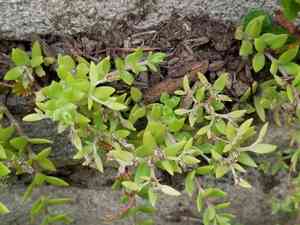
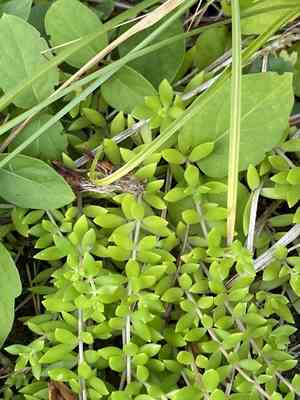
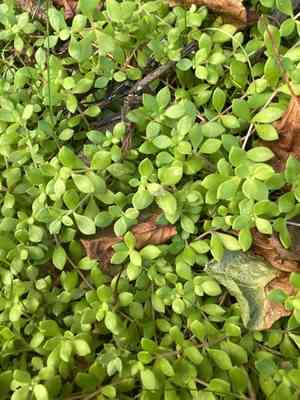
Quickly Identify Stringy stonecrop
1
Whorls of three lanceolate leaves, 1 inch (2.5 cm) long, yellow-green with visible parallel veins.
2
Vibrant yellow star-shaped flowers, 0.5 inches (1.3 cm) wide, blooming profusely in summer clusters.
3
Sprawling mat of fleshy yellow-green leaves up to 10 inches (25 cm) wide, thriving in dry, rocky terrain.
4
Shallow root system for easy removal, propagates rapidly with roots at stem nodes.
5
Thrives in full to partial sunlight, requires well-drained soil and dry periods between waterings.
Scientific Classification of Stringy stonecrop
Phylum
Vascular plants
Class
Dicotyledons
Order
Saxifrages, stonecrops and allies
Family
Stonecrop
Genus
Stonecrops
Species
Stringy stonecrop
Planting and Growing of Stringy stonecrop
Care Difficulty
Easy
Watering Schedule
Every 3 days
Sunlight Requirements
Partial sun
Sunshine Duration
6-10 hours
Ideal Temperature
65-75℉
Soil Type
Potting Mix, Peat Mix
Soil pH
6.5-7.5
Fertilizer Type
Balanced
Pruning Season
Spring, Summer
Pruning Area
Branches, Leaves
Pruning Frequency
2 times a year
Repotting Season
Spring
Pot Type
Plastic, Ceramic
 How to Water Stringy stonecrop?
For Sedum sarmentosum, ensure that the soil is moistened thoroughly without becoming waterlogged. Aim for about 150ml per watering session, which allows the plant to take up what it needs while preventing excess moisture that could cause root rot.
More About Watering Techniques→
What are the symptoms of an underwatered Stringy stonecrop?
›
What should I do if my Stringy stonecrop is not getting enough water?
›
What are the symptoms of an overwatered Stringy stonecrop?
›
How to save an overwatered Stringy stonecrop?
›
 What Are the Sunlight Requirements for Stringy stonecrop?
Sedum sarmentosum thrives under ideal light conditions, which involve four to six hours of partial to full sunlight daily. This exposure ensures vigorous growth, improved coloration, and resilience against environmental stress.
More About Sunlight Requirements Techniques→
How much light does Sedum sarmentosum need?
›
What is the ideal location for growing Sedum sarmentosum?
›
What are the benefits of providing optimal light conditions?
›
 What Is the Ideal Temperature Range for Stringy stonecrop?
The ideal temperature range of 65°F to 75°F allows Sedum sarmentosum to maintain optimal physiological processes. Temperature affects enzyme activity, photosynthesis rates, and water usage, all of which impact growth and health. Staying within this range helps ensure the plant's cellular activities and metabolic functions are working efficiently.
 What Soil is Best for Stringy stonecrop?
Sedum sarmentosum prefers well-drained soil to prevent root rot. A porous soil structure helps excess water escape, allowing roots to breathe and absorb nutrients effectively. This ensures the plant remains healthy and vibrant. While this plant isn't very demanding, moderately fertile soil provides necessary nutrients that support its growth and flowering. A balanced nutrient level helps in sustaining lush foliage and consistent blooming. Loose, aerated soil is essential for Sedum sarmentosum as it allows for proper root expansion and gas exchange. This promotes vigorous growth and a strong root system that enhances the plant's resilience.
More About Soil→
 How to Fertilize Stringy stonecrop?
For Sedum sarmentosum, a generous yet modest approach is best; use about 1/4 strength liquid fertilizer every two weeks during the growing season. This ensures that nutrients are adequate without overwhelming the plant's delicate system. When applying slow-release granules, sprinkle lightly as a top dressing, enough to cover the base but not smother it, ensuring a steady supply of nutrients over months.
 How to Prune Stringy stonecrop?
Start pruning Sedum sarmentosum by using clean, sharp scissors or pruning shears. Focus on cutting back any leggy, overgrown, or unkempt stems by about a third of their length. This will encourage a more compact growth pattern. Always make clean cuts just above a set of leaves, promoting a tidy appearance. If you spot any dead or diseased portions, remove them completely to prevent issues from spreading. Remember, a gentle touch is key, as this plant responds well to light, frequent trimming, allowing it to thrive with minimal stress.
 How to Propagate Stringy stonecrop plant?
1
Choose robust and healthy plants to take cuttings from. Ensure the plant is free from disease and pests, as this will increase the chance of successful propagation.
2
Cut a section of the stem, about 3-4 inches long, making sure that each cutting has at least a few leaves. Remove the leaves from the lower half of the cutting.
3
Insert the cut end of the stem into a pot filled with well-draining soil mix. Water lightly to settle the soil around the cutting.
 How to Repot Stringy stonecrop plant?
1
Identify the need to repot Sedum sarmentosum when the roots begin to outgrow the current pot, emerging from drainage holes. Another signal is when the plant shows stunted growth, indicating it requires more space and fresh nutrients. Ideally, repot in spring or early summer when the plant is actively growing.
2
Select a pot that is one size larger than the current one to ensure enough space for root expansion. Opt for a pot with drainage holes to prevent waterlogging, which can cause root rot. A heavier pot is also beneficial because it helps stabilize the plant as it grows.
3
A well-draining cactus or succulent mix is ideal for Sedum sarmentosum. This type of soil allows excess water to drain quickly, preventing the roots from sitting in moisture. The mix mimics the plant’s natural rocky habitat, promoting healthy growth and resilience.
Learn More About Stringy stonecrop Diseases
Anthracnose
Bacterial Leaf Spot
Bacterial Soft Rot
Chemical Injury
Crown Gall
Damping-off
Drought Stress
Fusarium Wilt
Gray Mold
Leaf Spot
Mosaic
Nutrient Deficiency
Nutrient Toxicity
Powdery Mildew
Root Rot
Root-knot Nematode
Rusts
Sooty Mold
Spider Mites
Temperature Stress
Thrips Damage
White Mold



