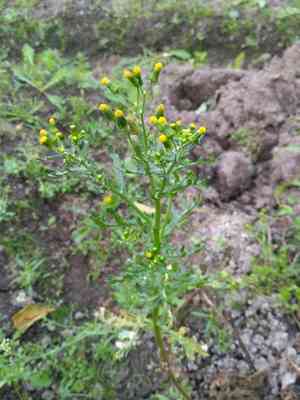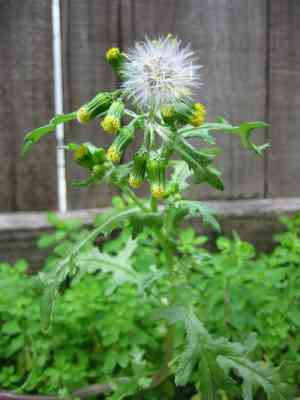
Common groundsel(Senecio vulgaris)

Common groundsel (Senecio vulgaris)

Also known as: Common ragwort

**Annual sow thistle (Sonchus oleraceus)** is an annual flowering herb related to daisies. Its yellow flowers look similar to immature dandelions but do not fully open like them. This plant is favored by canaries and finches for its seeds, and its foliage serves as food for the larvae of various moth species. However, it is toxic to humans and some livestock.

Attributes of Common groundsel

Lifespan
Annual, Biennial
Plant Type
Herb
Plant Height
45 cm
Spread
20 cm
Leaf Color
Green Black
Flower Size
2.5 cm
Flower Color
Yellow

PlantJoy - Identify plants with a snap

Identify and diagnose plants, get toxicity alerts, and explore safety guides for all types of fungi.

Try for Free

Images of Common groundsel

Common groundsel(Senecio vulgaris)

Quickly Identify Common groundsel

1
Rosette of lobed leaves with succulent texture.
2
Distinctive yellow disk-shaped flowers resembling dandelions.
3
Achenes with tufts of silky white hairs resembling miniature parachutes.
4
Hollow, fleshy stem with purple coloration for easy recognition.
5
Deeply lobed leaves with irregular teeth, some purplish undersides.

Scientific Classification of Common groundsel

Phylum
Vascular plants
Class
Dicotyledons
Order
Asterales
Family
Daisy
Genus
Ragworts
Species
Common groundsel

Planting and Growing of Common groundsel

Care Difficulty
Easy
Watering Schedule
Every 2 days
Sunlight Requirements
Full sun
Sunshine Duration
4-8 hours
Ideal Temperature
55-70℉
Soil Type
Potting Mix, Peat Mix
Soil pH
6.5-7.5
Fertilizer Type
Balanced
Pruning Season
Spring, Summer
Pruning Area
Branches, Leaves
Pruning Frequency
2 times a year
Repotting Season
Spring
Pot Type
Plastic, Ceramic

water icon How to Water Common groundsel?

Senecio vulgaris, commonly known as groundsel, thrives on moderate watering. Ensure the soil is adequately soaked but not waterlogged, allowing water to drain freely. Aim for approximately 250 ml of water per session, making sure the soil is moist but not soggy, to maintain optimal growth conditions.
What are the symptoms of an underwatered Common groundsel?
What should I do if my Common groundsel is not getting enough water?
What are the symptoms of an overwatered Common groundsel?
How to save an overwatered Common groundsel?

sunlight icon What Are the Sunlight Requirements for Common groundsel?

Sunlight Requirements: Full sun, Partial sun
Duration of light: 4 to 6 hours
The ideal light range for Senecio vulgaris is full to partial sun. Proper lighting encourages vigorous growth, vital for photosynthesis and the plant's nutritional needs.
How much sun does Senecio vulgaris need?
How to ensure optimal sunlight for Senecio vulgaris?
Benefits of optimal sunlight for Senecio vulgaris

temperature icon What Is the Ideal Temperature Range for Common groundsel?

Ideal Temperature: 55 ~ 70℉
The ideal temperature range for cultivating Senecio vulgaris is between 55°F and 70°F. This temperature range provides optimal conditions for growth, ensuring the plant can perform photosynthesis efficiently and maintain its metabolic processes. Consistent temperatures within these limits will also support the plant's flowering and seed production.

soil icon What Soil is Best for Common groundsel?

Soil type: Sandy soil, Loam, Clay soil
Soil PH: 6.5 ~ 7.5
Senecio vulgaris thrives best in well-drained soils that prevent waterlogging. Good drainage helps the roots stay healthy and prevents rot, ensuring the plant can grow vigorously. While this plant can adapt to poor soil, moderate fertility improves its growth. A fertile soil supplies essential nutrients, promoting lush foliage and robust flowering. Balanced moisture retention is crucial. It allows Senecio vulgaris to access water during dry periods while preventing the roots from sitting in water, which can cause damage.

fertilize icon How to Fertilize Common groundsel?

Fertilizer type: Balanced
Senecio vulgaris, commonly known as common groundsel, requires balanced nutrition for optimal growth. Use a liquid fertilizer with a balanced NPK ratio of 10-10-10, applying 1-2 teaspoons mixed in a gallon of water per plant monthly. For granular fertilizers, a slow-release type with similar NPK balances is recommended, using about 1-2 tablespoons per plant per application.

prune icon How to Prune Common groundsel?

Pruning Time: Spring, Summer, Autumn
Identify and target leggy stems for trimming. Look for those that appear longer and less dense compared to others, as they are likely to bend and diminish the plant's aesthetic appeal. Trim the identified stems back to their base or to a leaf node. This will encourage new growth from those areas, making the plant look fuller and healthier. After initial pruning, monitor new growth regularly. You can make additional cuts as needed to maintain a desirable shape and appearance, ensuring the plant’s vitality.

propagate icon How to Propagate Common groundsel plant?

Propagate Time: Spring,Late spring,Early spring
1
Choose seeds that are viable and healthy, as this will significantly influence the germination success rate. Ensure they are from a reputable source or collect them from a healthy Senecio vulgaris plant.
2
Fill your seed trays with a well-draining soil mix. Make small indentations for the seeds, ensuring not to plant them too deeply which can hinder germination.
3
After planting the seeds, use a misting bottle to keep the soil surface moist. Avoid over-watering, as excessive moisture can cause mold growth or seed rot.

repot icon How to Repot Common groundsel plant?

Repotting frequency: annually or when root-bound
1
Senecio vulgaris shows signs it's ready for repotting when roots protrude through drainage holes or growth becomes stunted. Observing these signals ensures timely repotting, allowing the plant to thrive with fresh soil, better space, and improved nutrient access. Watching for these cues helps in avoiding stress and promotes sustained growth.
2
Select a pot one size larger than the current container, with drainage holes. This accommodates the growing root system without fostering oversaturation. A pot with drainage enhances root oxygen access and mitigates waterlogging, fostering healthier plant development.
3
Opt for a well-draining potting mix with components such as perlite or sand. This soil type prevents waterlogging, reducing the risk of root rot and ensuring that roots receive adequate air. It supports the plant's need for moderate moisture retention while maintaining essential drainage.

PlantJoy - Identify plants with a snap

Find the best spots for them to optimize their health, simply using your phone.

Try for Free

Toxicity of Common groundsel

Is Common groundsel toxic to humans?

Repeated consumption of any part of the common groundsel plant—be it flowers, leaves, roots, or stems—can lead to harmful side effects. Symptoms associated with poisoning can manifest as lethargy, vomiting, and various central nervous system indicators of liver failure. Persistent intake over an extended period may result in irreversible liver damage. The toxicity of common groundsel poses serious risks, including potential birth defects when ingested by pregnant women, and poses dangers to breastfeeding infants if their mothers consume it. Additionally, it may exacerbate the conditions of individuals suffering from liver disease. Children are particularly vulnerable and face a greater risk of poisoning from common groundsel.

Is Common groundsel toxic to cat?

Common groundsel is identified as a toxic species that poses a risk to felines. Cats might inadvertently consume various parts of common groundsel, given that every portion of the plant is hazardous. This ingestion can happen either through direct eating of the plant or indirectly via grooming after contact. Following the consumption of common groundsel, a cat may display symptoms of physical discomfort, which can encompass a variety of vague signs that suggest illness. It is crucial that any cat exhibiting health issues after exposure to common groundsel be taken to a veterinary facility without delay to obtain appropriate care and to avert additional complications.

Is Common groundsel toxic to dog?

Common groundsel is identified as a toxic species for dogs, presenting a serious health threat if consumed. Canines may inadvertently ingest parts of this plant, resulting in poisoning. Every part of the plant, which encompasses leaves, stems, flowers, and seeds, is harmful and can induce negative reactions in dogs. Signs of poisoning may include vomiting, diarrhea, lethargy, decreased appetite, and more severe conditions such as liver failure or neurological disturbances. It is essential for dog owners to vigilantly oversee their pets and restrict their access to common groundsel. Should ingestion be suspected, swift veterinary attention is imperative to manage symptoms effectively and enhance the prospects for recovery.

Identify toxic plants for your safety

Learn which plants are harmful to you and your pets, and make informed choices for a safer home!

Try for Free
WARNING
The judgment on toxicity and danger is for reference only. We DO NOT GUARANTEE any accuracy of such judgment. Therefore, you SHALL NOT rely on such judgment. It is IMPORTANT TO SEEK PROFESSIONAL ADVICE in advance when necessary.