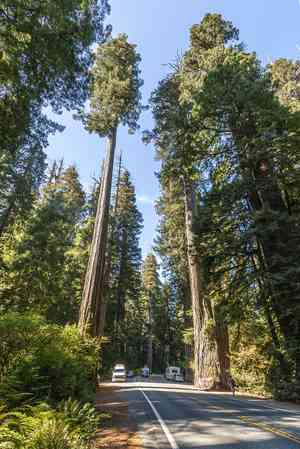
Coast redwood (Sequoia sempervirens)
Also known as: Redwood
The Coast Redwood, also known as Sequoia sempervirens or the California redwood, is a tree species indigenous to the United States. Found primarily in California, this species ranks among the tallest trees on the planet and is also recognized as one of the most ancient living organisms.
In This Article
Attributes of Coast redwood
Lifespan
Perennial
Plant Type
Tree
Plant Height
115 m
Spread
4 m to 8 m
Leaf Color
Green
Flower Size
2.5 cm
Flower Color
Yellow Green
Images of Coast redwood
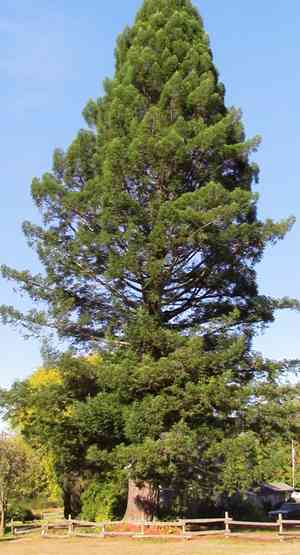
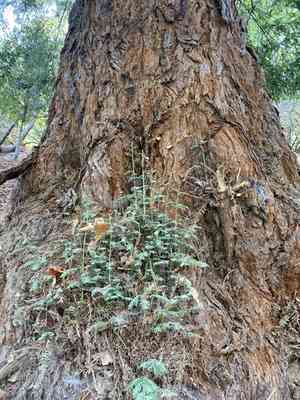
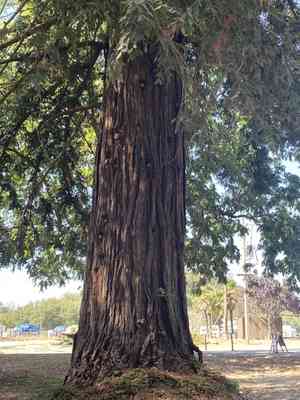
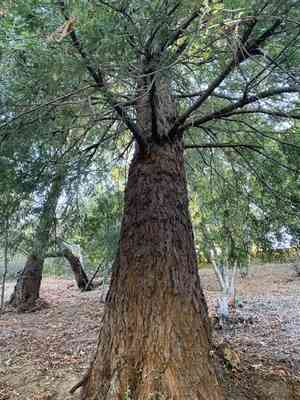
Quickly Identify Coast redwood
1
Distinctive conical form, evolving into a columnar shape with age.
2
Needle-like leaves, 1.3-2.5 cm long, vivid green with two white bands below.
3
Male cones measure 1.3 cm long, yellowish-brown; female cones oval, turning brown.
4
Reddish-brown, egg-shaped cones, 1.3-2.5 cm, ripen in first year.
5
Robust trunk with buttressed base, thick fibrous bark, deeply grooved, reddish-brown.
Scientific Classification of Coast redwood
Phylum
Vascular plants
Class
Conifers
Order
Pines and allies
Family
Cypress
Genus
Sequoia
Species
Coast redwood
Planting and Growing of Coast redwood
Care Difficulty
Hard
Watering Schedule
Every 3 days
Sunlight Requirements
Full sun
Sunshine Duration
4-6 hours
Ideal Temperature
50-65℉
Soil Type
Potting Mix, Peat Mix
Soil pH
6.5-7.5
Fertilizer Type
Balanced
Pruning Season
Spring, Summer
Pruning Area
Branches, Leaves
Pruning Frequency
2 times a year
Repotting Season
Spring
Pot Type
Plastic, Terracotta
 How to Water Coast redwood?
Sequoia sempervirens has extensive root systems, so they require substantial watering. Ensure each watering session provides approximately 500 milliliters to ensure the roots can absorb sufficient moisture without leaving excess water standing, which could invite root rot.
More About Watering Techniques→
What are the symptoms of an underwatered Coast redwood?
›
What should I do if my Coast redwood is not getting enough water?
›
What are the symptoms of an overwatered Coast redwood?
›
How to save an overwatered Coast redwood?
›
 What Are the Sunlight Requirements for Coast redwood?
An ideal light range for Sequoia sempervirens is at least 6 to 8 hours of full to partial sun, promoting strong growth and energy absorption necessary for optimal health and development.
More About Sunlight Requirements Techniques→
Why does Sequoia sempervirens prefer full to partial sun?
›
How can I ensure optimal sunlight for Sequoia sempervirens?
›
Benefits of providing ideal sunlight to Sequoia sempervirens
›
 What Is the Ideal Temperature Range for Coast redwood?
The ideal temperature range for growing Sequoia sempervirens is between 50 to 65°F. This temperature range is best suited for the plant’s growth processes as it allows optimal photosynthesis and nutrient absorption, enabling the tree to thrive in its natural habitat.
 What Soil is Best for Coast redwood?
Sequoia sempervirens requires well-drained soil to prevent root rot, as it ensures excess water can escape and roots can breathe. This improves nutrient uptake and promotes healthy growth. The soil should retain moisture without becoming waterlogged. High moisture content supports the redwood’s rapid growth, mimicking its natural habitat's foggy conditions. Nutrient-rich soil is essential as it provides the necessary minerals for robust growth, supporting its towering structure and dense foliage.
More About Soil→
 How to Fertilize Coast redwood?
For Sequoia sempervirens, a balanced liquid fertilizer should be used at half strength to avoid over-fertilization. The amount should be approximately one tablespoon per gallon of water, ensuring thorough soil saturation around the tree's root zone.
 How to Prune Coast redwood?
Sequoia sempervirens does not require extensive pruning like some other species. Excessive pruning can harm the tree by removing too much foliage, which is essential for photosynthesis. Only remove dead, diseased, or weak branches that threaten the tree’s health or safety. While pruning, keep an eye out for signs of disease or pest infestation, such as discoloration or unusual growths. Address these issues promptly with appropriate treatments to minimize harm to the tree.
More About Pruning Techniques→
 How to Propagate Coast redwood plant?
1
Gather mature seeds from Sequoia sempervirens cones. Ensure that seeds are completely mature to increase germination success, ideally collected in late autumn or winter.
2
Select healthy semi-hardwood stems, ensuring they are disease-free. Cut directly below a node and remove lower leaves to minimize transpiration.
3
For seeds, plant them in a seed tray with a well-draining soil mix. Cuttings should be placed in rooting hormone before being planted half-depth into the soil to encourage root development.
 How to Repot Coast redwood plant?
1
Sequoia sempervirens shows signs of needing a new pot when its roots appear crowded or poking out of the drainage holes. Additionally, if growth has significantly slowed or soil seems compacted, repotting is due. It is best to repot before the plant enters a new growth phase, ideally during spring or autumn.
2
Choose a pot that is only slightly larger than the current one, with adequate drainage holes to ensure water doesn't accumulate. Good drainage reduces root rot risks and helps maintain the plant’s health. Using a pot with these qualities ensures steady growth and avoids waterlogging, a common issue for redwoods.
3
Opt for a well-draining, slightly acidic soil mix, rich in organic matter. Such a soil composition mimics the giant redwood's natural environment, promoting optimal growth. Proper soil ensures that water and nutrients are efficiently absorbed, creating a robust foundation for healthy development.



