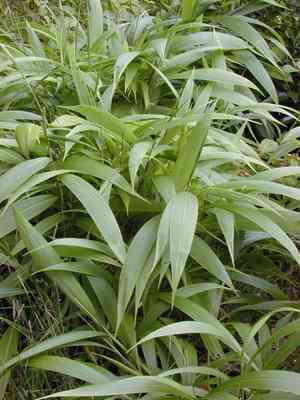
Palmgrass (Setaria palmifolia)
Also known as: Malaysian palm grass
Setaria palmifolia, commonly known as palmgrass, is indigenous to Asia and thrives in both temperate and tropical climates. It is often grown for ornamental purposes. In Chinese folklore, this plant is traditionally used to forecast the number of typhoons expected in a region.
In This Article
Attributes of Palmgrass
Lifespan
Perennial
Plant Type
Herb
Plant Height
2 m
Spread
2 m
Leaf Color
Green
Flower Size
2.5 cm
Flower Color
Green Brown
Images of Palmgrass
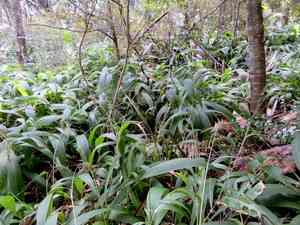
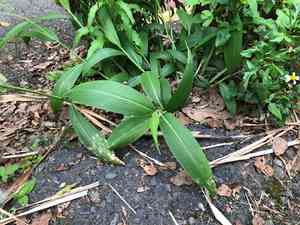
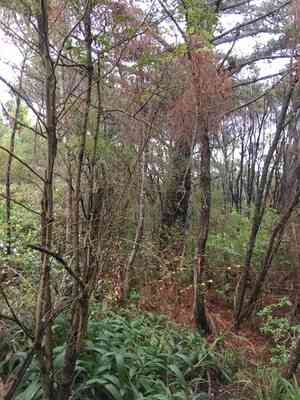
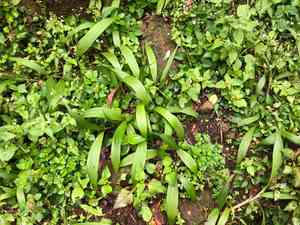
Quickly Identify Palmgrass
1
Robust size up to 6 feet (183 cm) tall and wide.
2
Deeply pleated leaves resembling palm fronds.
3
Tall flower spikes with short bristle-like hairs.
4
Bristles measuring 4-10 mm (0.16-0.39 inches) on airy seedheads.
5
Densely covered stems with long, whitish hairs and fuzzy texture.
Scientific Classification of Palmgrass
Phylum
Vascular plants
Class
Monocotyledons
Order
Poales
Family
Grass
Genus
Bristle grasses
Species
Palmgrass
Planting and Growing of Palmgrass
Care Difficulty
Easy
Watering Schedule
Every 4 days
Sunlight Requirements
Partial sun
Sunshine Duration
4-8 hours
Ideal Temperature
68-77℉
Soil Type
Potting Mix, Peat Mix
Soil pH
6.5-7.5
Fertilizer Type
Balanced
Pruning Season
Spring, Summer
Pruning Area
Branches, Leaves
Pruning Frequency
Once a year
Repotting Season
Spring
Pot Type
Plastic, Ceramic
 How to Water Palmgrass?
Setaria palmifolia prefers consistently moist soil but not soggy. Aim to water until excess drains out of the pot's bottom, ensuring it reaches the root zone evenly. The soil should feel moist to the touch, like a wrung-out sponge.
What are the symptoms of an underwatered Palmgrass?
›
What should I do if my Palmgrass is not getting enough water?
›
What are the symptoms of an overwatered Palmgrass?
›
How to save an overwatered Palmgrass?
›
 What Are the Sunlight Requirements for Palmgrass?
Setaria palmifolia flourishes in partial sun to full shade conditions. Ideal light balance fosters strong growth, vivid foliage, and improves resilience against adverse conditions, promoting overall health and appearance.
More About Sunlight Requirements Techniques→
What light does Setaria palmifolia thrive in?
›
How to mimic ideal lighting for Setaria palmifolia indoors?
›
Why is achieving the right lighting crucial for Setaria palmifolia?
›
 What Is the Ideal Temperature Range for Palmgrass?
The ideal temperature range for cultivating Setaria palmifolia is between 68°F and 77°F. This temperature range supports optimal growth and leaf development, ensuring the plant maintains its lush, vibrant appearance. In these conditions, the plant is most likely to thrive, demonstrating strong resistance to diseases and pests.
 What Soil is Best for Palmgrass?
Setaria palmifolia thrives in well-drained soil as it prevents waterlogging, reducing the risk of root rot. This type of soil ensures the roots have enough access to air, promoting healthy growth. Adding organic matter to the soil improves its fertility and structure, providing essential nutrients for Setaria palmifolia. This leads to lush and vibrant foliage due to nutrient-rich conditions. The plant benefits from soil that can retain moisture without becoming soggy. This balance ensures the roots remain hydrated during dry spells, supporting steady growth.
 How to Fertilize Palmgrass?
Setaria palmifolia benefits from a balanced fertilization approach. For liquid fertilizers, apply a diluted solution following the general guideline of 10-10-10 for N-P-K ratios at half strength. With slow-release fertilizers, use approximately 50 grams per plant per application to ensure a steady nutrient release without overwhelming the roots.
 How to Prune Palmgrass?
Begin by identifying any dead or damaged leaves, which are often brown or yellow. Use your tools to gently remove these parts, cutting close to the base of the leaf but not damaging the main stem. This will help redirect nutrients to healthier parts of the plant. Focus on shaping the plant by trimming any excessively long or sprawling stems that disrupt the overall appearance of your Setaria palmifolia. Cut back to a leaf node to encourage branching and maintain a compact and attractive shape. Ensure the plant remains balanced by pruning uneven growth. Look from different angles to detect any lopsided areas, and trim them to match the rest of the plant. This not only improves aesthetics but also ensures even sunlight exposure for all parts.
More About Pruning Techniques→
 How to Propagate Palmgrass plant?
1
Start by selecting healthy, mature seeds from the Setaria palmifolia plant. Clean the seeds thoroughly and soak them in water overnight to enhance germination. Prepare seed trays by filling them with a well-draining potting mix.
2
Identify a mature Setaria palmifolia plant and carefully dig it out. Use a sharp knife to divide the root clumps into sections, ensuring each has sufficient roots and foliage. Replant the divided sections immediately in prepared soil.
3
After sowing seeds or planting divisions, place them in a warm, bright location. Regularly check the moisture levels and maintain them equally, as both seeds and divisions require consistent moisture for optimal growth.
 How to Repot Palmgrass plant?
1
Watch for signals like roots protruding from drainage holes or a noticeable slowdown in growth, which suggest it's time to repot. Ideally, repotting should occur when the plant is looking healthy and active, making Spring and early Summer the perfect seasons.
2
Opt for a pot that's one size larger than the current one and ensures good drainage with plenty of holes. A slightly bigger pot provides room for growth and avoids waterlogging, promoting root health and vigor.
3
Use a well-draining potting mixture, enriched with organic matter such as peat and perlite, providing essential nutrients and ensuring proper water retention. This soil keeps the roots healthy and helps prevent overwatering damage.



