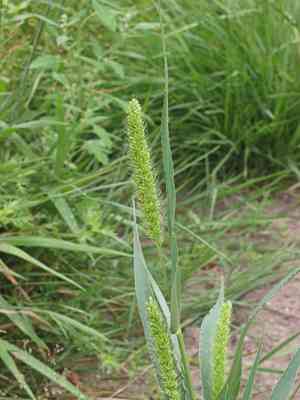
Green foxtail (Setaria viridis)
Also known as: Bottlegrass, Pigeongrass
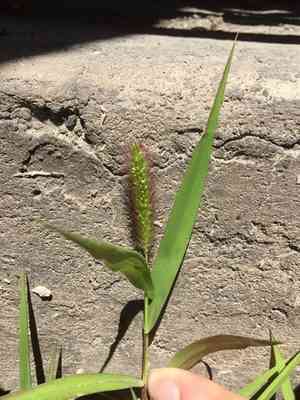
Green foxtail (Setaria viridis) is a summer annual grass often found in agricultural fields, turf, landscapes, and nurseries, where it is typically regarded as a weed. This grass features a distinctive seed head with fringed bristles, reminiscent of a fox's tail. It flourishes in full sunlight and can thrive in poor, disturbed soil conditions. Additionally, it supports a range of wildlife, including various insects, birds, and small mammals such as squirrels and mice.
In This Article
Attributes of Green foxtail
Lifespan
Annual
Plant Type
Grass
Plant Height
10 cm to 1 m
Spread
30 cm
Leaf Color
Green Blue
Flower Size
Sparse, less noticeable
Flower Color
Green White Brown
Images of Green foxtail
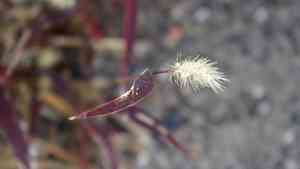
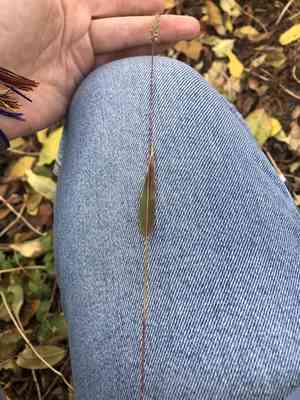
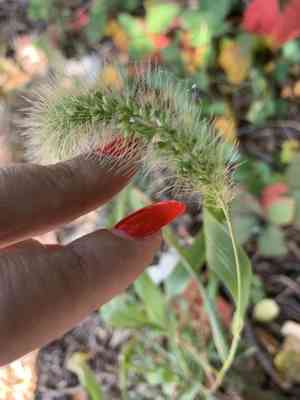
Quickly Identify Green foxtail
1
Bristly bottlebrush-like inflorescence atop stem.
2
Spike-like flower panicle with dense spikelets and bristles.
3
Small, hard fruit grains with oval shape and light tan color.
4
Light green leaves with fine veins and drooping form.
5
Smooth, slender stem with minimal branching, adapting to varied conditions.
Scientific Classification of Green foxtail
Phylum
Vascular plants
Class
Monocotyledons
Order
Poales
Family
Grass
Genus
Bristle grasses
Species
Green foxtail
Planting and Growing of Green foxtail
Care Difficulty
Easy
Watering Schedule
Every 4 days
Sunlight Requirements
Full sun
Sunshine Duration
6-10 hours
Ideal Temperature
75-86℉
Soil Type
Potting Mix, Peat Mix
Soil pH
6.5-7.5
Fertilizer Type
Balanced
Pruning Season
Spring, Summer
Pruning Area
Branches, Leaves
Pruning Frequency
2 times a year
Repotting Season
Spring
Pot Type
Plastic, Terracotta
 How to Water Green foxtail?
When watering Setaria viridis, aim to provide enough moisture to thoroughly saturate the root zone. The soil should be moistened but not waterlogged, ensuring excess water drains away easily to prevent root rot. This delicate balance helps maintain optimal growth conditions.
What are the symptoms of an underwatered Green foxtail?
›
What should I do if my Green foxtail is not getting enough water?
›
What are the symptoms of an overwatered Green foxtail?
›
How to save an overwatered Green foxtail?
›
 What Are the Sunlight Requirements for Green foxtail?
Setaria viridis ideally requires full sun exposure. Ideal lighting conditions enhance its growth and foliage color, ensuring a healthy and thriving plant environment.
What is the best lighting condition for Setaria viridis?
›
How to achieve the ideal lighting conditions for Setaria viridis?
›
What benefits does ideal lighting provide for Setaria viridis?
›
 What Is the Ideal Temperature Range for Green foxtail?
Setaria viridis thrives best in a warm environment with a temperature range between 75°F and 86°F. This range supports optimal growth and ensures the plant receives the thermal energy necessary for efficient photosynthesis, ensuring lush and healthy development.
 What Soil is Best for Green foxtail?
Setaria viridis thrives in nutrient-rich soils as they provide essential minerals and nutrients required for robust growth. The presence of nitrogen and phosphorus in the soil supports the plant's development, aiding in lush foliage and strong root systems. For Setaria viridis, a soil that drains well is essential to prevent waterlogging, which can cause root rot. Sandy loam is particularly effective because it allows excess water to escape, ensuring the roots have access to oxygen, which is crucial for plant health. While it's vital for the soil to drain well, it must also retain enough moisture to support the plant's needs. Loam soils strike a perfect balance by holding moisture without becoming waterlogged, ensuring Setaria viridis receives a consistent water supply.
 How to Fertilize Green foxtail?
Setaria viridis benefits from a balanced nutrient regimen. Typically, 20 grams of liquid fertilizer mixed in 1 liter of water per application suffices. For slow-release fertilizers, 30 grams per square meter annually is adequate.
 How to Prune Green foxtail?
Start by removing any dead or discolored leaves using sharp, clean scissors. Cut just above the node to encourage new growth. Focus on removing the outermost and tallest stems to maintain a balanced shape. Be cautious not to over-prune, as this can stress the plant and hinder its growth potential. After pruning, gather all cuttings and dispose of them properly to prevent any potential spread of pests or diseases. Clean your tools with a diluted bleach solution to maintain hygiene and prevent any cross-contamination between plants.
 How to Propagate Green foxtail plant?
1
Choose mature, healthy seeds from an existing Setaria viridis plant. Quality seeds should be plump and free from any signs of damage or disease, which increases the chances of successful germination and growth.
2
Fill seed trays with a good-quality seed starting mix. The mix should be light, well-draining, and free from pathogens. It provides the necessary support and nutrients for seedlings to grow strong roots.
3
Scatter the seeds evenly over the surface of the seed medium, and gently press them into the soil. Avoid burying them too deep as they need light for germination. Water lightly after sowing.
 How to Repot Green foxtail plant?
1
Setaria viridis needs repotting when it outgrows its current pot, typically signaled by roots emerging from drainage holes or soil that dries too quickly after watering. It's ideal to repot during spring or early summer when the plant is actively growing, enabling faster recovery and root establishment in the new pot.
2
Select a pot that's 1-2 inches larger in diameter than the current one, ensuring it has proper drainage holes. A slightly larger size prevents root-bound conditions while avoiding excess soil that retains moisture, reducing the risk of root rot. Clay or plastic pots both work, but clay allows better air circulation.
3
Opt for a well-draining potting mix with a blend of peat, perlite, and sand. This composition ensures proper moisture retention while allowing excess water to drain, preventing the roots from sitting in soggy soil, which can lead to root rot or fungal infections.



