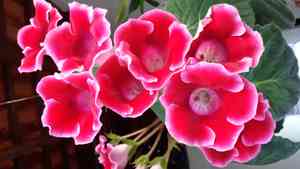
Gloxinia (Sinningia speciosa)
Also known as: Gloxinia
Abutilon, also known as Flowering Maple or Chinese Lantern, is a perennial plant that can reach heights of 2 to 3 meters. It features soft, maple-like leaves and blooms in the summer with large, ruffled, bell-shaped flowers in shades of red, pink, orange, yellow, and white. Abutilon thrives in filtered light, partial shade, or full sun. While it is typically grown as a houseplant, it can be moved outdoors during the summer months. This plant is excellent for attracting hummingbirds and butterflies to your garden.
In This Article
Attributes of Gloxinia
Lifespan
Perennial, Annual
Plant Type
Herb
Plant Height
15 cm to 40 cm
Spread
15 cm to 30 cm
Leaf Color
Green
Flower Size
5 cm to 8 cm
Flower Color
White Red Purple Pink Blue Mauve Burgundy
Images of Gloxinia
Quickly Identify Gloxinia
1
Large, velvety leaves in dark green to bronzy shades
2
Bell-shaped flowers in red, pink, purple, or white, up to 3 inches (7.6 cm) across
3
Corollas with 6-8 lobes in purple, lavender, red, white, or pink shades
4
Scalloped, hairy leaves in rosette form, 8-20 cm (3-8 inches) long by 5-12 cm (2-5 inches) wide
5
Distinct vein pattern on leaves enhancing texture and structure
Scientific Classification of Gloxinia
Phylum
Vascular plants
Class
Dicotyledons
Order
Mints plantains olives and allies
Family
African violet
Genus
Sinningia
Species
Gloxinia
Planting and Growing of Gloxinia
Care Difficulty
Easy
Watering Schedule
Every 4 days
Sunlight Requirements
Partial sun
Sunshine Duration
4-6 hours
Ideal Temperature
65-75℉
Soil Type
Potting Mix, Peat Mix
Soil pH
6.5-7.5
Fertilizer Type
Balanced
Pruning Season
Spring, Summer
Pruning Area
Branches, Leaves
Pruning Frequency
2 times a year
Repotting Season
Spring
Pot Type
Plastic, Ceramic
 How to Water Gloxinia?
Sinningia speciosa thrives when the soil is kept consistently moist but not soggy. Water about 200 ml each time, ensuring even distribution. The key is to maintain moisture without allowing the roots to sit in water. Your plant will thank you for letting the pot drain thoroughly after each watering session.
More About Watering Techniques→
What are the symptoms of an underwatered Gloxinia?
›
What should I do if my Gloxinia is not getting enough water?
›
What are the symptoms of an overwatered Gloxinia?
›
How to save an overwatered Gloxinia?
›
 What Are the Sunlight Requirements for Gloxinia?
The ideal range is partial sun to full shade, ensuring the plant harnesses the correct balance of light. This balance helps Sinningia speciosa maintain vibrant foliage and promotes frequent blooming, crucial for a healthy specimen.
More About Sunlight Requirements Techniques→
What is the best light intensity for Sinningia speciosa?
›
Where should I position Sinningia speciosa for optimal light?
›
How does lighting affect the blooming of Sinningia speciosa?
›
 What Is the Ideal Temperature Range for Gloxinia?
Sinningia speciosa thrives best in an ideal temperature range between 65°F and 75°F. This range ensures optimal growth, flower development, and overall health of the plant. Maintaining temperatures within this zone helps the plant mimic its native tropical environment, providing the warmth and humidity it needs. Keeping the plant within these temperatures also aids in preventing stress, minimizing the risk of disease and pest infestations.
 What Soil is Best for Gloxinia?
Sinningia speciosa thrives in well-drained soil, essential for preventing root rot. Good drainage helps maintain oxygen flow in the soil, promoting healthier root systems and vibrant blooms. This plant benefits from soil that retains moisture without becoming soggy. Proper moisture retention ensures consistent hydration, supporting continuous growth and reducing the risk of drought stress. Nutrient-rich soil is crucial for Sinningia speciosa, as it requires a steady supply of nutrients for lush foliage and abundant flowering. Fertile soil provides the necessary elements for sustained plant health and longevity.
More About Soil→
 How to Fertilize Gloxinia?
For Sinningia speciosa, the fertilizer amount should be moderate. Use a balanced 20-20-20 liquid fertilizer at half the strength recommended by the manufacturer. Over-fertilizing can harm the plant, so less is more.
More About Fertilizing Techniques→
 How to Prune Gloxinia?
Start by inspecting your Sinningia speciosa for any dead or wilted flowers. Carefully cut these away at the base of the stem where they connect to the main plant to redirect energy towards healthy areas. Prune the plant to maintain a bushy shape by trimming any overly long stems. Work carefully around the plant to remove up to one-third of the stem length, which encourages new side growth. If the leaves become excessively large or overshadow the plant, you can trim the leaf tips or selectively remove entire leaves at the base. This enhances light penetration and airflow, promoting better health.
More About Pruning Techniques→
 How to Propagate Gloxinia plant?
1
Fill a seed tray with a well-draining potting mix and evenly spread the Sinningia speciosa seeds over the surface. Gently press the seeds into the soil and mist with water. Keep the tray in a warm location with indirect sunlight.
2
Select a healthy and disease-free parent plant. Using a clean, sharp knife, cut a section of the stem about 3-4 inches long, ensuring there are at least two to three leaves. Remove any flowers and lower leaves.
3
Dip the cut end of the cutting into rooting hormone powder, if available. Insert the cutting into a pot filled with a moist, well-draining potting mix. Ensure the cutting is stable and place it in a warm, humid environment with indirect light.
 How to Repot Gloxinia plant?
1
Sinningia speciosa should be repotted when you notice the pot becoming root-bound, which means roots are coming out of the drainage holes. This is a clear signal the plant needs more space and nutrients.
2
Choose a pot that is one size larger than the current one. It should have adequate drainage holes to prevent water accumulation. A slightly larger pot allows room for root growth and ensures proper aeration.
3
Opt for a well-draining, rich potting mix that retains some moisture yet drains effectively. This soil type prevents root rot and keeps the plant healthy, providing essential nutrients.
Learn More About Gloxinia Diseases
Anthracnose
Bacterial Leaf Spot
Bacterial Soft Rot
Bacterial Wilt
Black Spot
Chemical Injury
Crown Gall
Damping-off
Downy Mildew
Drought Stress
Fusarium Wilt
Gray Mold
Leaf Curl
Leaf Spot
Mosaic
Nutrient Deficiency
Nutrient Toxicity
Powdery Mildew
Root Rot
Root-knot Nematode
Sooty Mold
Spider Mites
Temperature Stress
Thrips Damage
White Mold



