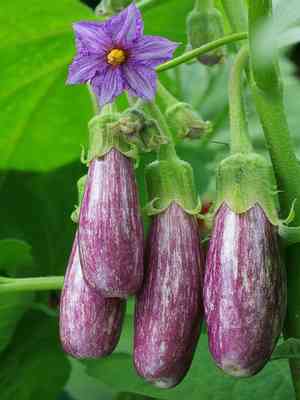
Eggplant (Solanum melongena)
Also known as: Asian Eggplant, Thai Eggplant, Aubergine, Berendjena
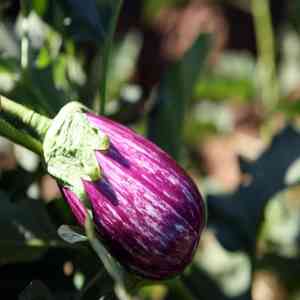
Eggplant (*Solanum melongena*), a species related to nightshade, originates from India. It is cultivated globally for its edible purple fruit, which is a key ingredient in many Eastern dishes. Known for its spongy texture, this plant is referred to as "brinjal" in South Africa and Asia, and "aubergine" in the UK.
Attributes of Eggplant
Images of Eggplant
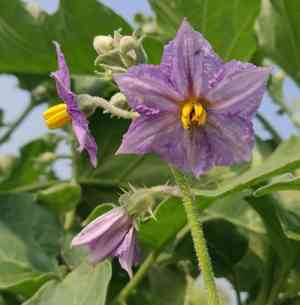
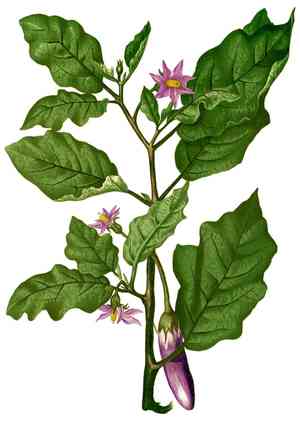
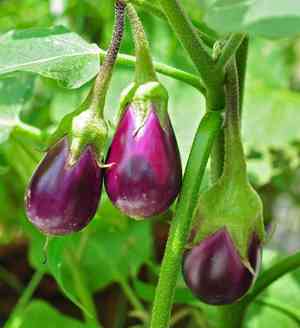
Quickly Identify Eggplant
Scientific Classification of Eggplant
Planting and Growing of Eggplant
 How to Water Eggplant?
 What Are the Sunlight Requirements for Eggplant?
 What Is the Ideal Temperature Range for Eggplant?
 What Soil is Best for Eggplant?
 How to Fertilize Eggplant?
 How to Prune Eggplant?
 How to Propagate Eggplant plant?
 How to Repot Eggplant plant?
Toxicity of Eggplant
Is Eggplant toxic to humans?
While many individuals can consume eggplant fruits without issues, the plant's leaves and tubers harbor significant amounts of the toxic alkaloid solanine. Symptoms of solanine exposure may include nausea, vomiting, a burning sensation in the throat, and potentially life-threatening arrhythmia. Although the fruit itself contains a minor quantity of solanine, it poses no health risks unless ingested in large quantities. Moreover, the fruit is also rich in nasunin, which disrupts iron absorption, and oxalates, which may lead to kidney stones. Furthermore, some individuals may experience an allergic reaction to eggplant fruits, resulting in digestive discomfort, hives, respiratory difficulties, and even the risk of anaphylactic shock. Anyone experiencing any of these reactions after consuming eggplant fruit should eliminate it from their diet. If you choose to cultivate this plant, ensure it is kept fenced away from small children at all times.
Is Eggplant toxic to cat?
Eggplant exhibits a moderate level of toxicity for felines. Should a cat consume any part of the plant, particularly the stems, leaves, or unripe fruit, it may experience poisoning. The primary route of poisoning in cats is by ingesting these plant parts. After consumption, a cat can display signs of physical distress, making immediate veterinary attention essential. Pet owners must be watchful to limit their cats' access to the plant and mitigate the risk of poisoning.
Is Eggplant toxic to dog?
Eggplant is considered moderately toxic to dogs. Canines can be adversely affected by this plant if they consume any of its parts, particularly the stems, leaves, or underdeveloped fruit. Should a dog ingest these portions of eggplant, it may show symptoms such as gastrointestinal distress, vomiting, diarrhea, lethargy, or abdominal discomfort. It is essential for dog owners to closely supervise their pets and restrict access to eggplant, particularly the toxic components. If a dog does ingest any part of the eggplant, it is essential to seek prompt veterinary assistance to provide appropriate treatment and manage any risks of poisoning.



