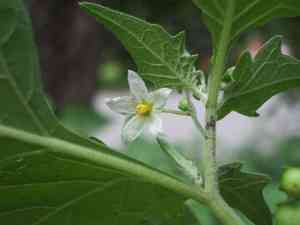
Black nightshade(Solanum nigrum)

Black nightshade (Solanum nigrum)

Also known as: Garden nightshade, Blackberry nightshade

When dealing with black nightshade (Solanum nigrum), it's crucial to exercise caution due to its toxic nature. Though some claim that fully ripe and properly prepared fruits may be safe to eat, the risk is significant enough to warrant avoiding consumption altogether. Here are some key precautions:

1. **Do Not Eat**: Avoid ingesting any part of the plant, as it poses serious health risks.
2. **Use Protective Gear**: Wear gloves when handling the plant to prevent skin irritation.
3. **Protect Vulnerable Groups**: Keep children and pets away from the plant to avoid accidental poisoning.
4. **Ensure Accurate Identification**: Be confident in identifying the plant to prevent mistaking it for a harmless or edible species.
5. **Clean Thoroughly**: Wash hands and any tools used after contact with the plant.

Always err on the side of caution and consult experts if unsure about the plant's safety.

Attributes of Black nightshade

Lifespan
Annual, Perennial, Biennial
Plant Type
Herb
Plant Height
30 cm to 1.2 m
Spread
60 cm
Leaf Color
Green Purple
Flower Size
4 mm to 9 mm
Flower Color
White Yellow

PlantJoy - Identify plants with a snap

Identify and diagnose plants, get toxicity alerts, and explore safety guides for all types of fungi.

Try for Free

Images of Black nightshade

Black nightshade(Solanum nigrum)

Quickly Identify Black nightshade

1
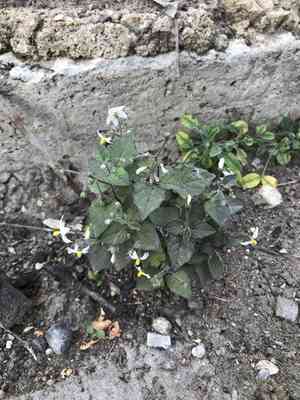
Stout, erect stems with occasional purplish hue.
2
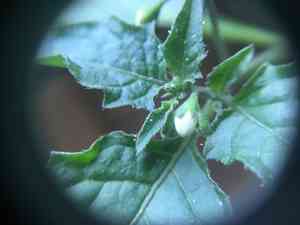
Dark green leaves, hairy or smooth, with varied edges.
3
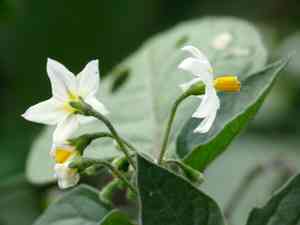
Small white flowers in umbel-like cymes, yellow anthers.
4
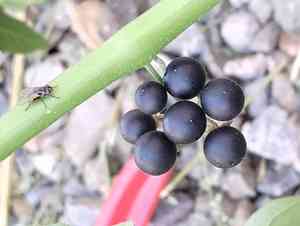
Berries green to black/purplish-black, soft texture.
5
Alternate, ovate to lanceolate leaves, hairy/smooth surfaces.

Scientific Classification of Black nightshade

Phylum
Vascular plants
Class
Dicotyledons
Order
Nightshades, bindweeds, gooseweeds, and allies
Family
Nightshade
Genus
Nightshades
Species
Black nightshade

Planting and Growing of Black nightshade

Care Difficulty
Easy
Watering Schedule
Every 8 days
Sunlight Requirements
Full sun
Sunshine Duration
4-6 hours
Ideal Temperature
60-75℉
Soil Type
Potting Mix, Peat Mix
Soil pH
5-7.5
Fertilizer Type
Balanced
Pruning Season
Spring, Summer
Pruning Area
Branches, Leaves
Pruning Frequency
2 times a year
Repotting Season
Spring
Pot Type
Plastic, Ceramic

water icon How to Water Black nightshade?

Solanum nigrum, commonly known as the black nightshade, requires a moderate watering regime. Ensure that the soil is kept consistently moist, but not soggy. Water the plant thoroughly until water just begins to seep out of the drainage holes. This typically equates to about 500 ml per watering session, allowing the soil to slightly dry out between each watering.
What are the symptoms of an underwatered Black nightshade?
What should I do if my Black nightshade is not getting enough water?
What are the symptoms of an overwatered Black nightshade?
How to save an overwatered Black nightshade?

sunlight icon What Are the Sunlight Requirements for Black nightshade?

Sunlight Requirements: Full sun, Partial sun
Duration of light: 4-8 hours daily
For Solanum nigrum, maintaining a balance between full and partial sun, particularly provided through morning sunlight, is ideal. This exposure supports photosynthesis and overall plant strength, contributing to vibrant growth and robust health.
How much sunlight does Solanum nigrum need?
What is the best way to provide ideal lighting conditions?
What benefits does ideal sunlight provide to Solanum nigrum?

temperature icon What Is the Ideal Temperature Range for Black nightshade?

Ideal Temperature: 60 ~ 75℉
Solanum nigrum thrives best in temperatures ranging between 60 to 75°F. Such a temperature range ensures adequate enzymatic activity and optimal plant metabolism. It promotes vigorous growth and flowering while minimizing stress on the plant. Maintaining this range aids in achieving maximum vegetative and reproductive success for the plant.

soil icon What Soil is Best for Black nightshade?

Soil type: Loam, Sandy loam, Clay soil
Soil PH: 5 ~ 7.5
Solanum nigrum flourishes in soil that allows excess water to drain away swiftly. This prevents root rot, a common problem if roots sit in water for extended periods, ensuring healthy plant growth. This plant prefers soil rich in organic matter but not overly fertile, which can lead to excessive foliage growth at the expense of fruit production. Balanced fertility supports optimal fruiting and overall vitality. While Solanum nigrum tolerates some drought, consistent moisture helps maintain its lush appearance and productivity. Regular watering mimics its native environment, boosting both growth and resilience.

fertilize icon How to Fertilize Black nightshade?

Fertilizer type: Balanced
For Solanum nigrum, it's advisable to use a balanced NPK (10-10-10) liquid fertilizer at a rate of one tablespoon per gallon of water. Apply this solution evenly around the base of the plant, ensuring the soil is moist before application to prevent root burn.

prune icon How to Prune Black nightshade?

Pruning Time: Spring, Summer, Autumn
Begin by sterilizing your pruning tools to prevent the spread of disease. Start with removing any dead, damaged, or diseased branches. Trim back overgrown sections to maintain the desired shape and size. Focus on cutting just above a node to encourage new growth. Avoid taking more than one-third of the top growth at once to keep the plant healthy.

propagate icon How to Propagate Black nightshade plant?

Propagate Time: Late spring, Early summer
1
Collect ripe berries from a mature Solanum nigrum plant. Extract seeds by carefully squeezing the berries. Rinse the seeds to remove any remaining fruit pulp and then dry them on a paper towel before sowing.
2
Fill seed trays with potting mix and sow seeds on the surface, pressing them gently into the soil. Keep the soil moist but not waterlogged, and place the trays in a warm location with indirect sunlight.
3
Once the seedlings have two to three true leaves, they can be carefully transplanted into individual pots or directly into the garden. Handle the seedlings gently and plant them at a similar depth as they were in the seed tray.

repot icon How to Repot Black nightshade plant?

Repotting frequency: Every 1-2 years
1
Monitor your Solanum nigrum for root-bound indications. If roots emerge from drainage holes or encircle the pot, or if the plant's growth has halted, it's time to repot. Spring and summer, when the plant is actively growing, are optimal seasons.
2
Select a pot one or two inches larger in diameter than the current one to accommodate growth while preventing waterlogging. The pot should have sufficient drainage holes to ensure excess water can escape, preventing root rot.
3
Opt for a well-draining potting mix, rich in organic matter. This soil structure allows for adequate aeration and moisture retention, crucial for preventing waterlogged roots and promoting healthy plant development.

PlantJoy - Identify plants with a snap

Find the best spots for them to optimize their health, simply using your phone.

Try for Free

Toxicity of Black nightshade

Is Black nightshade toxic to humans?

Black nightshade is indeed toxic, but instances of lethal outcomes from consuming this plant are uncommon. Typically, it induces mild gastrointestinal disturbances including abdominal discomfort, vomiting, and diarrhea. The unripe berries possess the highest levels of toxins; several fatalities in children who have ingested them have been documented. Symptoms can manifest 6-12 hours post-ingestion, potentially leading to fever, excessive sweating, gastrointestinal problems, confusion, and drowsiness. The degree of toxicity in black nightshade may fluctuate based on its growing conditions and the specific cultivar.

Is Black nightshade toxic to cat?

Highly toxic to felines, the consequences of consuming black nightshade (Solanum nigrum) might not manifest until six to twelve hours post-ingestion. The symptoms can vary from lethargy to convulsions to paralysis. Every part of the plant is poisonous, with unripe berries being particularly hazardous. Prompt veterinary intervention is crucial to avert fatality and should be pursued without delay.

Is Black nightshade toxic to dog?

Black nightshade is highly poisonous and can prove fatal to dogs if consumed in significant amounts. Every part of the plant contains toxins, but its berries—particularly when unripe—harbor the highest levels of these harmful substances. Symptoms of black nightshade poisoning can vary widely, potentially leading to excessive drooling, diarrhea, vomiting, dilated pupils, confusion, weakness, and respiratory distress. If you believe your dog has eaten this plant, it is crucial to reach out to a veterinarian without delay.

Identify toxic plants for your safety

Learn which plants are harmful to you and your pets, and make informed choices for a safer home!

Try for Free
WARNING
The judgment on toxicity and danger is for reference only. We DO NOT GUARANTEE any accuracy of such judgment. Therefore, you SHALL NOT rely on such judgment. It is IMPORTANT TO SEEK PROFESSIONAL ADVICE in advance when necessary.