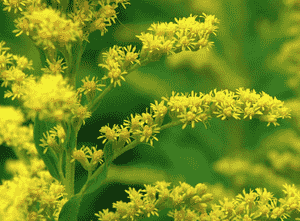
Canada goldenrod (Solidago altissima)
Also known as: Tall goldenrod, Rough-stemmed goldenrod
The Canada thistle is prevalent throughout North America and has spread to various countries globally. A single plant can produce up to 1,500 flower heads, making it a significant invasive species internationally due to its aggressive growth and challenging eradication.
In This Article
Attributes of Canada goldenrod
Lifespan
Perennial
Plant Type
Herb
Plant Height
1 m to 2 m
Spread
90 cm
Leaf Color
Green
Flower Size
2.5 cm
Flower Color
Yellow
Images of Canada goldenrod
Quickly Identify Canada goldenrod
1
Dark yellow flowers in dense plume-like clusters
2
Leaves with pubescent undersides and lanceolate shape
3
Stems with lines of white hairs and green, hairy leaves
Scientific Classification of Canada goldenrod
Phylum
Vascular plants
Class
Dicotyledons
Order
Asterales
Family
Daisy
Genus
Goldenrods
Species
Canada goldenrod
Planting and Growing of Canada goldenrod
Care Difficulty
Easy
Watering Schedule
Every 3 days
Sunlight Requirements
Full sun
Sunshine Duration
4-6 hours
Ideal Temperature
68-77℉
Soil Type
Potting Mix, Peat Mix
Soil pH
6.5-7.5
Fertilizer Type
Balanced
Pruning Season
Spring, Summer
Pruning Area
Branches, Leaves
Pruning Frequency
2 times a year
Repotting Season
Spring
Pot Type
Plastic, Ceramic
 How to Water Canada goldenrod?
When watering Solidago altissima, use approximately 250 milliliters each time. Ensure the soil is thoroughly moist but not soggy, aiming for the water to seep through the drainage holes. Avoid overwatering by checking soil moisture levels between waterings.
What are the symptoms of an underwatered Canada goldenrod?
›
What should I do if my Canada goldenrod is not getting enough water?
›
What are the symptoms of an overwatered Canada goldenrod?
›
How to save an overwatered Canada goldenrod?
›
 What Are the Sunlight Requirements for Canada goldenrod?
Solidago altissima flourishes under full sun or partial sun, thriving with 6-10 hours of direct exposure. Adequate light fosters prolific blooming and robust plant health, crucial for its ecological contributions.
How much sunlight does Solidago altissima need?
›
What solutions ensure ideal sunlight exposure?
›
What benefits arise from ideal sunlight?
›
 What Is the Ideal Temperature Range for Canada goldenrod?
The ideal temperature range for Solidago altissima, commonly known as tall goldenrod, is between 68°F and 77°F. Within this range, the plant can achieve optimal growth and flowering. The consistent warmth allows for efficient physiological processes, including photosynthesis and nutrient uptake, essential for thriving plant health.
 What Soil is Best for Canada goldenrod?
Solidago altissima thrives in nutrient-rich soils. This provides the necessary minerals and organic matter essential for robust growth and vibrant flowering, ensuring the goldenrod can display its bright, golden blooms throughout the late summer and fall. Well-drained soil is crucial for Solidago altissima to prevent root rot and other moisture-related issues. Good drainage allows excess water to escape, maintaining an optimal balance of moisture and air around the roots. While drainage is important, the ability to retain some moisture ensures that the plant remains hydrated during dry spells. This helps Solidago altissima withstand periods of drought while maintaining healthy growth.
 How to Fertilize Canada goldenrod?
For Solidago altissima, use a balanced fertilizer with equal parts of nitrogen, phosphorus, and potassium. Apply at a rate of 1 teaspoon per plant if using liquid fertilizer. For solid fertilizers, follow package instructions closely to ensure you're not over-fertilizing.
 How to Prune Canada goldenrod?
Before you start, take a look at the overall structure. Identify dead, diseased, or overcrowded stems. This assessment helps you decide which parts need the most attention during pruning. Remove withered blooms to encourage new growth and prolong the flowering period. This simple step enhances the overall appearance and prevents unnecessary seed dispersal. Trim overly long stems by a third or half, focusing on maintaining an attractive shape. This helps in managing the plant's tendency to spread and keeps it compact and tidy. After pruning, clean your tools with diluted bleach or alcohol. This practice helps in preventing the transfer of any plant diseases to other plants in your garden.
 How to Propagate Canada goldenrod plant?
1
Collect seeds from mature Solidago altissima plants in late fall or early winter, ensuring they are dry and mature. This involves gently shaking flower heads to release seeds. Clean the seeds to remove any debris for a higher success rate in germination.
2
In early spring or late winter, dig out a mature Solidago plant. Use garden shears or a sharp spade to divide the plant into smaller sections, ensuring each section has enough roots. Replant these sections at their new locations, water them thoroughly.
3
Plant the prepared Solidago altissima seeds in seedling trays filled with a well-draining soil mix. Lightly cover them with a soil layer, water gently, and wait for germination. This process should occur within a few weeks if the conditions are suitable.
 How to Repot Canada goldenrod plant?
1
Signs that Solidago altissima needs repotting include roots growing out of drainage holes or wrapping densely around the soil. The plant may also show stunted growth or the soil might dry out too quickly. Ideal times for repotting are early spring or autumn to avoid the stress of high-growth periods.
2
Select a pot that's one or two sizes larger than the current one, with ample drainage holes. A slightly bigger pot provides the roots with room to grow without overwhelming the plant. Opting for a pot with good drainage thwarts waterlogging issues, essential for healthy root development.
3
An ideal soil mix for Goldenrod should be well-draining to prevent water retention issues, yet capable of retaining necessary moisture. Combining general potting mix with perlite or sand ensures an optimal balance and enhances aeration, fostering robust root health.
Learn More About Canada goldenrod Diseases
Anthracnose
Bacterial Leaf Spot
Bacterial Wilt
Chemical Injury
Crown Gall
Cyst Nematode
Damping-off
Downy Mildew
Drought Stress
Fusarium Wilt
Gray Mold
Leaf Spot
Mosaic
Nutrient Deficiency
Nutrient Toxicity
Powdery Mildew
Root Rot
Root-knot Nematode
Rusts
Sooty Mold
Spider Mites
Temperature Stress
Thrips Damage
White Mold



