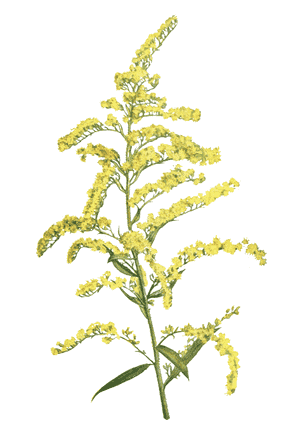
Early goldenrod (Solidago juncea)
Also known as: Goldenrod
Solidago juncea, known as early goldenrod, is among the first goldenrod species to bloom, typically beginning in mid-summer. This plant thrives in well-drained soil with full sun exposure and can tolerate dry conditions. Pruning spent flower clusters can promote additional growth.
In This Article
Attributes of Early goldenrod
Lifespan
Perennial, Annual
Plant Type
Herb
Plant Height
30 cm to 1.2 m
Spread
60 cm to 90 cm
Leaf Color
Green
Flower Size
2.5 cm
Flower Color
Yellow Gold
Images of Early goldenrod
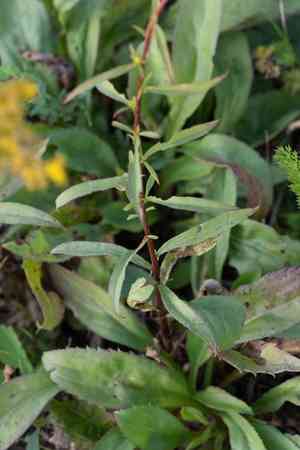
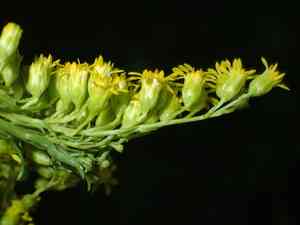
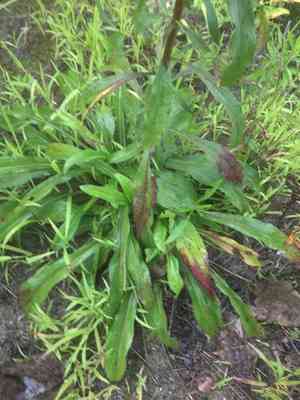
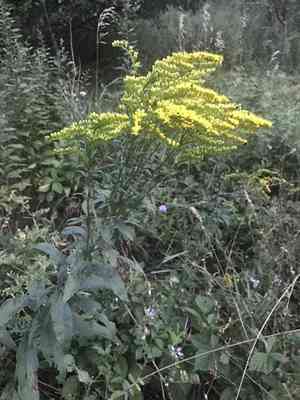
Quickly Identify Early goldenrod
1
Robust perennial, 2-4 feet (0.6-1.2 meters) tall
2
Lance-shaped leaves at base, smaller along stem
3
Panicles of small yellow flowers in late summer
4
Smooth, hairless leaves with toothed margins
5
Upright, slightly ridged stem in green to reddish colors
Scientific Classification of Early goldenrod
Phylum
Vascular plants
Class
Dicotyledons
Order
Asterales
Family
Daisy
Genus
Goldenrods
Species
Early goldenrod
Planting and Growing of Early goldenrod
Care Difficulty
Easy
Watering Schedule
Every 2 days
Sunlight Requirements
Full sun
Sunshine Duration
6-10 hours
Ideal Temperature
60-75℉
Soil Type
Potting Mix, Peat Mix
Soil pH
6.5-7.5
Fertilizer Type
Balanced
Pruning Season
Spring, Summer
Pruning Area
Branches, Leaves
Pruning Frequency
2 times a year
Repotting Season
Spring
Pot Type
Plastic, Ceramic
 How to Water Early goldenrod?
Solidago juncea prefers moderate watering where the soil is consistently kept moist but not waterlogged. The goal is to allow the top layer of soil to dry out slightly before watering again, ensuring the roots receive adequate moisture without drowning the plant.
What are the symptoms of an underwatered Early goldenrod?
›
What should I do if my Early goldenrod is not getting enough water?
›
What are the symptoms of an overwatered Early goldenrod?
›
How to save an overwatered Early goldenrod?
›
 What Are the Sunlight Requirements for Early goldenrod?
Solidago juncea prefers full sunlight, which results in bountiful flowering and vigorous growth, contributing to a healthy and lush appearance.
More About Sunlight Requirements Techniques→
Optimal Sun Exposure
›
Shading Adjustments
›
Benefit of Optimal Light
›
 What Is the Ideal Temperature Range for Early goldenrod?
The ideal temperature range for Solidago juncea, commonly known as early goldenrod, is between 60°F and 75°F. This range provides the most conducive environment for its growth and flowering, allowing the plant to thrive and produce vibrant blooms.
 What Soil is Best for Early goldenrod?
Solidago juncea thrives in well-drained soil, which prevents waterlogging and root rot. This type of soil ensures the roots have adequate access to oxygen, promoting healthier plant growth. While it prefers well-drained soils, this plant benefits from soil that retains enough moisture to survive dry spells, supporting sustained growth and flowering. A nutrient-rich substrate provides essential minerals and organic matter, fostering robust growth and vibrant yellow blooms typical of Solidago juncea.
More About Soil→
 How to Fertilize Early goldenrod?
For Solidago juncea, it's essential to carefully measure the fertilizer amount. Liquid fertilizers should be diluted according to the instructions, typically at a rate of one tablespoon per gallon of water. Solid fertilizers should be used sparingly, with about half a cup sprinkled around the plant's base; this avoids excessive nutrient buildup in the soil.
More About Fertilizing Techniques→
 How to Prune Early goldenrod?
Begin by removing any dead or damaged stems at the base. This helps to enhance air circulation and light penetration. Next, trim back the leafy shoots by a third to a half, which will encourage vigorous new growth. Always cut above a leaf node to ensure proper regrowth. Use sharp, clean scissors or pruners to avoid crushing the stems. To extend the blooming period, remove the spent flowers regularly. This process, known as deadheading, focuses the plant’s energy on producing new blooms rather than seed production. Clip fading flowers just above the nearest node to stimulate continuous flowering.
More About Pruning Techniques→
 How to Propagate Early goldenrod plant?
1
Begin by collecting ripe seeds from the Solidago juncea. Clean the seeds and allow them to dry for a day or two. Prepare a seed tray with a quality seed-starting mix.
2
Sow the dried seeds evenly in the seed tray. Gently cover them with a thin layer of the seed-starting mix. Water lightly to ensure moisture, but avoid waterlogging, which can rot the seeds.
3
To divide Solidago juncea, carefully dig out mature clumps in early spring or late winter. Use a sharp knife or spade to divide the rhizomes, ensuring each piece has roots attached, and then replant immediately.
 How to Repot Early goldenrod plant?
1
Solidago juncea should be repotted when root-bound, where roots are densely packed and emerging through drainage holes. It's best to repot during active growth periods in spring or summer when the plant can recover quickly from any root disturbance.
2
Select a pot that is just one size larger than the current one, ensuring it has adequate drainage holes to prevent waterlogging. A slightly larger pot promotes healthy root growth without overwhelming the plant, allowing better access to nutrients and creating a stable growing environment.
3
Use a well-draining potting mix, typically composed of equal parts peat moss, perlite, and coarse sand. This blend maintains a balance of moisture retention and aeration, encouraging healthy root development and reducing the risk of root rot.



