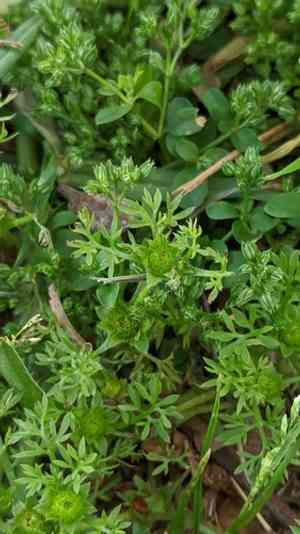
Field burrweed (Soliva sessilis)
Also known as: Spurweed, Bindi-eye, Common soliva, Carpet burweed, Bondii
Field burrweed, known for its sharp seeds that can cause discomfort when stepped on, is an invasive weed often found in lawns and yards. To effectively manage it, consider using a pre-emergent herbicide in late summer or early fall to prevent seed germination. For existing burrweed, a post-emergent herbicide applied during its active growth period in winter or early spring can be effective. Additionally, maintaining a robust lawn through regular mowing, watering, and fertilization can help prevent its spread. Always adhere to herbicide instructions and safety measures.
In This Article
Attributes of Field burrweed
Lifespan
Annual
Plant Type
Herb
Plant Height
1 cm to 25 cm
Spread
10 cm to 20 cm
Leaf Color
Green
Flower Size
2 mm to 5 mm
Flower Color
Yellow Green Gold
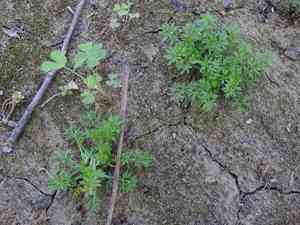
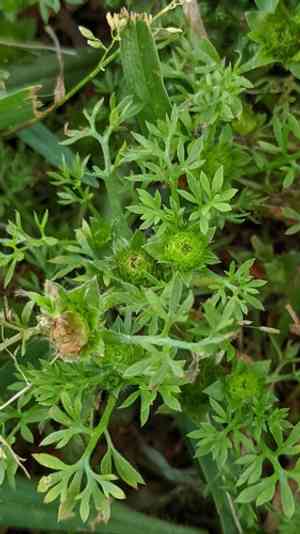
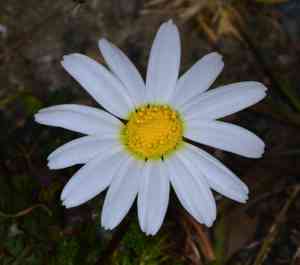
Images of Field burrweed
Quickly Identify Field burrweed
1
Low-growing, sprawling habit not exceeding 2 inches (5 cm) in height.
2
Small, feathery leaves arranged oppositely along slender stems.
3
Tiny, yellow-green disk-shaped flowers without ray flowers, bloom from February to July.
4
Diminutive fruit with two-lobed wings, spines at one end, not exceeding 1/4 inch (6 mm).
5
Stems varying in color, 1-10 inches (2.5-25.4 cm), with purple spots and varying hairiness.
Scientific Classification of Field burrweed
Phylum
Vascular plants
Class
Dicotyledons
Order
Asterales
Family
Daisy
Genus
Burrweed
Species
Field burrweed
Planting and Growing of Field burrweed
Care Difficulty
Easy
Watering Schedule
Every 2 days
Sunlight Requirements
Full sun
Sunshine Duration
6-10 hours
Ideal Temperature
65-75℉
Soil Type
Potting Mix, Peat Mix
Soil pH
6.5-7.5
Fertilizer Type
Balanced
Pruning Season
Spring, Summer
Pruning Area
Branches, Leaves
Pruning Frequency
2 times a year
Repotting Season
Spring
Pot Type
Plastic, Ceramic
 How to Water Field burrweed?
For Soliva sessilis, a moderate amount of water is essential to keep the soil moist but not soggy. Aim for around 200 milliliters per watering session. Ensure water seeps through the soil, reaching the roots without leaving it waterlogged. The guiding principle is to moisten the top 2-3 inches of soil.
What are the symptoms of an underwatered Field burrweed?
›
What should I do if my Field burrweed is not getting enough water?
›
What are the symptoms of an overwatered Field burrweed?
›
How to save an overwatered Field burrweed?
›
 What Are the Sunlight Requirements for Field burrweed?
Partial to full sun exposure is ideal, providing the plant with the energy necessary for photosynthesis and promoting healthy, steady growth. Adequate light maintains robust foliage and seeds.
Best time of day for sunlight
›
Solutions for overexposure
›
Effects of achieving ideal lighting
›
 What Is the Ideal Temperature Range for Field burrweed?
The ideal temperature range for Soliva sessilis is between 65°F and 75°F. Within this range, the plants can efficiently photosynthesize, grow, and reproduce. Maintaining this temperature helps in ensuring robust growth and reducing stress on the plant.
 What Soil is Best for Field burrweed?
Soliva sessilis thrives in well-drained soils, preventing waterlogging which can lead to root rot. This requirement mimics the plant's natural habitat, enhancing its health and growth by ensuring adequate oxygenation to the roots. A soil that is moderately fertile contains enough nutrients to support Soliva sessilis without being too rich, which could encourage excessive foliage at the expense of flower and seed production. This balance helps maintain the plant’s natural growth cycle. Soliva sessilis prefers soils with a pH range of 6.5 to 7.0. This pH range enables optimal nutrient availability, ensuring the plant has access to the essential nutrients it needs to flourish.
 How to Fertilize Field burrweed?
For Soliva sessilis, a modest approach to fertilization is recommended. A liquid fertilizer at half-strength every two weeks ensures adequate nutrient supply without overwhelming the plant. Excessive nutrients can lead to rapid growth, which is undesirable for this plant's natural low-growing habit.
 How to Prune Field burrweed?
When pruning Soliva sessilis, wear gloves and long sleeves as a protective measure. This reduces the risk of skin irritation, given the plant's potential to cause minor injuries. After pruning, ensure all plant debris, especially seedheads, are collected and disposed of properly. This prevents the seeds from spreading and rooting elsewhere in your garden.
 How to Propagate Field burrweed plant?
1
Begin with preparing a well-drained soil mix. Use a combination of peat moss and perlite to ensure good aeration and moisture retention, crucial for seed germination and cutting establishment.
2
Sow Soliva sessilis seeds on the surface of the prepared soil in early to late spring. Lightly cover them with soil and water gently. Ensure the soil remains moist but not waterlogged during germination.
3
Select healthy stems and use pruning shears to cut 4-6 inch long segments. Remove the lower leaves and dip the cut end in rooting hormone before planting in moist soil or water.
 How to Repot Field burrweed plant?
1
Repot Soliva sessilis when you notice its roots are coming out of the drainage holes, or it seems root-bound. It's best to repot during its active growing seasons in spring or summer, allowing it to acclimate and grow comfortably in its new pot.
2
Select a pot that is slightly larger than the current one, with sufficient drainage holes. This size allows room for growth without overwhelming the plant. Ensure the pot is made from breathable materials like clay or ceramic to help maintain a balanced moisture level.
3
Opt for a well-draining sandy soil to prevent waterlogging, a common issue with Soliva sessilis. This type of soil mimics its natural environment, promoting healthy growth and preventing root rot by ensuring excess water drains away efficiently.
Learn More About Field burrweed Diseases
Anthracnose
Bacterial Leaf Spot
Bacterial Soft Rot
Chemical Injury
Damping-off
Downy Mildew
Drought Stress
Fusarium Wilt
Gray Mold
Leaf Spot
Mosaic
Nutrient Deficiency
Nutrient Toxicity
Powdery Mildew
Root Rot
Root-knot Nematode
Rusts
Sooty Mold
Spider Mites
Temperature Stress
Thrips Damage
White Mold



