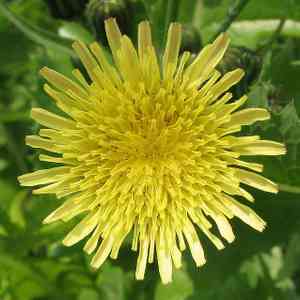
Spiny sowthistle (Sonchus asper)
Also known as: Rough Milk Thistle, Prickly sowthistle, Sharp-fringed sow thistle
The Prickly Lettuce, often regarded as a noxious and invasive weed, features dandelion-like flowers and spiny, yet edible, leaves. This plant can reach heights of up to 1.8 meters. When its leaves or stem are damaged, it exudes a milk-like sap.
In This Article
Attributes of Spiny sowthistle
Lifespan
Annual, Biennial
Plant Type
Herb
Plant Height
10 cm to 2 m
Spread
50 cm
Leaf Color
Green
Flower Size
1.6 cm to 1.7 cm
Flower Color
Yellow
Images of Spiny sowthistle
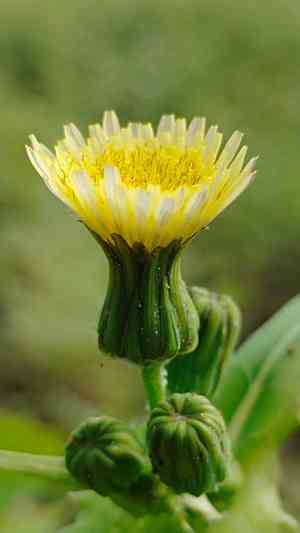
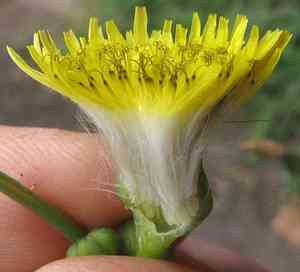
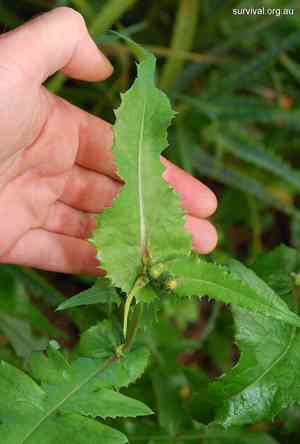
Quickly Identify Spiny sowthistle
1
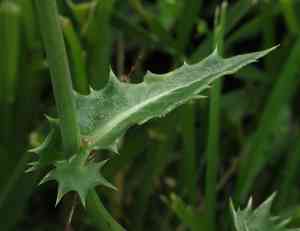
Spiny, lobed leaves with coarse margin spines.
2
Bright yellow composite flowers in clusters of 1 to 5.
3
Flat, spindle-shaped achenes with silky white tufts.
4
Dark green glossy leaves with white mid-vein.
5
Upright stem with sparse branching, reaching up to 3 feet (90 cm).
Scientific Classification of Spiny sowthistle
Phylum
Vascular plants
Class
Dicotyledons
Order
Asters bellflowers fanflowers and allies
Family
Daisy
Genus
Sowthistles
Species
Spiny sowthistle
Planting and Growing of Spiny sowthistle
Care Difficulty
Easy
Watering Schedule
Every 2 days
Sunlight Requirements
Full sun
Sunshine Duration
6-10 hours
Ideal Temperature
60-77℉
Soil Type
Potting Mix, Peat Mix
Soil pH
6.5-7.5
Fertilizer Type
Balanced
Pruning Season
Spring, Summer
Pruning Area
Branches, Leaves
Pruning Frequency
2 times a year
Repotting Season
Spring
Pot Type
Plastic, Ceramic
 How to Water Spiny sowthistle?
Sonchus asper typically requires moderate watering. It's best to ensure the soil is evenly moist but not soggy. Water approximately 250 ml each time, allowing it to soak through the soil evenly. This amount helps prevent both under-watering and over-watering.
What are the symptoms of an underwatered Spiny sowthistle?
›
What should I do if my Spiny sowthistle is not getting enough water?
›
What are the symptoms of an overwatered Spiny sowthistle?
›
How to save an overwatered Spiny sowthistle?
›
 What Are the Sunlight Requirements for Spiny sowthistle?
Partial to full sunlight is ideal for Sonchus asper. This range helps in maximizing foliage density and vitality, important for the plant's ecosystem role and visual appeal.
Preferred Light Conditions?
›
How to Achieve Ideal Lighting?
›
Benefits of Ideal Lighting?
›
 What Is the Ideal Temperature Range for Spiny sowthistle?
Sonchus asper thrives best in temperatures ranging from 60°F to 77°F. This temperature range supports optimal photosynthesis and growth rates, allowing the plant to flourish by maintaining a perfect balance of moisture and nutrient uptake. Cultivating Sonchus asper within this range ensures robust development and minimal stress, contributing to its vibrant foliage and overall health.
 What Soil is Best for Spiny sowthistle?
Sonchus asper thrives in well-drained soils that prevent waterlogging and promote root aeration. Proper drainage allows the plant roots to breathe and absorb nutrients efficiently, leading to healthier growth and resilience. For optimal growth, Sonchus asper benefits from soils rich in organic matter and essential nutrients. This enhances the plant's vitality by providing the necessary elements for photosynthesis and energy production. Slightly moist soils provide Sonchus asper with consistent hydration without causing root rot. This balance in moisture ensures the plant stays hydrated while avoiding the ailments associated with overly wet conditions.
 How to Fertilize Spiny sowthistle?
For Sonchus asper, it is best to use a balanced liquid fertilizer diluted to half the recommended strength. Apply 100 ml per plant per application, ensuring not to over-saturate the soil. The plant benefits from moderate nutrient availability, allowing it to thrive without overwhelming its root system.
 How to Prune Spiny sowthistle?
Start by identifying the stems that are overcrowded, damaged, or dead. Pruning these stems first will help open up the plant and improve air circulation, which is crucial for preventing diseases. When cutting back, make your cuts just above a leaf node. This encourages new growth just below your cut, helping to produce a denser, more robust plant. Avoid cutting more than one-third of the plant at once to prevent stress. If shaping the plant is your aim, trim it carefully to control its size and form. Aim for a rounded or symmetrical appearance to enhance its aesthetic appeal while maintaining its health through proper light exposure and air circulation.
 How to Propagate Spiny sowthistle plant?
1
Collect seeds from mature Sonchus asper plants by gently removing the dried flower heads. Ensure the seeds are fully matured for higher germination rates. Store them in a dry, cool place until you're ready to plant.
2
Fill a seed tray with a moist potting mix, ensuring it's evenly distributed. Lightly press the mix down to remove air pockets, as they can impede root growth and reduce seed germination success.
3
Sprinkle Sonchus asper seeds evenly over the surface of the potting mix. Cover them with a thin layer of mix to protect them while allowing light penetration, which aids germination. Water gently to avoid washing away the seeds.
 How to Repot Spiny sowthistle plant?
1
Repotting should be considered when Sonchus asper's roots start to outgrow the container, which often shows as roots poking out from drainage holes. Another signal is diminished growth or frequent wilting, indicating the soil is no longer providing enough nutrients or space.
2
Select a pot that is one size larger than the current one with adequate drainage holes. Clay pots are often preferred as they allow excess moisture to evaporate, reducing root rot risk and providing a more stable bottom with its weight.
3
A well-draining potting mix enriched with organic matter is vital for Sonchus asper. This ensures that while the soil is rich and nutritious, it doesn't retain excess moisture, which can cause root decay. The soil should mimic its natural habitat's airy and loose substrate.



