False spiraea (Sorbaria sorbifolia)
Also known as: False goat's beard, False spirea
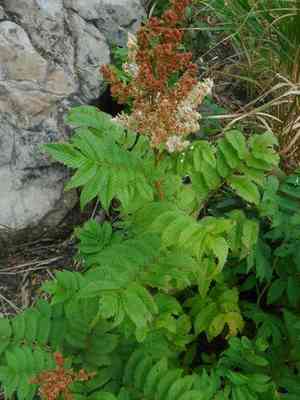
False spiraea (Sorbaria sorbifolia) is a deciduous shrub characterized by its feathery, compound leaves with serrated edges, which bear a resemblance to sumac foliage. In the summer, it produces appealing white flower clusters that are fluffy and panicle-shaped. Originating from temperate regions in Asia, this shrub has been introduced to Europe and North America, where it is often utilized as an ornamental plant.
In This Article
Attributes of False spiraea
Lifespan
Perennial
Plant Type
Shrub
Plant Height
2 m
Spread
1.5 m to 3 m
Leaf Color
Green Yellow
Flower Size
2.5 cm
Flower Color
White
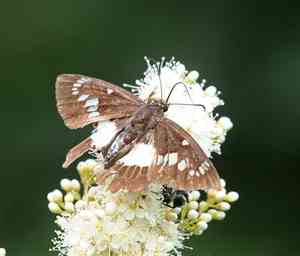
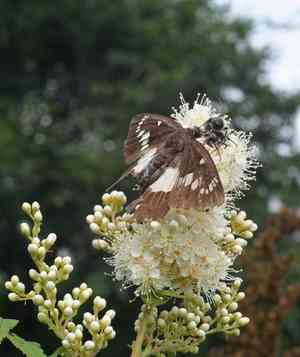
Images of False spiraea
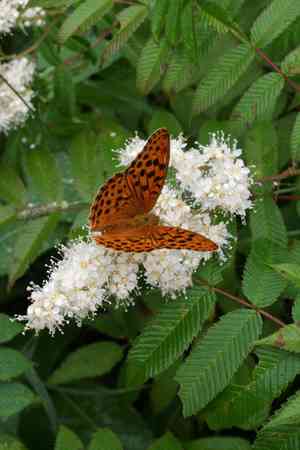
Quickly Identify False spiraea
1
Erect shrub reaching 5-10 feet (1.5-3 meters) in height and width.
2
Pinnate leaves resembling Sorbus genus, with serrated edges and 13-25 leaflets.
3
White flower clusters in 4-10 inches (10-25 cm) panicles, feathery appearance.
4
Dark green leaves, 8-12 inches (20-30 cm) long, maintaining greenish tone in fall.
Scientific Classification of False spiraea
Phylum
Vascular plants
Class
Dicotyledons
Order
Roses, elms, figs, and allies
Family
Rose
Genus
Sorbaria
Species
False spiraea
Planting and Growing of False spiraea
Care Difficulty
Easy
Watering Schedule
Every 8 days
Sunlight Requirements
Full sun
Sunshine Duration
4-8 hours
Ideal Temperature
60-75℉
Soil Type
Potting Mix, Peat Mix
Soil pH
6.5-7.5
Fertilizer Type
Balanced
Pruning Season
Spring, Summer
Pruning Area
Branches, Leaves
Pruning Frequency
2 times a year
Repotting Season
Spring
Pot Type
Plastic, Ceramic
 How to Water False spiraea?
For Sorbaria sorbifolia, water until the top 2 inches of soil are moist. Aim to provide approximately 500 ml per watering session, ensuring the soil is saturated but not waterlogged. The plant thrives best when the soil maintains a consistent level of moisture.
More About Watering Techniques→
What are the symptoms of an underwatered False spiraea?
›
What should I do if my False spiraea is not getting enough water?
›
What are the symptoms of an overwatered False spiraea?
›
How to save an overwatered False spiraea?
›
 What Are the Sunlight Requirements for False spiraea?
Sorbaria sorbifolia grows best in partial to full sun, ideally receiving at least four hours of direct sunlight daily. This range supports lush growth and vigorous blooming, vital for its decorative horticultural value.
More About Sunlight Requirements Techniques→
What is Sorbaria sorbifolia's ideal lighting environment?
›
How can I achieve ideal lighting for Sorbaria sorbifolia?
›
What are the benefits of ideal lighting for Sorbaria sorbifolia?
›
 What Is the Ideal Temperature Range for False spiraea?
For optimal growth, Sorbaria sorbifolia thrives best in temperatures ranging from 60°F to 75°F. This range supports robust foliage development and healthy root systems. Maintaining this ideal temperature ensures the plant can photosynthesize efficiently, promoting vibrant growth.
 What Soil is Best for False spiraea?
Sorbaria sorbifolia thrives in nutrient-rich soils that provide ample organic matter. This enhances the shrub's growth by ensuring an ample supply of essential nutrients required for its lush foliage and vigorous flowering. Well-drained soil is crucial for Sorbaria sorbifolia to prevent waterlogging, which can lead to root rot. Draining ensures that the roots remain healthy and reduces the risk of fungal infections, promoting overall plant vitality. Consistently moist soil is ideal for this shrub as it mimics its natural habitat. Keeping the soil slightly moist helps maintain the plant's turgor and supports its aggressive growth patterns during the growing season.
More About Soil→
 How to Fertilize False spiraea?
For Sorbaria sorbifolia, it is recommended to use a balanced liquid fertilizer diluted to half strength during the growing season. Apply about 200 ml of the diluted solution per plant to ensure adequate nutrition without risking nutrient burn.
More About Fertilizing Techniques→
 How to Prune False spiraea?
Begin by identifying dead, damaged, or diseased branches. These should be removed first to promote healthy growth and avoid pest infestation. Pursue a balanced look by cutting back branches that grow out of the natural shape or cross over others. Aim to open up the center of the plant to enhance air circulation. Control the plant's height by trimming the tallest branches back to a lateral bud or branch. This will maintain the desired height and encourage bushier growth. Every few years, undertake rejuvenation pruning by cutting the plant back to the ground to invigorate new growth. This can be done during early spring for the best results.
More About Pruning Techniques→
 How to Propagate False spiraea plant?
1
Harvest seeds from the plant in early autumn when the seed heads are dry and brown. Clean and dry the seeds before storage or planting.
2
Take softwood cuttings in spring or early summer. Cut 10-15 cm sections from healthy, disease-free branches and remove the lower leaves before planting.
3
In early spring, dig up the plant carefully and separate the root clumps into smaller sections, each with at least one shoot and a healthy root system, before replanting.
 How to Repot False spiraea plant?
1
The signals that Sorbaria sorbifolia needs repotting include roots growing out of drainage holes, soil drying out rapidly, or slowed growth. These signs usually indicate that the roots have outgrown their space or nutrient depletion.
2
Choose a pot that is one size larger than the current one, with adequate drainage holes. This size allows room for root expansion while providing stability and prevents waterlogging, which is crucial for healthy plant growth.
3
Opt for well-draining garden soil rich in organic matter. This soil type promotes healthy root growth and prevents water stagnation, ensuring that the plant receives necessary nutrients while maintaining proper moisture balance.



