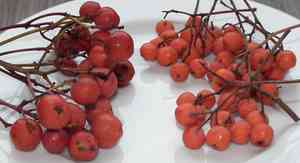
European mountain-ash (Sorbus aucuparia)
Also known as: Quickbeam, European Rowan, Quicken-Tree, Rowan, Witchwood, Ranty
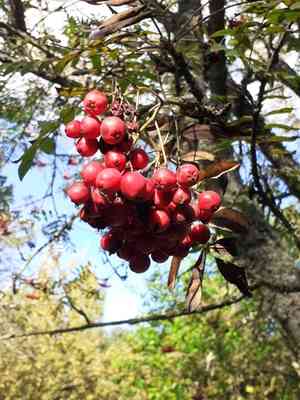
The European Rowan (Sorbus aucuparia), commonly called the European mountain-ash, is a deciduous tree indigenous to Europe. As it matures, it develops a slender trunk with branches that curve upward, forming a distinctive oval crown. The tree produces clusters of juicy, soft fruits that serve as a valuable food source for birds. Additionally, its foliage, which transitions from yellow to plum in the autumn, enhances its visual charm.
Attributes of European mountain-ash
Images of European mountain-ash
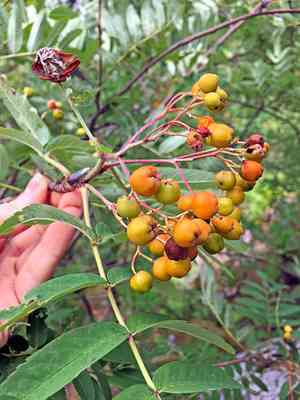
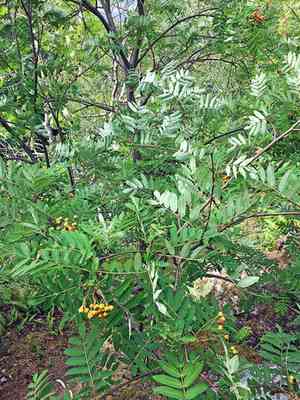
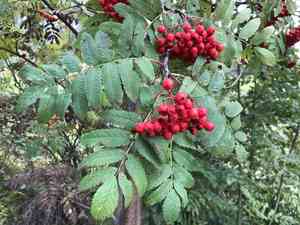
Quickly Identify European mountain-ash
Scientific Classification of European mountain-ash
Planting and Growing of European mountain-ash
 How to Water European mountain-ash?
 What Are the Sunlight Requirements for European mountain-ash?
 What Is the Ideal Temperature Range for European mountain-ash?
 What Soil is Best for European mountain-ash?
 How to Fertilize European mountain-ash?
 How to Prune European mountain-ash?
 How to Propagate European mountain-ash plant?
 How to Repot European mountain-ash plant?
Toxicity of European mountain-ash
Is European mountain-ash toxic to cat?
The European mountain-ash is known to possess a minor toxicity to cats. Felines are most vulnerable to poisoning when they ingest the fruit of the European mountain-ash in significant quantities. Cats that have consumed a large amount may exhibit signs of physical distress, indicating that they are not feeling well. Should ingestion be suspected, it is crucial to obtain immediate veterinary assistance. Timely intervention by a professional is essential for addressing the health concerns of a cat affected by European mountain-ash poisoning.
Is European mountain-ash toxic to dog?
The European mountain-ash should be considered mildly toxic to dogs, particularly when they consume its berries in excessive quantities. While a few berries here and there are typically harmless, ingesting large amounts can result in poisoning. Dog owners must remain alert and ensure their pets are kept away from areas abundant with European mountain-ash, especially during the harvesting season. Poisoning symptoms may manifest as gastrointestinal issues, including vomiting or diarrhea, while more severe instances could lead to additional health complications. If a dog shows signs of distress after eating parts of the European mountain-ash, it is critical to seek swift veterinary attention to address any potential risks and safeguard the animal's health.



