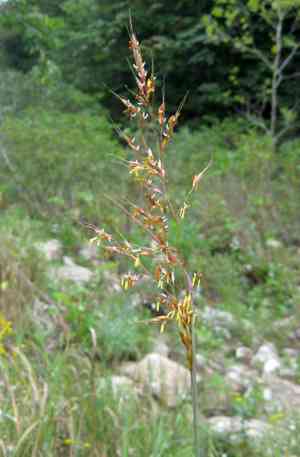
Yellow indiangrass (Sorghastrum nutans)
Also known as: Wood grass
Yellow Indiangrass (Sorghastrum nutans) is a perennial grass known for its golden brown plumes that exhibit a metallic sheen. Growing between 91 and 244 cm tall, it serves as a valuable forage for livestock. However, due to its aggressive spreading nature, it is not recommended for landscaped areas.
In This Article
Attributes of Yellow indiangrass
Lifespan
Perennial
Plant Type
Grass
Plant Height
1.5 m to 2 m
Spread
30 cm to 60 cm
Leaf Color
Green Blue
Flower Size
15 cm
Flower Color
Yellow Brown Red Gold
Images of Yellow indiangrass
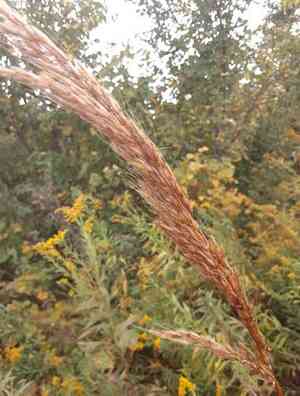
Quickly Identify Yellow indiangrass
1
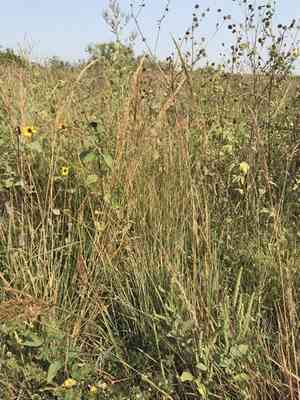
Tall perennial bunchgrass, 5-7 feet (1.5-2.1 meters) in height.
2
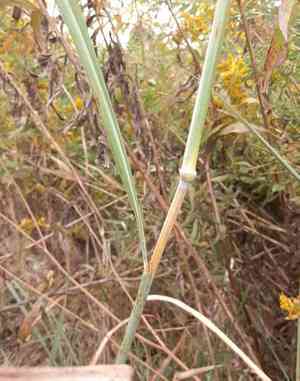
Distinctive blue-green foliage with a prominent midrib.
3
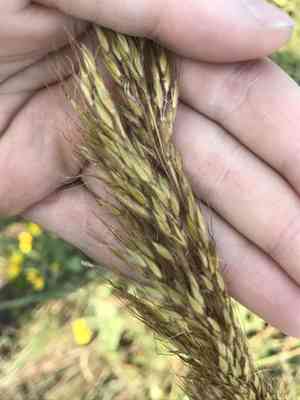
Elegant yellow flower panicles up to 12 inches (30 cm) long.
4
Small, dry caryopsis fruit, approximately 2 mm (0.08 inches) in length.
5
Leaves are slender, up to 2 feet (60 cm) long, with blue-green color transitioning to orange-yellow.
Scientific Classification of Yellow indiangrass
Phylum
Vascular plants
Class
Monocotyledons
Order
Poales
Family
Grass
Genus
Indiangrasses
Species
Yellow indiangrass
Planting and Growing of Yellow indiangrass
Care Difficulty
Easy
Watering Schedule
Every 2 days
Sunlight Requirements
Full sun
Sunshine Duration
6-10 hours
Ideal Temperature
65-75℉
Soil Type
Potting Mix, Peat Mix
Soil pH
6.5-7.5
Fertilizer Type
Balanced
Pruning Season
Spring, Summer
Pruning Area
Branches, Leaves
Pruning Frequency
2 times a year
Repotting Season
Spring
Pot Type
Plastic, Ceramic
 How to Water Yellow indiangrass?
Sorghastrum nutans prefers a moderate amount of water, ensuring the soil is consistently moist but not waterlogged. Watering with 500 ml each time should keep the soil at the desired level of moisture, benefiting root growth.
What are the symptoms of an underwatered Yellow indiangrass?
›
What should I do if my Yellow indiangrass is not getting enough water?
›
What are the symptoms of an overwatered Yellow indiangrass?
›
How to save an overwatered Yellow indiangrass?
›
 What Are the Sunlight Requirements for Yellow indiangrass?
Sorghastrum nutans thrives best in full sun to partial sun, receiving 6 to 8 hours of light daily. This range ensures vigorous growth, brilliant foliage, and enhanced resilience against pests and diseases.
More About Sunlight Requirements Techniques→
Light Intensity
›
Solution for Ideal Light
›
Achieving Ideal Light Benefits
›
 What Is the Ideal Temperature Range for Yellow indiangrass?
The ideal temperature range for Sorghastrum nutans is between 65°F to 75°F. This warm season grass thrives best in this range, ensuring optimal photosynthesis and growth. This range helps the plant maintain robust health and support its ecological functions. Growing outside this range may stress the plant and inhibit its development.
 What Soil is Best for Yellow indiangrass?
Sorghastrum nutans thrives in well-drained soils as it prevents root rot and ensures adequate air circulation around the roots, vital for healthy growth and resilience against diseases. While tolerant of dry conditions, Sorghastrum nutans benefits from soils that can hold moderate moisture, providing essential hydration during growth spurts, especially in dry climates. This plant prefers a nutrient-rich soil to support its growth and vibrant foliage. Adding organic matter can enhance the soil’s fertility, promoting lush and vigorous plant development.
 How to Fertilize Yellow indiangrass?
Sorghastrum nutans, commonly known as Indiangrass, typically requires moderate fertilization. For liquid fertilizers, you should use a diluted solution with a concentration of about half-strength. Each application should be enough to thoroughly moisten the soil without causing runoff, typically around 1 gallon per square foot if you’re fertigating a garden area.
 How to Prune Yellow indiangrass?
Begin pruning Sorghastrum nutans by first examining the plant for any dead or diseased leaves, which should be removed promptly. Use sharp, clean shears to cut these leaves near the base. Focus on thinning out dense areas by cutting some of the older stems to ground level, which will promote better air circulation and sunlight penetration. Avoid cutting more than one-third of the plant in a single session to prevent stress. After pruning, consider applying a thin layer of mulch around the base to conserve moisture and regulate soil temperature.
More About Pruning Techniques→
 How to Propagate Yellow indiangrass plant?
1
Collect mature seeds in late autumn from healthy Sorghastrum nutans plants. Ensure the seeds are fully developed and dry them thoroughly before storage or planting.
2
Prepare a well-draining, fertile soil mix in seed trays or small pots. Sorghastrum nutans prefers loamy soil with good aeration and moderate fertility to encourage seedling growth.
3
To propagate through division, dig out mature clumps in spring and early summer. Ensure each division has sufficient roots and shoots before replanting them in prepared soil.
 How to Repot Yellow indiangrass plant?
1
Sorghastrum nutans should be repotted when growth slows or roots crowd the pot. Look for roots protruding from drainage holes, reduced vigor, or water that no longer permeates the soil. These signs signal it's time for a new home and fresh nutrients.
2
Opt for a pot 1-2 inches larger in diameter than the current one. Preferably, use a clay or terracotta container, which aids in moisture regulation. This choice prevents root rot by ensuring adequate aeration for healthy root development and stability.
3
Select lightly packed, well-draining soil, ideally a sandy mix to mimic natural conditions. This promotes robust root growth and prevents waterlogging, crucial for maintaining the healthy growth of Sorghastrum nutans with each rain or watering.



