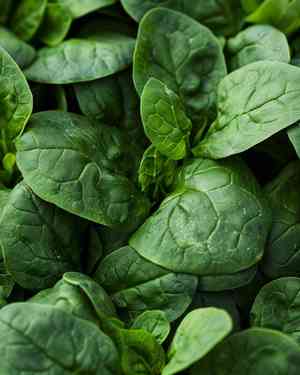
Spinach (Spinacia oleracea)
Also known as: Spinach
Spinach (Spinacia oleracea) is widely regarded as a nutrient-rich vegetable, often termed a 'superfood.' This leafy green is abundant in essential vitamins, such as A, C, and K, as well as minerals like iron and magnesium. Additionally, spinach is a good source of folate and dietary fiber. It is cultivated globally and serves as a valuable component of a healthy diet.
Attributes of Spinach
Images of Spinach

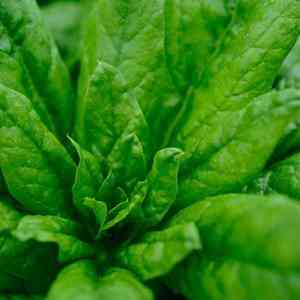
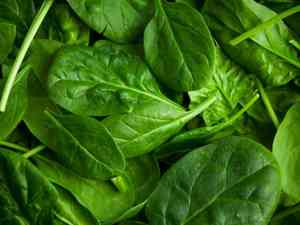
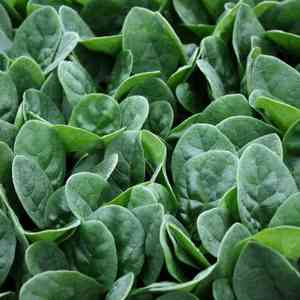
Quickly Identify Spinach
Scientific Classification of Spinach
Planting and Growing of Spinach
 How to Water Spinach?
 What Are the Sunlight Requirements for Spinach?
 What Is the Ideal Temperature Range for Spinach?
 What Soil is Best for Spinach?
 How to Fertilize Spinach?
 How to Prune Spinach?
 How to Propagate Spinach plant?
 How to Repot Spinach plant?
Toxicity of Spinach
Is Spinach toxic to cat?
Spinach is recognized as a toxic plant for cats. Felines may inadvertently consume bits of spinach, which can result in poisoning due to the presence of harmful compounds in its leaves, flowers, and stems. Upon ingestion, a cat could show a range of physical distress symptoms, although the precise elements contributing to its toxicity are not discussed in this summary. If a cat ingests spinach, it is crucial to obtain immediate veterinary care to reduce the health hazards linked to its toxic effects.
Is Spinach toxic to dog?
Spinach is deemed toxic to dogs. Dogs might inadvertently consume various parts of this plant, including leaves, flowers, or stems, resulting in potential poisoning. If a dog eats spinach, it could show symptoms ranging from gastrointestinal distress to weakness or, in more severe cases, serious clinical manifestations, depending on how much was ingested. It is essential for dog owners to be alert and keep their pets away from spinach. Should ingestion be suspected, prompt veterinary intervention is vital to safeguard the health and well-being of the impacted dog.



