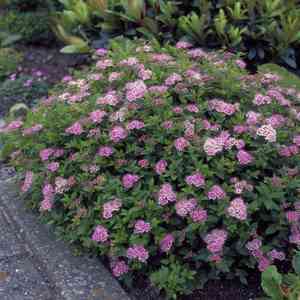
Japanese meadowsweet (Spiraea japonica)
Also known as: Japanese Spirea, Japanese Meadowsweet
Japanese meadowsweet can become problematic due to its rapid spread, forming dense thickets that can overshadow native vegetation. Originally from Japan, Korea, and China, it was brought to other regions for its appealing flowers. It's crucial to manage it carefully to prevent it from becoming invasive and disrupting local plant communities.
In This Article
Attributes of Japanese meadowsweet
Lifespan
Perennial
Plant Type
Shrub
Plant Height
1 m to 1.5 m
Spread
1.5 m to 2 m
Leaf Color
Green Yellow
Flower Size
4 mm to 7 mm
Flower Color
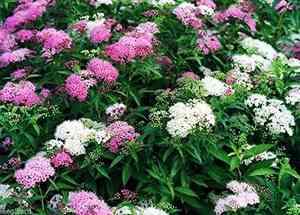
Pink White Red
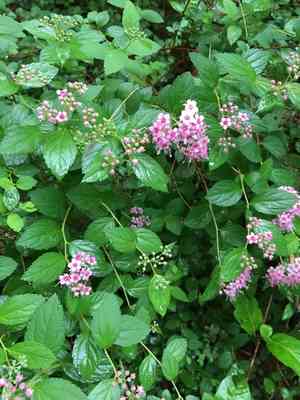
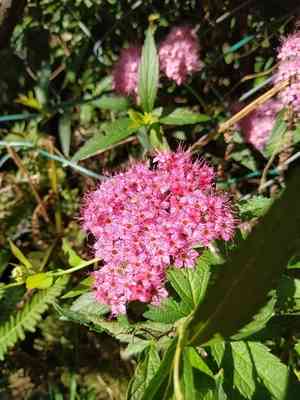
Images of Japanese meadowsweet
Quickly Identify Japanese meadowsweet
1
Dense mound-shaped growth up to 6 feet (1.8 meters) in height and spread.
2
Oval leaves with sharp-toothed margins, transitioning from green to bronze.
3
Small deep pink flowers in terminal corymbs up to 8 inches (20 cm).
4
Distinctive elongated follicle fruits, ripening to brown, in small clusters.
5
Wiry brown stems with thin, hairy branches, around 1/8 inch (0.3 cm) in diameter.
Scientific Classification of Japanese meadowsweet
Phylum
Vascular plants
Class
Dicotyledons
Order
Roses, elms, figs, and allies
Family
Rose
Genus
Spirea
Species
Japanese meadowsweet
Planting and Growing of Japanese meadowsweet
Care Difficulty
Easy
Watering Schedule
Every 8 days
Sunlight Requirements
Full sun
Sunshine Duration
6-10 hours
Ideal Temperature
65-75℉
Soil Type
Potting Mix, Peat Mix
Soil pH
6-7.5
Fertilizer Type
Balanced
Pruning Season
Spring, Summer
Pruning Area
Branches, Leaves
Pruning Frequency
2 times a year
Repotting Season
Spring
Pot Type
Terracotta, Plastic
 How to Water Japanese meadowsweet?
For Spiraea japonica, it's important to water until the soil is moist but not soggy. Approximately 500 milliliters per watering session is a good rule to follow, ensuring that the root zone receives adequate moisture without waterlogging the plant.
More About Watering Techniques→
What are the symptoms of an underwatered Japanese meadowsweet?
›
What should I do if my Japanese meadowsweet is not getting enough water?
›
What are the symptoms of an overwatered Japanese meadowsweet?
›
How to save an overwatered Japanese meadowsweet?
›
 What Are the Sunlight Requirements for Japanese meadowsweet?
Spiraea japonica ideally enjoys full to partial sun exposure. Proper light enhances its flowering potential and overall health, promoting vibrant growth and pest resistance.
More About Sunlight Requirements Techniques→
What is the ideal lighting requirement for Spiraea japonica?
›
How can I ensure Spiraea japonica receives its ideal lighting conditions?
›
What are the benefits of Spiraea japonica receiving ideal lighting conditions?
›
 What Is the Ideal Temperature Range for Japanese meadowsweet?
The ideal temperature range for Spiraea japonica lies between 65°F and 75°F. This range provides the optimal conditions for photosynthesis and other metabolic activities that support healthy growth and flowering. Temperatures within this range facilitate proper development without causing stress to the plant.
 What Soil is Best for Japanese meadowsweet?
Spiraea japonica thrives in nutrient-rich soils that provide essential minerals for its growth. The presence of organic matter in loam or sandy loam enhances fertility and supports healthy root development, leading to vibrant blooms. Proper drainage is crucial for Spiraea japonica to avoid root rot and other water-related issues. Sandy loam facilitates excess water drainage while retaining some moisture to sustain plant hydration, optimizing growth and overall vigor. Consistent soil moisture without waterlogging is ideal. This balance ensures that Spiraea japonica receives adequate hydration, crucial for nutrient absorption and photosynthesis, without the detrimental effects of standing water.
More About Soil→
 How to Fertilize Japanese meadowsweet?
For Spiraea japonica, it is important to use a balanced fertilizer with an N-P-K ratio around 10-10-10. When using liquid fertilizer, a dilution of approximately 1 tablespoon per gallon of water is recommended. For slow-release fertilizers, apply about 1 pound per 100 square feet. These amounts ensure robust growth without risking nutrient burn.
More About Fertilizing Techniques→
 How to Prune Japanese meadowsweet?
Start by removing any dead or damaged wood, which will help improve air circulation within the plant. Next, cut back old flower heads to promote a second flush of blooms. Trim the branches back by about one-third to encourage denser bushiness. Always use sharp, clean tools to make precise cuts just above a healthy bud.
More About Pruning Techniques→
 How to Propagate Japanese meadowsweet plant?
1
Harvest seed pods from mature Spiraea japonica plants in late spring. Ensure the pods are dry and fully developed to maximize germination rates when you plant the seeds.
2
Choose healthy, semi-hardwood stems for cuttings in early spring. Cut just below a node with sharp shears, then remove leaves from the lower half to prepare them for rooting.
3
In spring, carefully dig up mature Spiraea japonica plants and divide sections using a sharp spade. Each division should have roots and stems to ensure successful transplantation.
 How to Repot Japanese meadowsweet plant?
1
Spiraea japonica should be repotted when you notice its growth slowing down or when roots begin protruding from the drainage holes. This often indicates that the plant has outgrown its current container. Spring and autumn are optimal times for repotting, allowing the plant to establish itself before extreme temperatures.
2
Select a pot that is slightly larger than the current one, ideally about 2 inches wider. Ensure it has good drainage holes to prevent waterlogging, which could harm the roots. A ceramic or clay pot is preferable as it can help regulate soil moisture. The right pot can improve air circulation to the roots and promote healthy growth.
3
A well-draining loam mix is essential for Spiraea japonica. This type of soil keeps the roots from sitting in water, reducing the risk of root rot. The addition of organic matter can enhance soil fertility, providing essential nutrients that encourage healthy and vibrant foliage.
Learn More About Japanese meadowsweet Diseases
Anthracnose
Bacterial Leaf Spot
Black Spot
Chemical Injury
Crown Gall
Damping-off
Downy Mildew
Drought Stress
Fusarium Wilt
Gray Mold
Leaf Curl
Leaf Spot
Mosaic
Nutrient Deficiency
Nutrient Toxicity
Powdery Mildew
Root Rot
Root-knot Nematode
Rusts
Sooty Mold
Spider Mites
Temperature Stress
Thrips Damage
White Mold



