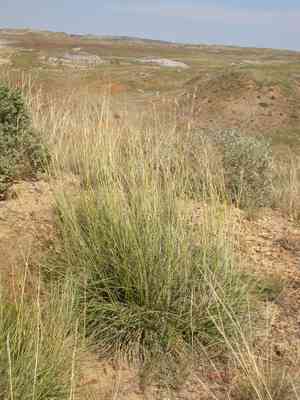
Alkali sacaton (Sporobolus airoides)
Also known as: alkali sacaton
Alkali sacaton, a grass species native to western North America, is well-regarded for its resilience in alkaline soils. This adaptability makes it particularly useful for habitat regeneration efforts.
In This Article
Attributes of Alkali sacaton
Lifespan
Perennial
Plant Type
Grass
Plant Height
30 cm to 91 cm
Spread
Typically 30-45 cm (12-18 inches) wide
Leaf Color
Green Gray
Flower Size
2.5 cm
Flower Color
Yellow Pink
Images of Alkali sacaton
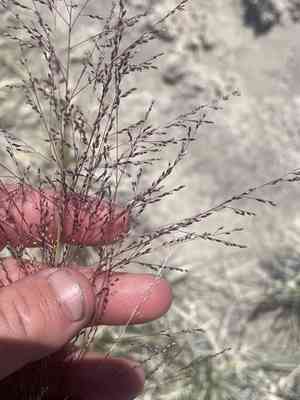
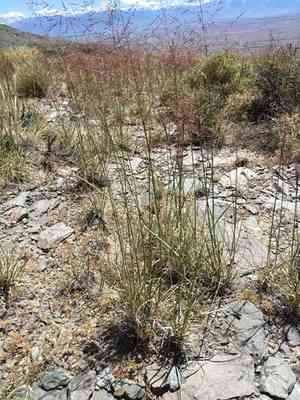
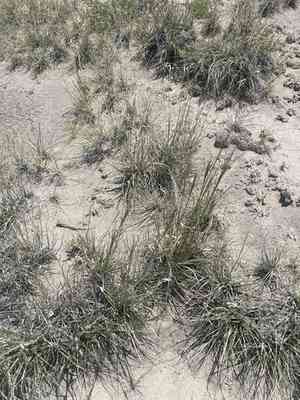
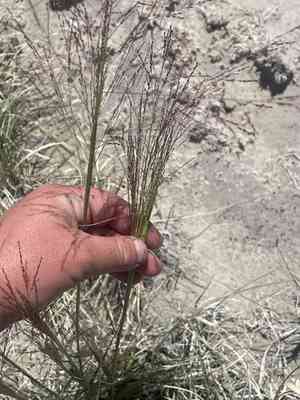
Quickly Identify Alkali sacaton
1
Linear leaves up to 12 inches (30 cm) long.
2
Airy panicles with small, rounded seeds.
3
Flowers with pink blooms transitioning to silvery.
4
Gray-green leaves turning vivid yellow in fall.
5
Stem up to 3 feet (90 cm), upright growth.
Scientific Classification of Alkali sacaton
Phylum
Vascular plants
Class
Monocotyledons
Order
Poales
Family
Grass
Genus
Dropseeds
Species
Alkali sacaton
Planting and Growing of Alkali sacaton
Care Difficulty
Easy
Watering Schedule
Every 2 days
Sunlight Requirements
Full sun
Sunshine Duration
4-6 hours
Ideal Temperature
60-85℉
Soil Type
Potting Mix, Peat Mix
Soil pH
6.5-7.5
Fertilizer Type
Balanced
Pruning Season
Spring, Summer
Pruning Area
Branches, Leaves
Pruning Frequency
2 times a year
Repotting Season
Spring
Pot Type
Plastic, Ceramic
 How to Water Alkali sacaton?
Sporobolus airoides, or alkali sacaton, is adapted to arid environments, so it doesn't require frequent watering. The key is to water it deeply, allowing moisture to penetrate the soil deeply, avoiding shallow surface watering. Roughly 500 ml per watering is sufficient when ensuring that at least the top 6 inches of soil are moist.
What are the symptoms of an underwatered Alkali sacaton?
›
What should I do if my Alkali sacaton is not getting enough water?
›
What are the symptoms of an overwatered Alkali sacaton?
›
How to save an overwatered Alkali sacaton?
›
 What Are the Sunlight Requirements for Alkali sacaton?
Ideal light range is full sun to partial sun. This ensures Sporobolus airoides maintains a steady rate of photosynthesis and robust growth, enabling it to thrive in varying environmental conditions.
More About Sunlight Requirements Techniques→
What is the best lighting setup for Sporobolus airoides?
›
How can we ensure Sporobolus airoides receives the ideal light?
›
What benefits does Sporobolus airoides gain from ideal lighting conditions?
›
 What Is the Ideal Temperature Range for Alkali sacaton?
Sporobolus airoides thrives best within a temperature range of 60°F to 85°F. This range supports the plant's physiological processes, ensuring optimal photosynthesis and nutrient uptake. A stable temperature within this range helps the plant acclimate well and produce lush, healthy growth.
 What Soil is Best for Alkali sacaton?
Sporobolus airoides flourishes in well-drained soil. Ensuring proper drainage prevents waterlogging, which can lead to root rot, thus allowing the roots to access oxygen and vital nutrients efficiently. Although not extremely demanding, Sporobolus airoides benefits from a nutrient-rich soil that supports healthy growth. The presence of essential minerals promotes lush foliage and robust structural development. While it can withstand drought conditions, this plant prefers soil that retains moderate amounts of moisture. This characteristic assists in enduring prolonged dry periods by maintaining a minimal water supply.
 How to Fertilize Alkali sacaton?
Sporobolus airoides thrives with a moderate amount of fertilizer. Too little can stunt its growth, while too much can harm its root system. When applying liquid fertilizer, use about 1/4 strength of the recommended amount to avoid burning the roots.
 How to Prune Alkali sacaton?
Start by inspecting the plant for dead or damaged leaves, which are often brown and dry. Use clean, sharp pruning shears to trim these away at the base. However, be careful not to cut into the crown of the plant. This will help keep your grass tidy and free of disease. Sporobolus airoides can be shaped slightly by pruning. Trim any excessively long blades to maintain a uniform appearance, especially after the growing season, as this grass tends to clump and spread. Aim to keep the plant aesthetically pleasing while allowing sufficient space for healthy air circulation. After pruning, ensure the soil around the plant is moist but well-draining. This helps the plant recover quickly. Apply a balanced, slow-release fertilizer to provide the plant with necessary nutrients. This is particularly important if a significant amount of foliage has been removed.
 How to Propagate Alkali sacaton plant?
1
Fill seed trays with a well-draining potting mix. Ensure the soil is moist but not waterlogged. This provides a suitable environment for seed germination, encouraging strong root development.
2
Sow Sporobolus airoides seeds on the surface of the prepared trays. Lightly cover them with a thin layer of soil or vermiculite to maintain moisture, as light aids in their germination process.
3
For division, dig up established clumps in early spring. Use a sharp spade to divide the root ball into smaller sections, ensuring each has an ample root system and shoots for new growth.
 How to Repot Alkali sacaton plant?
1
Sporobolus airoides signals its need for repotting when its roots begin to encircle the pot tightly, or you notice water draining unusually fast through the potting mix. These signs typically appear after two to three growing seasons. Ideally, repotting should be delayed until the plant enters a period of active growth, providing it the strength to adapt quickly.
2
Opt for a pot that is only slightly larger than its current housing. This will ensure that the plant does not become overwhelmed by excess soil and moisture, which can lead to root rot. Terra cotta pots are ideal because they allow better air circulation, promoting healthy root development for your Sporobolus airoides.
3
A well-draining sandy soil mix mimics the plant's natural habitat. This type of soil prevents water from lingering near the roots, reducing the risk of rot. Added perlite or coarse sand will ensure good aeration and drainage, providing a balanced environment for your grass.



