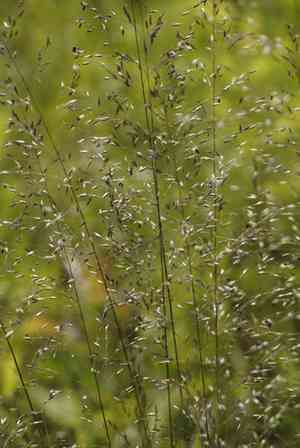
Prairie Dropseed (Sporobolus heterolepis)
Also known as: Prairie Drop Seed
Prairie Dropseed is an appealing choice for garden borders due to its fine-textured, arching foliage and low-maintenance nature. This native grass is drought-tolerant and helps suppress weeds, making it a practical addition to home gardens. It produces small pink or brown flowers with a subtle fragrance resembling cilantro or sunflower seeds, which attract various birds. However, it can also draw in grasshoppers. Despite its beauty, Prairie Dropseed is endangered in some wild areas, highlighting its ecological value.
In This Article
Attributes of Prairie Dropseed
Lifespan
Perennial
Plant Type
Grass
Plant Height
61 cm to 91 cm
Spread
60 cm to 90 cm
Leaf Color
Green Blue
Flower Size
15 cm
Flower Color
Brown Green Yellow
Images of Prairie Dropseed
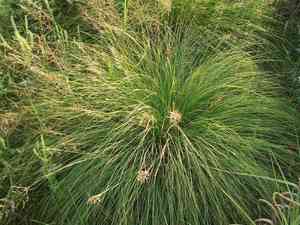
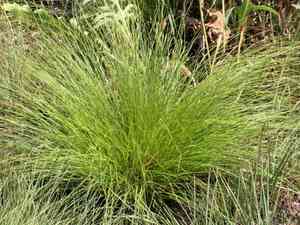
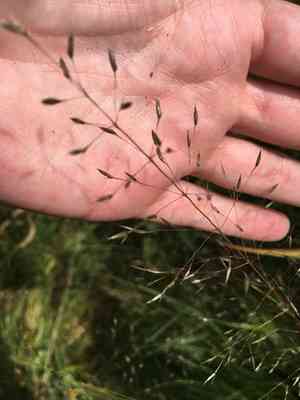
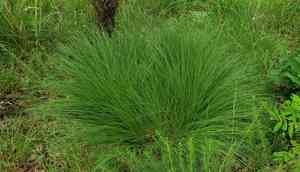
Quickly Identify Prairie Dropseed
1
Fine, hair-like leaves create dense tufted appearance.
2
Distinctive fragrance of flowers resembling buttered popcorn.
3
Smooth, brown achenes blend seamlessly with surroundings.
4
Leaves transition from glossy green to deep orange in fall.
5
Robust clumps reach up to 2 feet (60 cm) in height.
Scientific Classification of Prairie Dropseed
Phylum
Vascular plants
Class
Monocotyledons
Order
Poales
Family
Grass
Genus
Dropseeds
Species
Prairie Dropseed
Planting and Growing of Prairie Dropseed
Care Difficulty
Easy
Watering Schedule
Every 3 days
Sunlight Requirements
Full sun
Sunshine Duration
6-10 hours
Ideal Temperature
65-75℉
Soil Type
Potting Mix, Peat Mix
Soil pH
6.5-7.5
Fertilizer Type
Balanced
Pruning Season
Spring, Summer
Pruning Area
Branches, Leaves
Pruning Frequency
2 times a year
Repotting Season
Spring
Pot Type
Plastic, Ceramic
 How to Water Prairie Dropseed?
For Sporobolus heterolepis, each watering session should ensure the soil is moist but not waterlogged. It’s crucial to saturate the soil about 500 ml per session, allowing excess water to drain away freely. The goal is to mimic natural rainfall patterns without drowning the roots.
What are the symptoms of an underwatered Prairie Dropseed?
›
What should I do if my Prairie Dropseed is not getting enough water?
›
What are the symptoms of an overwatered Prairie Dropseed?
›
How to save an overwatered Prairie Dropseed?
›
 What Are the Sunlight Requirements for Prairie Dropseed?
Preferring full sun, this plant thrives under constant exposure, promoting healthy, lush appearance and maximizing flowering potential without the risk of sunburn.
More About Sunlight Requirements Techniques→
What is the perfect amount of sunlight?
›
How to ensure ideal sunlight conditions?
›
What are the benefits of ideal sunlight exposure?
›
 What Is the Ideal Temperature Range for Prairie Dropseed?
The ideal temperature range for Sporobolus heterolepis is between 65°F and 75°F. This range provides optimal conditions for growth and development, ensuring that the plant can photosynthesize effectively and maintain healthy metabolic functions. In this range, the plant experiences minimal stress and can allocate resources towards robust growth and reproduction.
 What Soil is Best for Prairie Dropseed?
Sporobolus heterolepis thrives in well-drained soil, which prevents root rot by allowing excess water to escape quickly. This promotes a healthy root system, ensuring robust growth and a lush appearance. Moderate nutrient levels in the soil are ideal for this plant, as overly rich soils can lead to excessive growth and weaker structures. Proper nutrient balance supports steady growth and vibrant foliage. This plant prefers soil with a slightly acidic to neutral pH range. Maintaining this pH ensures optimal nutrient availability, allowing the grass to absorb essential minerals more efficiently.
 How to Fertilize Prairie Dropseed?
When fertilizing Sporobolus heterolepis, apply a balanced liquid fertilizer at half strength to avoid over-fertilization. Use about 1/4 cup per gallon of water, ensuring even distribution across the soil to nourish the plant without overburdening it.
 How to Prune Prairie Dropseed?
Start by removing any dead or damaged foliage. Use sharp, clean shears to cut back the plant by about one-third of its height during the early spring to encourage fresh growth. In autumn, trim back the flower stalks after they have bloomed and become brown, which keeps the plant tidy and prepares it for the dormant winter period.
More About Pruning Techniques→
 How to Propagate Prairie Dropseed plant?
1
Harvest seeds from mature Sporobolus heterolepis plants after the flowering season. Ensure seeds are fully ripened and dried before storing them in a cool, dry place.
2
Choose a well-draining mix for sowing seeds or dividing clumps. Incorporate organic matter to enhance soil fertility, creating an optimal environment for young plants.
3
For seed propagation, sprinkle seeds evenly in trays and cover lightly with soil. For division, separate the root clumps and plant them directly into the prepared soil.
 How to Repot Prairie Dropseed plant?
1
Sporobolus heterolepis requires repotting when its roots start peeking out from the drainage holes or the soil is crusted and exhausted. Ideal repotting time is during active growing seasons like spring or summer for optimal root establishment.
2
Select a pot that's one size larger with ample drainage to avoid waterlogging. A pot with at least one drainage hole is crucial, preventing root rot and ensuring the grass stays healthy and thriving.
3
Opt for well-draining sandy soil to mimic its natural prairie conditions. This type of soil balances moisture retention while allowing excess water to escape, keeping the roots from becoming waterlogged.



