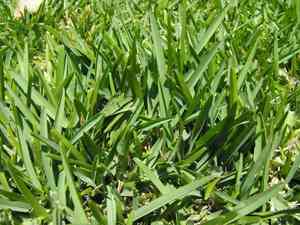
Buffalo grass (Stenotaphrum secundatum)
Also known as: Saint Augustine Grass, St. Augustine's grass, Buffalo turf
Buffalo grass, also called St. Augustine grass (Stenotaphrum secundatum), flourishes in warm, tropical, and Mediterranean climates. It is particularly prevalent in the southern United States, such as Florida and Texas, as well as in Hawaii, South Africa, and New Zealand. This grass is a popular choice for lawns in these regions due to its ability to withstand heat and humidity.
In This Article
Attributes of Buffalo grass
Lifespan
Perennial
Plant Type
Grass
Plant Height
10 cm to 30 cm
Spread
1 m
Leaf Color
Green Blue
Flower Size
1 cm
Flower Color
Green Brown
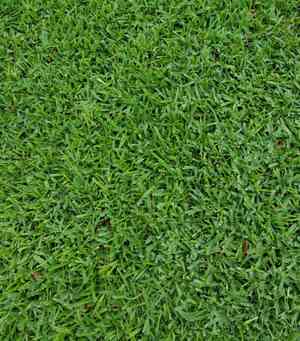
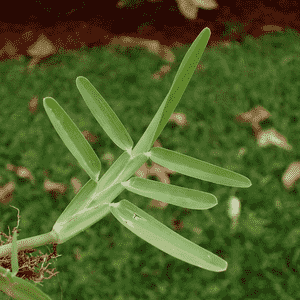
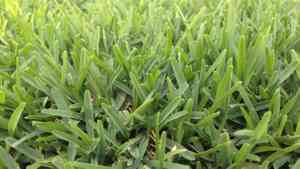
Images of Buffalo grass
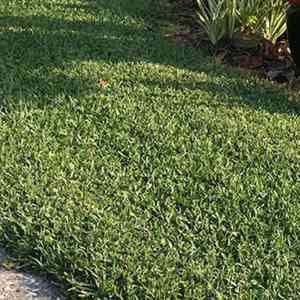
Quickly Identify Buffalo grass
1
Robust, creeping growth habit forming dense mats.
2
Leaves broad, flat, dark green, 0.1-0.5 inches wide.
3
Stems smooth, green, cylindrical, branching from nodes.
4
Inflorescences subtle, hidden, with paired spikelets.
5
Salt-tolerant plant found in coastal regions.
Scientific Classification of Buffalo grass
Phylum
Vascular plants
Class
Monocotyledons
Order
Poales
Family
Grass
Genus
St. Augustine grasses
Species
Buffalo grass
Planting and Growing of Buffalo grass
Care Difficulty
Easy
Watering Schedule
Every 4 days
Sunlight Requirements
Full sun
Sunshine Duration
6-10 hours
Ideal Temperature
75-90℉
Soil Type
Potting Mix, Peat Mix
Soil pH
6.5-7.5
Fertilizer Type
Balanced
Pruning Season
Spring, Summer
Pruning Area
Branches, Leaves
Pruning Frequency
2 times a year
Repotting Season
Spring
Pot Type
Plastic, Ceramic
 How to Water Buffalo grass?
For Stenotaphrum secundatum, ensure the soil is moist but not waterlogged. Watering with about 500 ml each time helps maintain the right balance for healthy growth. The soil should be damp to the touch but allow excess water to drain completely.
What are the symptoms of an underwatered Buffalo grass?
›
What should I do if my Buffalo grass is not getting enough water?
›
What are the symptoms of an overwatered Buffalo grass?
›
How to save an overwatered Buffalo grass?
›
 What Are the Sunlight Requirements for Buffalo grass?
Stenotaphrum secundatum thrives best with 4 to 8 hours of sunlight, promoting strong growth, a plush green texture, and improving disease resistance, ensuring that the lawn remains lush and attractive throughout the seasons.
More About Sunlight Requirements Techniques→
Best Season
›
Managing Shade
›
Monitoring Light Levels
›
 What Is the Ideal Temperature Range for Buffalo grass?
The ideal temperature range for Stenotaphrum secundatum, or St. Augustine grass, is between 75°F and 90°F. These temperatures provide optimal conditions for photosynthesis and growth, ensuring that the grass maintains its vibrant color and resilience. Temperature within this range helps in keeping the plant's metabolic activities at their peak.
 What Soil is Best for Buffalo grass?
Stenotaphrum secundatum thrives best in well-drained soil as its roots need oxygen to grow. Proper drainage prevents waterlogging, which can lead to root rot and other fungal diseases. This ensures the grass stays healthy and vibrant, giving you a lush green lawn. This plant benefits from nutrient-rich soil, which provides essential elements such as nitrogen and phosphorus for robust growth. Incorporating organic matter like compost can enhance soil fertility, leading to a denser and greener turf. The soil for Stenotaphrum secundatum should retain moderate moisture without becoming too soggy. This aids in maintaining optimal hydration, ensuring the plant receives enough water without drowning its roots, promoting healthy development.
More About Soil→
 How to Fertilize Buffalo grass?
Stenotaphrum secundatum, commonly known as St. Augustine grass, requires careful fertilization to ensure lush growth. Typically, it's recommended to apply 0.5 to 1 pound of nitrogen per 1,000 square feet per application. This should be adjusted based on soil test results and specific grass health conditions.
More About Fertilizing Techniques→
 How to Prune Buffalo grass?
Set your mower to a height of about 2.5 to 4 inches. This height helps to shade the soil, reduces water evaporation, and minimizes weed growth, contributing to a vibrant lawn. During the hottest months, allow the grass to grow a bit longer to protect the roots from heat stress. This helps conserve moisture and supports a healthier lawn.
More About Pruning Techniques→
 How to Propagate Buffalo grass plant?
1
Select a healthy section of the plant and use sharp pruners to cut a piece approximately 4-6 inches long. Remove any leaves from the lower half of the cutting, leaving a few leaves at the top for photosynthesis.
2
Dip the base of the cutting into rooting hormone powder or gel. This step is crucial as it promotes root development and helps the cutting establish itself once planted.
3
Insert the treated cutting into a pot filled with a moistened, well-draining potting mix. Ensure the planting depth is sufficient to prevent the cutting from toppling over, then water lightly.
 How to Repot Buffalo grass plant?
1
Stenotaphrum secundatum typically requires repotting when its roots start to grow out of the drainage holes, or it appears root-bound with soil compacting on the surface. These signs indicate that the plant has outgrown its container and needs more space to thrive.
2
Select a pot that is 1-2 inches larger in diameter than the current one to give the roots room to expand. Ensure it has good drainage holes to prevent waterlogging, which can lead to root rot in Stenotaphrum secundatum. A well-chosen pot aids in healthy growth and reduces the risk of water-related issues.
3
Use a well-draining potting soil specifically formulated for grass-like plants. This type of soil ensures adequate aeration and nutrient delivery to the roots. A suitable soil mix helps prevent root rot by allowing excess water to drain efficiently.



