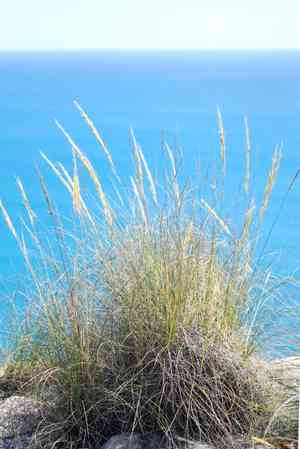
Esparto (Stipa tenacissima)
Also known as: Esparto grass
Stipa tenacissima, commonly known as esparto, esparto grass, halfah grass, or needle grass, is a perennial grass native to northwestern Africa and the southern Iberian Peninsula.
In This Article
Attributes of Esparto
Lifespan
Perennial
Plant Type
Grass
Plant Height
1.2 m to 1.8 m
Spread
30 cm to 60 cm
Leaf Color
Green Gray Silver
Flower Size
2.5 cm to 8 cm
Flower Color
White Green Cream Brown Silver
Images of Esparto
Quickly Identify Esparto
1
Dense tufts up to 3.5 ft (1.07 m) tall
2
Linear grey-green leaves, up to 2 feet (60 cm) long
3
Clumping growth habit, covering significant ground area
4
Silvery-brown flower spikelets in late spring to early summer
5
Stiff, erect stem with rough texture, 0.2-0.4 inches (0.5-1 cm) thick
Scientific Classification of Esparto
Phylum
Vascular plants
Class
Monocotyledons
Order
Poales
Family
Grass
Genus
Needle grass
Species
Esparto
Planting and Growing of Esparto
Care Difficulty
Easy
Watering Schedule
Every day
Sunlight Requirements
Full sun
Sunshine Duration
6-10 hours
Ideal Temperature
59-77℉
Soil Type
Potting Mix, Peat Mix
Soil pH
7-8.5
Fertilizer Type
Balanced
Pruning Season
Spring, Summer
Pruning Area
Branches, Leaves
Pruning Frequency
2 times a year
Repotting Season
Spring
Pot Type
Plastic, Ceramic
 How to Water Esparto?
Stipa tenacissima requires minimal water, as it is adapted to dry environments. Watering should ensure the soil is moist but not soggy. Around 100 ml per session is usually sufficient, allowing the top few inches of soil to dry out between waterings.
What are the symptoms of an underwatered Esparto?
›
What should I do if my Esparto is not getting enough water?
›
What are the symptoms of an overwatered Esparto?
›
How to save an overwatered Esparto?
›
 What Are the Sunlight Requirements for Esparto?
Full sun; optimal exposure to sunlight leads to enhanced growth, robust structure, and improved resistance to environmental stressors. Stipa tenacissima performs best when it gets the full sun, replicating its native sunny habitat conditions.
What is the best lighting for Stipa tenacissima?
›
How can I ensure Stipa tenacissima receives ideal sunlight?
›
What are the benefits of ideal lighting for this plant?
›
 What Is the Ideal Temperature Range for Esparto?
Stipa tenacissima thrives best in temperatures ranging from 59°F to 77°F. This range supports optimal growth and physiological processes, ensuring that the plant's metabolic activities occur efficiently. Maintaining this temperature range helps the plant sustain its natural habitat-like conditions, emulating the Mediterranean climates from where it originates.
 What Soil is Best for Esparto?
Stipa tenacissima thrives in well-drained soil because it allows roots to penetrate deeply, ensuring robust growth and resilience against drought. This type of soil prevents waterlogging which can lead to root rot. This grass prefers soils with low nutrient content. High fertility soils can lead to overgrowth and weak stems, while nutrient-poor conditions maintain its structural integrity. Stipa tenacissima is adapted to dry soil conditions that mimic its native arid environments. These conditions reduce the risk of fungal diseases and promote the development of a strong, deep-root system.
 How to Fertilize Esparto?
For Stipa tenacissima, the application of fertilizer should be cautious and minimal. Use a balanced, low-concentration liquid fertilizer solution, not exceeding 1 gram per liter of water. This ensures the plant gets sufficient nutrients without over-fertilization, which could harm its growth.
 How to Prune Esparto?
Begin pruning Stipa tenacissima by carefully inspecting the plant for any dead or damaged old foliage. Use sharp, clean pruning shears to gently remove these unwanted sections, making clean cuts to promote healthy regrowth. Aim for a spherical shape for aesthetic and structural balance, and trim the dense foliage back to allow light and air to circulate freely. This process not only maintains a neat appearance but also invigorates the plant, encouraging strong and lush new growth.
More About Pruning Techniques→
 How to Propagate Esparto plant?
1
Fill seed trays with a well-draining potting mix. It’s important to use a light and porous medium to avoid waterlogging, which can be detrimental to Stipa tenacissima seeds.
2
Sprinkle the seeds evenly over the surface of the soil in the seed trays, then gently press them into the soil. Do not cover the seeds with soil, as they need light to germinate.
3
To propagate by division, carefully lift a mature plant using a garden fork. Shake off excess soil and gently separate the clumps, ensuring each new section has a good portion of roots attached.
 How to Repot Esparto plant?
1
Repotting should be undertaken when you notice the plant's roots are visible through the drainage holes or circling the base. Another clear signal is if the plant's growth noticeably slows down because of being root-bound. Ideally, repotting should align with the moderate temperatures of spring or autumn to minimize shock.
2
Select a pot that is only slightly larger than the current one to prevent excessive water retention. A pot with ample drainage holes is critical to emulate Stipa tenacissima's native dry conditions and avoid root rot while providing stability for its delicate root system.
3
An optimal soil mix for Stipa tenacissima should mimic its natural environment by providing excellent drainage and aeration. A sandy or gritty soil composition is necessary to ensure the roots remain dry and to foster robust plant health and growth.



