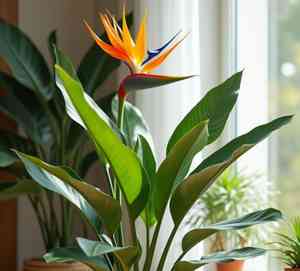
Bird of paradise (Strelitzia reginae)
Also known as: Mini craneflower, Queen's bird-of-paradise
The Bird of Paradise is a vibrant flowering plant originally from South Africa. It holds cultural significance there and is depicted on the nation's 50-cent coin. Despite not being native to the area, it has also been adopted as the official flower of Los Angeles. In their natural habitat, these flowers are pollinated by sunbirds.
Attributes of Bird of paradise
Images of Bird of paradise
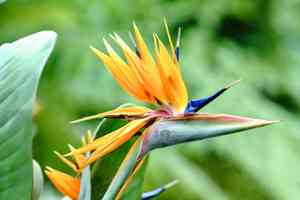
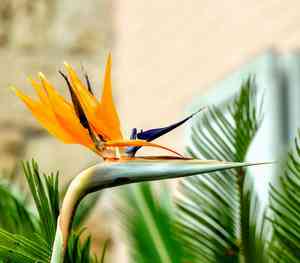
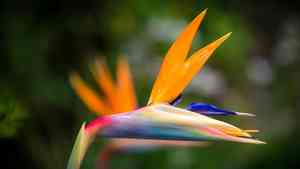

Quickly Identify Bird of paradise
Scientific Classification of Bird of paradise
Planting and Growing of Bird of paradise
 How to Water Bird of paradise?
 What Are the Sunlight Requirements for Bird of paradise?
 What Is the Ideal Temperature Range for Bird of paradise?
 What Soil is Best for Bird of paradise?
 How to Fertilize Bird of paradise?
 How to Prune Bird of paradise?
 How to Propagate Bird of paradise plant?
 How to Repot Bird of paradise plant?
Toxicity of Bird of paradise
Is Bird of paradise toxic to humans?
The Bird of Paradise plant is usually recognized as non-toxic; however, it can pose a risk if large quantities are consumed. Instances of toxicity tend to be mild to moderate, presenting symptoms such as abdominal cramps, nausea, vomiting, and diarrhea. It is worth noting that poisoning incidents may pose greater risks for children. The most toxic components of this plant are its fruits and seeds. The common usage of this plant as an indoor decorative element might contribute to the frequency of poisoning cases. Additionally, this plant can easily be confused with another more hazardous species, Poinciana gilliesii, due to their shared common name, Bird of Paradise.
Is Bird of paradise toxic to cat?
The seeds and fruits of the bird of paradise (Strelitzia reginae) possess moderate toxicity for cats. Additionally, the leaves and stems may also have mild toxic effects. Ingestion may lead to symptoms such as nausea, vomiting, diarrhea, and a lack of appetite. Generally, these cases are not severe enough to necessitate a visit to the veterinarian. However, it is strongly advised to avoid having bird of paradise in homes where cats are present.
Is Bird of paradise toxic to dog?
Bird of paradise plants can be mildly to moderately harmful to dogs. The seeds, which are located within elongated pods, are the most toxic and frequently consumed, although any section of this plant has the potential to trigger negative reactions. Typical symptoms include vomiting, diarrhea, lethargy, digestive upset, and difficulty breathing. Most specialists advise that you take your dog to a veterinarian if you suspect they have ingested any part of a bird of paradise, no matter how severe their reaction may be.



