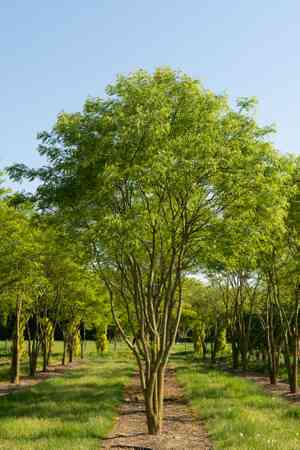
Japanese pagoda tree (Styphnolobium japonicum)
Also known as: Scholar tree
The Japanese pagoda tree (*Styphnolobium japonicum*), native to China and Korea, has been cultivated around Buddhist temples in Japan for centuries, despite not being native to the country. It was introduced to France in 1847 by Pierre d’Incarville, a Jesuit priest who traveled to China to offer guidance on cultivating European flowers for the emperor.
Attributes of Japanese pagoda tree
Images of Japanese pagoda tree
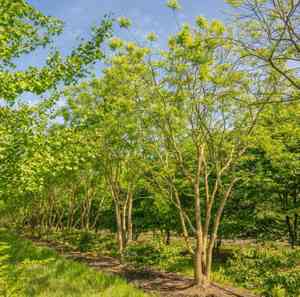
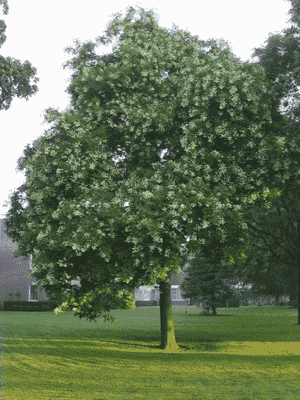
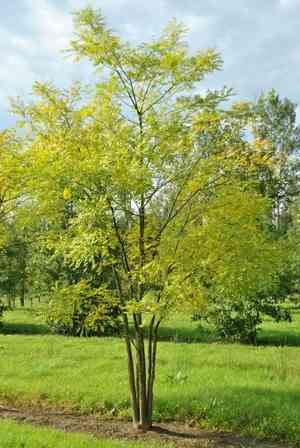
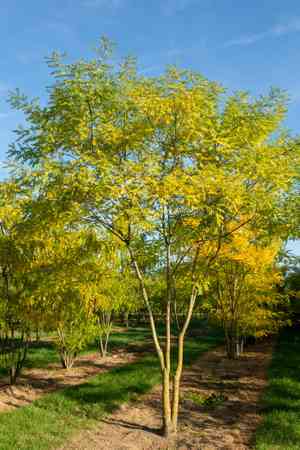
Quickly Identify Japanese pagoda tree
Scientific Classification of Japanese pagoda tree
Planting and Growing of Japanese pagoda tree
 How to Water Japanese pagoda tree?
 What Are the Sunlight Requirements for Japanese pagoda tree?
 What Is the Ideal Temperature Range for Japanese pagoda tree?
 What Soil is Best for Japanese pagoda tree?
 How to Fertilize Japanese pagoda tree?
 How to Prune Japanese pagoda tree?
 How to Propagate Japanese pagoda tree plant?
 How to Repot Japanese pagoda tree plant?
Toxicity of Japanese pagoda tree
Is Japanese pagoda tree toxic to humans?
The Japanese pagoda tree presents a potential toxic hazard if ingested by humans. Although the effects are generally mild, they can lead to a coma in severe cases. The adverse reactions are likely attributed to the alkaloids found within the fruit. Symptoms resulting from the consumption of these fruits may encompass vomiting, diarrhea, hallucinations, and delirium, with the more critical symptoms including a coma. Given their popularity in parks and along streets as decorative trees, the fallen fruits may be unknowingly collected and consumed by children, who may not be aware of the associated toxicity.
Is Japanese pagoda tree toxic to cat?
The Japanese pagoda tree presents a moderate toxicity risk to felines. Should a cat ingest the seeds of the Japanese pagoda tree, it could suffer physical distress or exhibit signs of illness, as these are the harmful components of the plant. Although we cannot identify the specific toxic substances present, it is essential to observe your cat for any negative reactions upon exposure to the seeds. Consuming these seeds may result in various symptoms. To protect their health, it is vital to obtain prompt veterinary assistance if you suspect your cat has been poisoned by the Japanese pagoda tree.
Is Japanese pagoda tree toxic to dog?
The Japanese pagoda tree presents a moderate toxicity risk to dogs. Dogs can become poisoned primarily through the consumption of this plant, particularly its seeds. Once ingested, a dog may show a range of symptoms indicating poisoning, which can include gastrointestinal distress, vomiting, diarrhea, lethargy, or more severe manifestations depending on the quantity consumed. Therefore, it is essential for dog owners to vigilantly supervise their pets and restrict their access to the Japanese pagoda tree, especially its seeds. If a dog does ingest any part of the Japanese pagoda tree, it is vital to seek immediate veterinary assistance to ensure timely and appropriate care.



