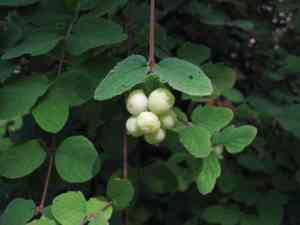
Creeping Snowberry(Symphoricarpos mollis)

Creeping Snowberry (Symphoricarpos mollis)

Also known as: Mountain Snowberry, Southern California Snowberry, Spreading Snowberry, Sharp Leaf Snowberry

Creeping Snowberry (Symphoricarpos mollis), native to western North America, is generally regarded as edible. However, its berries contain saponins, compounds that impart a soapy taste. These berries typically ripen in late summer.

Attributes of Creeping Snowberry

Lifespan
Perennial
Plant Type
Vine, Shrub
Plant Height
46 cm
Spread
60 cm to 1.5 m
Leaf Color
Green Blue
Flower Size
2.5 cm
Flower Color
Pink

PlantJoy - Identify plants with a snap

Identify and diagnose plants, get toxicity alerts, and explore safety guides for all types of fungi.

Try for Free

Images of Creeping Snowberry

Creeping Snowberry(Symphoricarpos mollis)

Quickly Identify Creeping Snowberry

1
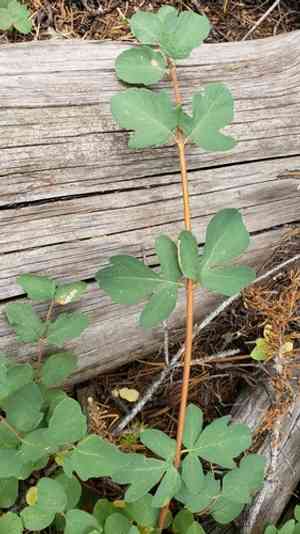
Deciduous sub-shrub, 1 foot (30 cm) tall, spreads via rhizomes forming 3-4 feet wide patches.
2
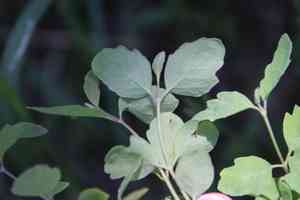
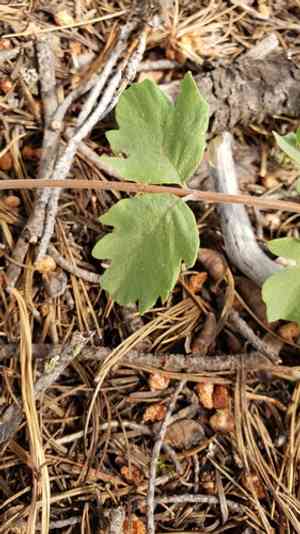
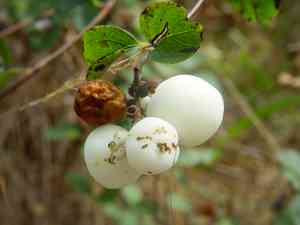
Soft, rounded, light green leaves; reddish stems; pink flowers in late spring; white berries in summer.
3
Clusters of pink flowers and globular white berries distinguish the plant in spring and summer.
4
Saponins in berries give them a soap-like taste, acting as a natural deterrent to consumption.

Scientific Classification of Creeping Snowberry

Phylum
Vascular plants
Class
Dicotyledons
Order
Dipsacales
Family
Honeysuckle
Genus
Snowberry
Species
Creeping Snowberry

Planting and Growing of Creeping Snowberry

Care Difficulty
Easy
Watering Schedule
Every 2 days
Sunlight Requirements
Partial sun
Sunshine Duration
4-8 hours
Ideal Temperature
60-75℉
Soil Type
Potting Mix, Peat Mix
Soil pH
6.5-7.5
Fertilizer Type
Balanced
Pruning Season
Spring, Summer
Pruning Area
Branches, Leaves
Pruning Frequency
2 times a year
Repotting Season
Spring
Pot Type
Plastic, Ceramic

water icon How to Water Creeping Snowberry?

Symphoricarpos mollis prefers moderate watering, ensuring the soil remains lightly moist but not waterlogged. Aim to provide approximately 500 milliliters of water per session, making sure the soil can drain effectively to prevent root rot.
What are the symptoms of an underwatered Creeping Snowberry?
What should I do if my Creeping Snowberry is not getting enough water?
What are the symptoms of an overwatered Creeping Snowberry?
How to save an overwatered Creeping Snowberry?

sunlight icon What Are the Sunlight Requirements for Creeping Snowberry?

Sunlight Requirements: Partial sun, Full shade
Duration of light: 2 to 4 hours daily
Symphoricarpos mollis thrives under partial sun conditions, ideally with morning sun and afternoon shade. This light balance supports consistent growth and berry production, enhancing both beauty and vitality.
What is the optimal light condition?
How can one achieve the ideal lighting condition?
What benefits do ideal lighting conditions bring?
More About Sunlight Requirements Techniques

temperature icon What Is the Ideal Temperature Range for Creeping Snowberry?

Ideal Temperature: 60 ~ 75℉
For optimal growth and health, Symphoricarpos mollis prefers temperatures between 60°F and 75°F. This range ensures that the plant's physiological processes function efficiently, promoting robust growth and vibrant foliage. Maintaining this range allows the plant to thrive, minimizing stress and susceptibility to diseases.

soil icon What Soil is Best for Creeping Snowberry?

Soil type: Sandy loam, Loam
Soil PH: 6.5 ~ 7.5
Symphoricarpos mollis thrives in well-draining soil, which prevents root rot by allowing excess water to flow through easily. This type of soil ensures your plant has access to nutrients without the risk of drowning its roots. It's crucial for maintaining healthy and vigorous growth. While this plant isn't incredibly demanding, it does benefit from soil with moderate nutrient content. This ensures a steady supply of essential elements like nitrogen, phosphorus, and potassium, promoting lush foliage and abundant berry production. The presence of air spaces within the soil allows roots to access oxygen necessary for respiration. Well-aerated soils prevent compaction, helping Symphoricarpos mollis to establish strong root systems and enhance its overall resilience.

fertilize icon How to Fertilize Creeping Snowberry?

Fertilizer type: Balanced
For Symphoricarpos mollis, use a balanced fertilizer at half the recommended strength for houseplants. Apply approximately 1 tablespoon per square foot for granular fertilizers, ensuring even coverage to avoid root burn.

prune icon How to Prune Creeping Snowberry?

Pruning Time: Spring, Autumn
Start by assessing the plant's structure in early spring, identifying any dead or damaged branches for removal. Utilize sharp, clean pruning shears to make cuts at a 45-degree angle just above bud nodes to promote new growth. In early autumn, a lighter trim is advisable to maintain shape and encourage robust berry production. More About Pruning Techniques

propagate icon How to Propagate Creeping Snowberry plant?

Propagate Time: Early spring, Late summer
1
Collect mature seeds in autumn, then store them in cool conditions until early spring. Before sowing, soak the seeds overnight to break dormancy and encourage germination.
2
In late summer, choose healthy stems and cut 4-6 inch pieces. Strip the leaves from the bottom half and dip the ends in rooting hormone to promote root development.
3
In early spring, dig up the plant and carefully separate its sections. Replant them in suitable soil, ensuring each has sufficient roots and shoots for healthy growth.

repot icon How to Repot Creeping Snowberry plant?

Repotting frequency: Once every 2 years
1
Repotting Symphoricarpos mollis should be considered when the roots start to outgrow the current pot, often noticeable when roots emerge from the drainage holes or the plant shows signs of restricted growth. Early spring, just as growth begins, or autumn, after flowering, are ideal times to repot. Catching it post-bloom allows the plant to establish roots in the new medium before rapid winter dormancy.
2
Choose a pot that is one size larger than the current one, with ample drainage holes. The pot should offer enough space for root expansion without excess soil that may retain water and lead to root rot. Terracotta pots are ideal as they allow moisture to evaporate, aiding in preventing overwatering issues.
3
Opt for well-draining loamy soil, rich in organic matter, which simulates the plant’s natural habitat. Such soil offers a balanced nutrient profile and sufficient aeration, essential for healthy root growth. Mixing in perlite or coarse sand can enhance drainage, crucial to prevent waterlogging.

PlantJoy - Identify plants with a snap

Find the best spots for them to optimize their health, simply using your phone.

Try for Free

Toxicity of Creeping Snowberry

Is Creeping Snowberry toxic to humans?

The toxicity associated with creeping Snowberry arises from either ingestion or direct contact with the plant. When consumed in large quantities, it poses a significant danger and necessitates immediate medical intervention. Even smaller amounts can lead to symptoms like vomiting, which help mitigate the risks involved. Direct contact with the plant may provoke skin rashes or irritation in individuals with sensitive skin. The berries themselves are especially toxic. Creeping Snowberry is commonly grown in gardens and parks, making it a frequent hazard for children and unsuspecting adults who might mistake the fruits for safe edibles.

Identify toxic plants for your safety

Learn which plants are harmful to you and your pets, and make informed choices for a safer home!

Try for Free
WARNING
The judgment on toxicity and danger is for reference only. We DO NOT GUARANTEE any accuracy of such judgment. Therefore, you SHALL NOT rely on such judgment. It is IMPORTANT TO SEEK PROFESSIONAL ADVICE in advance when necessary.
More About Toxic Techniques