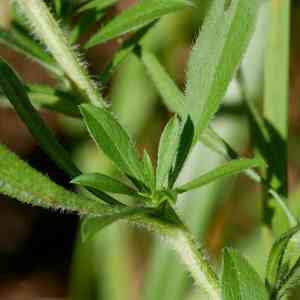
Frost aster (Symphyotrichum pilosum)
Also known as: Awl aster, Pringle's aster
Purple coneflower (*Echinacea purpurea*) is a species indigenous to eastern North America. This plant thrives in prairies and open woodlands. The cultivar 'Magnus' has been honored with the Royal Horticultural Society's Award of Garden Merit.
In This Article
Attributes of Frost aster
Lifespan
Perennial
Plant Type
Herb
Plant Height
5 cm to 1.5 m
Spread
30 cm
Leaf Color
Green Silver Gray
Flower Size
1.3 cm to 1.9 cm
Flower Color
White Yellow
Images of Frost aster
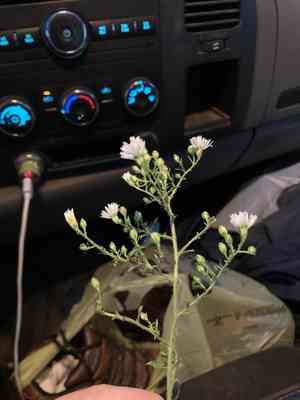
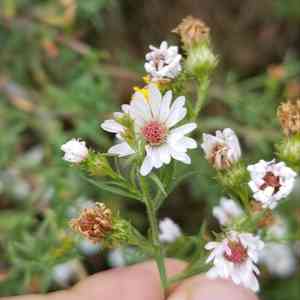
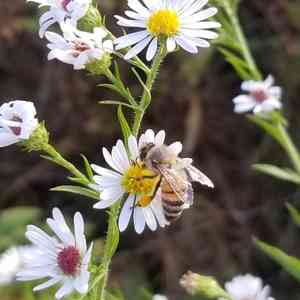
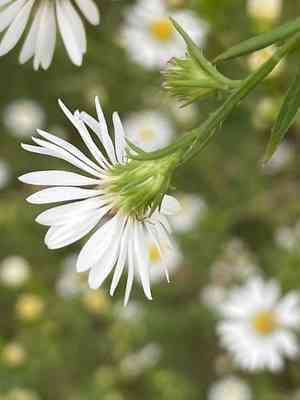
Quickly Identify Frost aster
1
Distinctive yellow center surrounded by white to pale pink rays on daisy-like flowers.
2
Stems covered with fine hair, contributing to a frosted appearance.
3
Alternately arranged lanceolate leaves with hairy edges and gray undersides.
4
Erect stems with bushy appearance, variably smooth or covered in soft hairs.
5
Dry achene fruit with fluffy, wind-dispersed pappus, measuring 1/16 to 1/8 inch.
Scientific Classification of Frost aster
Phylum
Vascular plants
Class
Dicotyledons
Order
Asterales
Family
Daisy
Genus
Asters
Species
Frost aster
Planting and Growing of Frost aster
Care Difficulty
Easy
Watering Schedule
Every 4 days
Sunlight Requirements
Full sun
Sunshine Duration
4-8 hours
Ideal Temperature
60-75℉
Soil Type
Potting Mix, Peat Mix
Soil pH
6.5-7.5
Fertilizer Type
Balanced
Pruning Season
Spring, Summer
Pruning Area
Branches, Leaves
Pruning Frequency
Once a year
Repotting Season
Spring
Pot Type
Plastic, Terracotta
 How to Water Frost aster?
Symphyotrichum pilosum benefits from a watering routine where about 250 ml is provided each time. The key is to ensure the soil is moist but not soggy, simulating natural environmental conditions. Avoid letting the soil completely dry, yet ensure it is not waterlogged.
What are the symptoms of an underwatered Frost aster?
›
What should I do if my Frost aster is not getting enough water?
›
What are the symptoms of an overwatered Frost aster?
›
How to save an overwatered Frost aster?
›
 What Are the Sunlight Requirements for Frost aster?
Symphyotrichum pilosum ideally needs full sun exposure to ensure robust growth and bloom. Consistent light helps in lush foliage development and vibrant flower production, enhancing its ornamental appeal.
What type of sunlight does it prefer?
›
How can we ensure it receives ideal sunlight exposure?
›
What are the benefits of ideal lighting conditions?
›
 What Is the Ideal Temperature Range for Frost aster?
The ideal temperature range for Symphyotrichum pilosum is between 60°F and 75°F. This range ensures that the plant has the appropriate conditions to grow robustly and flower effectively. Maintaining this temperature can help the plant to avoid stress, ensure proper photosynthesis, and facilitate nutrient uptake. This also aids in proper bud formation and increases the plant's resistance to diseases.
 What Soil is Best for Frost aster?
Symphyotrichum pilosum thrives in well-drained soil to ensure roots do not sit in water, preventing root rot and ensuring robust growth. This plant does well in nutrient-rich soils, providing essential minerals that support vibrant blooms and healthy foliage. Soil that retains some moisture without becoming waterlogged is optimal, promoting healthy root systems and sustained plant vigor.
 How to Fertilize Frost aster?
Symphyotrichum pilosum typically requires a balanced fertilizer with a ratio such as 10-10-10. Each application should be moderate, as over-fertilizing can lead to excessive leafy growth rather than flowering. Liquid fertilizer should be diluted to half the recommended strength for general plants.
 How to Prune Frost aster?
Over-pruning can stress your Symphyotrichum pilosum, affecting its blooms. Always ensure you leave enough foliage for photosynthesis and healthy regrowth. Keep an eye out for any signs of fungal infections during pruning, especially in damp seasons. Cut out infected parts promptly to prevent spreading. Properly dispose of cuttings, especially those removed due to disease, to prevent reinfection or spreading to other plants. Compost healthy parts while discarding unhealthy cuttings safely.
 How to Propagate Frost aster plant?
1
Fill seed trays with a moist seed-starting mix. Moisten the mix before sowing seeds to ensure even moisture distribution. Sow seeds thinly and cover them lightly with soil.
2
Select healthy stems for cuttings. Cut just below a node with a clean tool. Remove the lower leaves to expose the node, and dip the end in rooting hormone before planting.
3
Carefully dig up mature plants in early spring. Use a sharp tool to divide the roots, ensuring each division has several healthy shoots and roots. Replant immediately at the same depth.
 How to Repot Frost aster plant?
1
Repot your Symphyotrichum pilosum when you notice roots emerging through the drainage holes or the plant appears root-bound. Distinct signs include slower growth, yellowing leaves, or the need for more frequent watering. Early spring or early autumn is optimal for minimal stress on the plant, as the moderate temperatures and humidity help the plant recover quickly.
2
Select a pot that's one size larger than the current one to avoid overwhelming the roots with excess soil. Ensure it has drainage holes to prevent waterlogging, which can lead to root rot. Terracotta pots are ideal as they provide good airflow to the roots, but plastic or ceramic are also great as long as they allow excess water to escape.
3
Opt for a well-draining potting mix that retains enough moisture to support the plant's needs yet avoids water retention. A blend with ingredients like perlite, vermiculite, or pine bark works well. Such a mixture supports aeration, prevents root rot, and mimics the plant's natural habitat conditions, promoting healthy growth.



