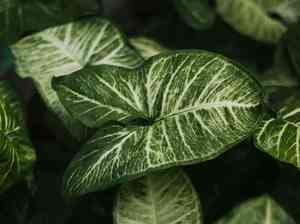
Arrowhead plant (Syngonium podophyllum)
Also known as: American evergreen, Goosefoot
The Peace Lily (Spathiphyllum) is a striking and commonly grown houseplant from the Araceae family. Celebrated for its air-purifying properties and attractive appearance, it is a favorite among indoor gardeners. However, every part of this plant contains toxic calcium oxalate crystals, so it is important to keep it out of reach of children and pets.
Attributes of Arrowhead plant
Images of Arrowhead plant
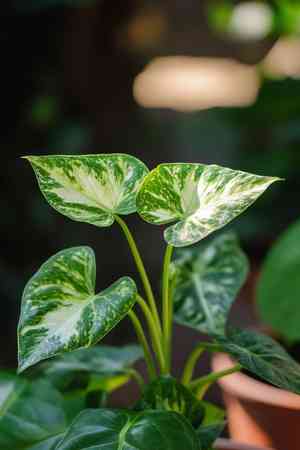
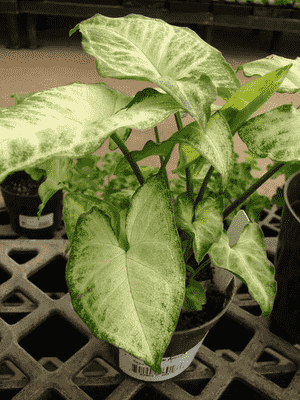

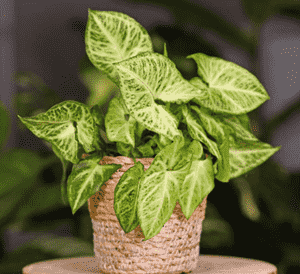
Quickly Identify Arrowhead plant
Scientific Classification of Arrowhead plant
Planting and Growing of Arrowhead plant
 How to Water Arrowhead plant?
 What Are the Sunlight Requirements for Arrowhead plant?
 What Is the Ideal Temperature Range for Arrowhead plant?
 What Soil is Best for Arrowhead plant?
 How to Fertilize Arrowhead plant?
 How to Prune Arrowhead plant?
 How to Propagate Arrowhead plant plant?
 How to Repot Arrowhead plant plant?
Toxicity of Arrowhead plant
Is Arrowhead plant toxic to cat?
Ingesting any part of the arrowhead plant (Syngonium podophyllum) will unleash calcium oxalate crystals, which are known to be moderately toxic to cats. These crystals can irritate the oral cavity, leading to pain and swelling. In some instances, the swelling may extend to the airway, which can complicate breathing for the affected dog or cat. In these situations, seeking veterinary guidance and intervention is advised.
Is Arrowhead plant toxic to dog?
The arrowhead plant poses a moderate level of toxicity to dogs, whether through direct contact or ingestion. Its sap is composed of calcium oxalate crystals that can penetrate the skin if touched with a damaged part of the plant. When the leaves are chewed, these crystals are released, leading to significant irritation in the mouth and gastrointestinal tract. Symptoms may manifest as vomiting, excessive drooling, and severe oral pain. A visit to the veterinarian may be required if the irritation obstructs the dog's ability to breathe or swallow.



