
Feverfew (Tanacetum parthenium)
Also known as: Featherfoil
Feverfew (Tanacetum parthenium) has a rich history in traditional and folk medicine, addressing various health concerns. Originating from Eurasia, it is also valued as an ornamental plant.
**Traditional Uses:**
1. **Migraine Relief**: Historically, feverfew has been used to lessen the occurrence and intensity of migraines.
2. **Anti-inflammatory**: It has been employed for its anti-inflammatory effects, particularly in treating arthritis and other inflammatory conditions.
3. **Fever Management**: True to its name, feverfew has been used to help reduce fevers.
4. **Menstrual Symptom Relief**: Known for alleviating menstrual cramps and related symptoms.
**Ornamental Uses:**
1. **Garden Aesthetics**: The plant is appreciated for its charming, daisy-like flowers and aromatic leaves, enhancing garden beauty.
2. **Insect Deterrent**: It serves as a companion plant, repelling pests and protecting other garden plants.
3. **Floral Arrangements**: Feverfew’s long-lasting blooms are perfect for fresh and dried floral arrangements, adding both visual and aromatic appeal.
4. **Wildlife Attraction**: Its flowers are known to attract butterflies, bees, and hummingbirds, contributing to a lively garden ecosystem.
These uses highlight feverfew's importance in both herbal practices and ornamental gardening.
Attributes of Feverfew
Images of Feverfew
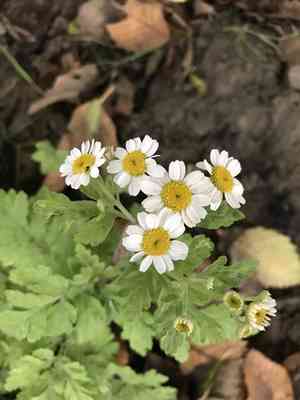
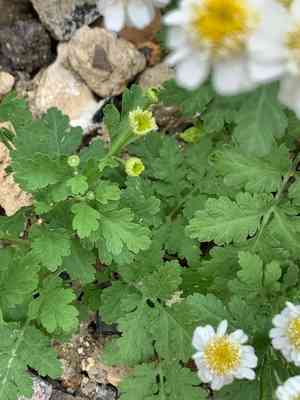
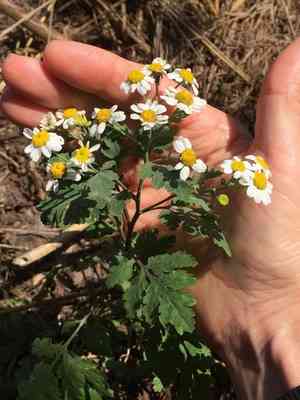
Quickly Identify Feverfew
Scientific Classification of Feverfew
Planting and Growing of Feverfew
 How to Water Feverfew?
 What Are the Sunlight Requirements for Feverfew?
 What Is the Ideal Temperature Range for Feverfew?
 What Soil is Best for Feverfew?
 How to Fertilize Feverfew?
 How to Prune Feverfew?
 How to Propagate Feverfew plant?
 How to Repot Feverfew plant?
Toxicity of Feverfew
Is Feverfew toxic to cat?
Feverfew presents a slight toxicity risk for felines. Each component of the plant can lead to negative reactions. If cats consume excessive amounts of feverfew, they may become poisoned, though they generally need to eat a significant quantity to face toxic consequences. Pet owners should closely monitor for any signs of physical discomfort, sickness, or pain, as these could indicate that a cat has ingested feverfew. In such situations, it is vital to respond swiftly, and obtaining immediate veterinary care is important to safeguard a cat's health and welfare.
Is Feverfew toxic to dog?
Feverfew is identified as having a mild toxicity level for dogs. Poisoning generally occurs when a dog ingests a large quantity of the plant. Every part of feverfew—from leaves and stems to flowers and roots—is regarded as toxic, meaning that ingestion of any of these components can jeopardize a dog’s health. The symptoms of poisoning can differ but may include gastrointestinal issues such as vomiting and diarrhea, skin irritation from contact dermatitis, or other signs of distress in dogs. It is essential for dog owners to supervise their pets and restrict access to feverfew, particularly if the dog tends to nibble on plants. If a dog does happen to consume feverfew, seeking immediate veterinary attention is vital for adequate treatment and symptom management.



