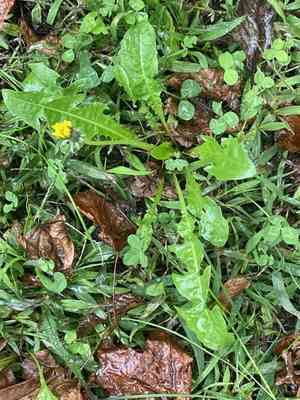
Taraxacum officinale (Taraxacum officinale)
Also known as: Common Dandelion, Lion's Teeth
Taraxacum officinale, commonly known as the dandelion, is a flowering plant in the family Asteraceae. It is native to Eurasia but has spread to many other places, where it is often considered a weed. The plant is known for its bright yellow flowers and puffball seed heads.
Attributes of Taraxacum officinale
Images of Taraxacum officinale
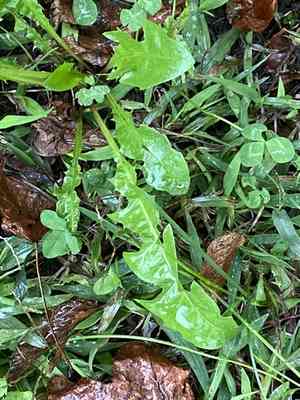
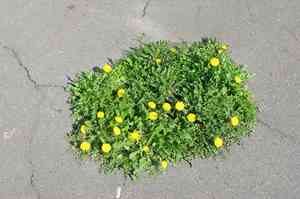
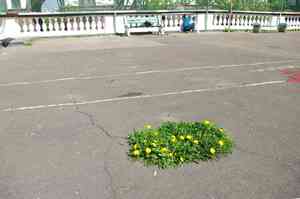
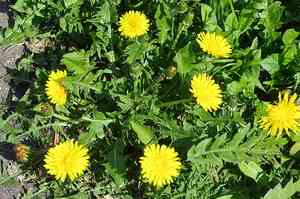
Quickly Identify Taraxacum officinale
Scientific Classification of Taraxacum officinale
Planting and Growing of Taraxacum officinale
 How to Water Taraxacum officinale?
 What Are the Sunlight Requirements for Taraxacum officinale?
 What Is the Ideal Temperature Range for Taraxacum officinale?
 What Soil is Best for Taraxacum officinale?
 How to Fertilize Taraxacum officinale?
 How to Prune Taraxacum officinale?
 How to Propagate Taraxacum officinale plant?
 How to Repot Taraxacum officinale plant?
Toxicity of Taraxacum officinale
Is Taraxacum officinale toxic to humans?
The common dandelion is not inherently toxic by itself; rather, it poses risks when it interacts with our immune systems, specific medications, and its surroundings. Firstly, numerous individuals are allergic to dandelions; their pollen can trigger respiratory problems, and consuming the plant may result in gastrointestinal distress, breathing difficulties, hives, and potentially anaphylactic shock. Secondly, dandelions can adversely affect various medications, including Metformin, insulin, diuretics, and others. Thirdly, and most alarmingly, common dandelions are remarkably resilient and can absorb and retain a wide array of heavy metals from contaminated soil within their tissues. This presents a risk to anyone who consumes them, as they may ingest the harmful substances the plant has accumulated. Heavy metal poisoning can inflict severe harm on the human body. Common symptoms encompass nausea, vomiting, abdominal discomfort, tingling sensations in the extremities, fatigue, confusion, and chills. Vigilance is advised with young children near dandelions; observe them for any symptoms should they ingest the plant.



