Yews (Taxus)(Taxus)

Yews (Taxus) (Taxus)

Also known as: Yew, Common Yew, English Yew

Yew trees, known for their slow growth, are coniferous plants thriving in both tropical and temperate regions globally. Historically, yew wood was prized, especially in Europe, for crafting longbows due to its strength and flexibility. In contemporary times, yews, with their rich evergreen leaves and striking red berries, are commonly utilized for decorative purposes in gardens and landscapes.

Attributes of Yews (Taxus)

Lifespan
Perennial
Plant Height
10 to 20 meters
Spread
4 to 8 meters
Leaf Color
Dark Green
Flower Size
N/A (Conifers typically do not have flowers)
Flower Color
N/A

PlantJoy - Identify plants with a snap

Identify and diagnose plants, get toxicity alerts, and explore safety guides for all types of fungi.

Try for Free

Images of Yews (Taxus)

Yews (Taxus)(Taxus)
Yews (Taxus)(Taxus)

Quickly Identify Yews (Taxus)

1
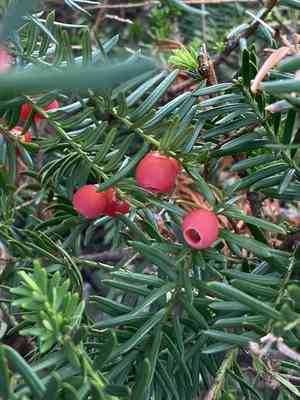
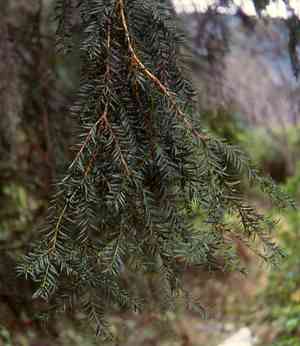
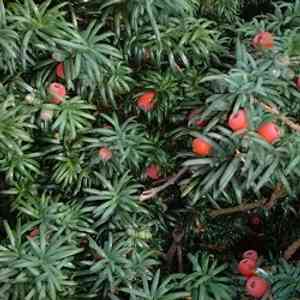
Taxus can be identified by their dark green, linear leaves which are arranged spirally on the stem but twisted at the base to lie in two flat ranks. They have small, red, berry-like arils containing a single seed.

Scientific Classification of Yews (Taxus)

Phylum
Coniferophyta
Class
Pinopsida
Order
Pinales
Family
Taxaceae
Genus
Taxus

Planting and Growing of Yews (Taxus)

Care Difficulty
Moderate
Watering Schedule
Every 2 days
Sunlight Requirements
Partial sun
Sunshine Duration
4-8 hours
Ideal Temperature
55-65℉
Soil Type
Potting Mix, Peat Mix
Soil pH
6-8
Fertilizer Type
Balanced
Pruning Season
Spring, Summer
Pruning Area
Branches, Leaves
Pruning Frequency
Once a year
Repotting Season
Spring
Pot Type
Plastic, Ceramic

water icon How to Water Yews (Taxus)?

For the illustrious Taxus, when you water, make sure to drench the soil to a depth of about an inch. This translates to roughly 500 ml for a small plant. It’s pivotal to never leave the soil perpetually soaked, as Taxus prefers well-drained environments. Always adjust the water quantity depending on how quickly the soil dries out.
What are the symptoms of an underwatered Yews (Taxus)?
What should I do if my Yews (Taxus) is not getting enough water?
What are the symptoms of an overwatered Yews (Taxus)?
How to save an overwatered Yews (Taxus)?

sunlight icon What Are the Sunlight Requirements for Yews (Taxus)?

Sunlight Requirements: Partial sun, Full shade
Duration of light: Four to six hours
Taxus plants thrive best under partial sunlight, ideally receiving four to six hours of filtered light daily. Ensuring this light exposure stimulates healthy needle development and growth while preventing overheating.
What is the best geographical orientation for planting Taxus?
Why does Taxus prefer partial sun or shade?
How can you ensure Taxus receives its ideal amount of sunlight?

temperature icon What Is the Ideal Temperature Range for Yews (Taxus)?

Ideal Temperature: 55 ~ 65℉
The ideal temperature range for Taxus is between 55°F and 65°F. This range supports optimal growth conditions by ensuring that cellular processes such as photosynthesis and respiration occur efficiently. Temperatures within this range also prevent stress-related issues and ensure that the plant maintains vibrant foliage and overall vitality.

soil icon What Soil is Best for Yews (Taxus)?

Soil type: Loam, Sandy loam, Clay soil, Acidic soil, Calcareous soil
Soil PH: 6 ~ 8
Taxus thrives in well-draining soils, which prevent waterlogging and root rot. This ensures that the roots have access to necessary oxygen, promoting strong and healthy growth. Having a nutrient-rich soil facilitates the optimal growth of Taxus. The presence of essential minerals and organic matter supports robust foliage and strengthens the plant's immune system. The addition of humus improves soil texture and nutrient retention, benefiting Taxus by maintaining moisture balance and providing continuous nourishment for steady growth.

fertilize icon How to Fertilize Yews (Taxus)?

Fertilizer type: Balanced
For Taxus, it's crucial to apply fertilizer sparingly to avoid damaging its roots. A moderate amount of 50 grams of a balanced 10-10-10 NPK fertilizer should be enough for each application. Make sure to distribute it evenly around the base.

prune icon How to Prune Yews (Taxus)?

Pruning Time: Spring, Summer, Autumn, Winter
Begin by inspecting the yew for any dead or diseased branches and remove them using sharp, clean pruning shears. Focus on shaping the yew by trimming the overgrown branches while maintaining a natural form. Always trim slightly above leaf buds to encourage new growth. For a hedge, start from the top and work downwards to maintain a consistent form. Consider a slight inward angle to the sides to allow sunlight to reach lower branches. For older yews showing sparse growth, rejuvenation pruning can invigorate the plant. In early spring, reduce about a third of the oldest branches to their base. It's crucial to perform this rejuvenation in phases over several years to prevent plant shock and encourage robust regrowth and vitality.

propagate icon How to Propagate Yews (Taxus) plant?

Propagate Time: Late spring, Early summer
1
Gather ripe seeds from the Taxus berries in late autumn. Ensure that the seeds are fully matured and not damaged as this impacts their viability.
2
Select healthy branches for cuttings, ideally about 8-10 inches long, during late spring. Ensure each cutting has several nodes and strip away the lower leaves to prevent decay.
3
In early summer, execute grafting by selecting a compatible rootstock. Make precise cuts and join scion wood to the rootstock. Secure them with tape to promote successful integration.

repot icon How to Repot Yews (Taxus) plant?

Repotting frequency: Every 2-3 years
1
Taxus plants show they need repotting when growth stagnates despite regular care. Roots becoming visible through the drainage holes or circling the base also signal it's repotting time. Ideally, repot during spring or autumn for the best root establishment and growth.
2
Select a pot slightly larger than the current one, ensuring it has good drainage. This prevents waterlogging and root rot. Using terracotta pots allows the soil to dry evenly and also adds sturdiness to support the plant's structure.
3
Use well-draining, slightly acidic soil to mimic Taxus's natural habitat. This prevents water accumulation, encourages healthy root development, and supports the plant’s long-term health and vigor, ensuring it thrives post-repotting.

PlantJoy - Identify plants with a snap

Find the best spots for them to optimize their health, simply using your phone.

Try for Free

Toxicity of Yews (Taxus)

Is Yews (Taxus) toxic to humans?

Yews are extremely poisonous to every species of animal, encompassing humans, dogs, cats, livestock, and poultry. Every section of the plant has the potential to be lethal when ingested in significant quantities.

Is Yews (Taxus) toxic to cat?

Yews are highly toxic, and it is crucial to keep cats away from them. Every part of the plant harbors the toxin taxine, which can lead to severe muscle tremors, breathing difficulties, heart failure, and potentially death. This constitutes a critical emergency, and if you have any reason to believe your cat has ingested any part of this plant, you must seek veterinary assistance without delay.

Is Yews (Taxus) toxic to dog?

Every species belonging to the genus Taxus, known as yews, poses a significant toxicity risk to dogs. If you suspect your dog has ingested any part of the plant, immediate veterinary attention is crucial. Taxine alkaloids are present in all parts of the yew, and even minimal ingestion can be perilous; the seeds and leaves have the highest concentrations of these toxins. Signs of taxine poisoning can include vomiting, diarrhea, enlarged pupils, lethargy, respiratory distress, and in severe instances, it may lead to coma or death.


Identify toxic plants for your safety

Learn which plants are harmful to you and your pets, and make informed choices for a safer home!

Try for Free
WARNING
The judgment on toxicity and danger is for reference only. We DO NOT GUARANTEE any accuracy of such judgment. Therefore, you SHALL NOT rely on such judgment. It is IMPORTANT TO SEEK PROFESSIONAL ADVICE in advance when necessary.
More About Toxic Techniques